Former Vice President Ties Pump Prices to Foreign Policy Decisions
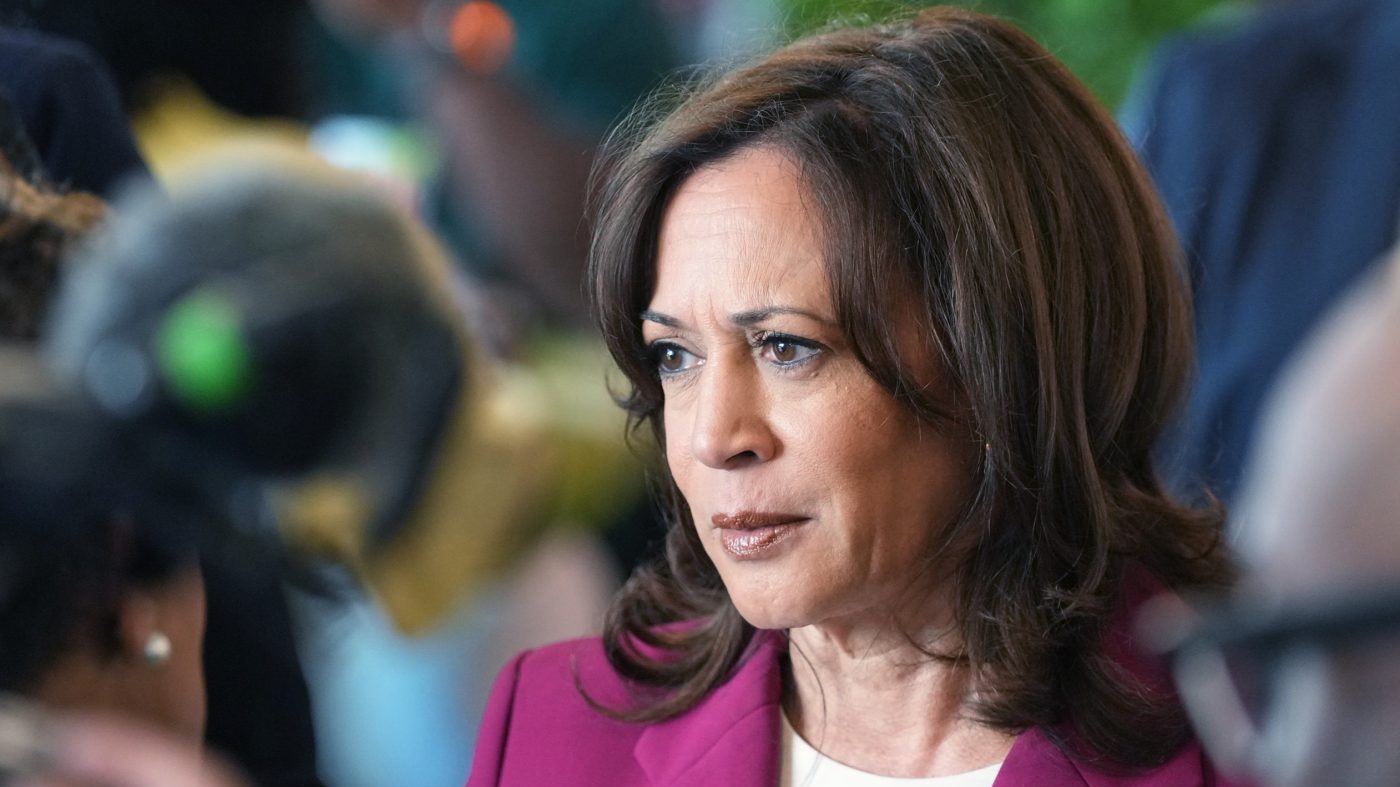
Kamala Harris launched a direct political attack on President Donald Trump Wednesday, blaming his administration's foreign policy for driving up gasoline prices across the United States. Speaking outside a Charlotte gas station, the former vice president characterized the ongoing U.S. involvement in Middle East hostilities as a "war of choice" with direct economic consequences for American consumers.
"Every time a family fills their tank, they're paying fifteen dollars more because of decisions made in Washington," Harris stated in remarks shared on social media. She warned that the increased transportation costs would ripple through the economy, affecting prices for all goods shipped by truck.
Market Volatility Follows Strait of Hormuz Tensions
The national average for regular gasoline stood at $4.09 per gallon Thursday, according to AAA tracking. This represents only a slight decline from recent peaks, with analysts pointing to continued instability in global oil markets. The conflict with Iran and subsequent disruptions to shipping through the critical Strait of Hormuz have created sustained pressure on energy prices.
While Brent crude oil futures retreated below $100 per barrel following Trump's announcement of a temporary ceasefire with Iran last week, market observers remain cautious. Patrick De Haan, head of petroleum analysis at GasBuddy, warned in a recent analysis that drivers should "prepare for another round of price increases" unless normal shipping traffic resumes through the Persian Gulf choke point.
"The move toward a full blockade of the Strait of Hormuz is compounding global supply concerns," De Haan wrote, noting that gasoline and diesel prices are likely to climb again until the situation stabilizes.
Political Timing and Policy Criticism
Harris's criticism comes as Democrats seek to highlight economic concerns ahead of the November elections, with affordability remaining a top issue for voters. The former vice president, who lost to Trump in the 2024 presidential race, has used recent public appearances to sharply critique the administration's approach to international crises.
During her Charlotte visit, Harris accused Trump of prioritizing his "political and personal interest" over the needs of working Americans. Her comments align with broader Democratic efforts to challenge the administration's foreign policy authority, including recent legislative maneuvers. Notably, House Republicans blocked a war powers resolution that would have curtailed presidential authority regarding the Iran conflict.
Treasury Secretary Scott Bessent offered a more optimistic outlook Wednesday, suggesting gasoline could fall below $3 per gallon by late summer if shipping lanes reopen. "When the straits are open, they can start pumping again within one week," Bessent told reporters after meetings with Middle Eastern finance ministers.
Broader Critique of Leadership
Harris's remarks extended beyond economic policy to question the administration's moral direction. She condemned Trump's recent verbal attacks on religious figures and his dissemination of artificially generated imagery depicting himself in messianic terms as "blatantly offensive on every level."
"They're suggesting that as president and vice president of the United States, they don't have a responsibility in terms of moral leadership," Harris told local media. This criticism echoes recent political divisions, as seen when Elise Stefanik defended Trump's criticism of Pope Leo XIV, framing it as consistent with a particular leadership approach.
The former vice president's tour promotes her new book while fueling speculation about her political future, potentially including another presidential bid in 2028. Her direct linkage of foreign policy, economic pain, and leadership values represents a coordinated political argument as the administration continues to navigate complex international challenges, including recent ceasefire announcements in the region.