President Claims Diplomatic Breakthrough in Long-Standing Conflict
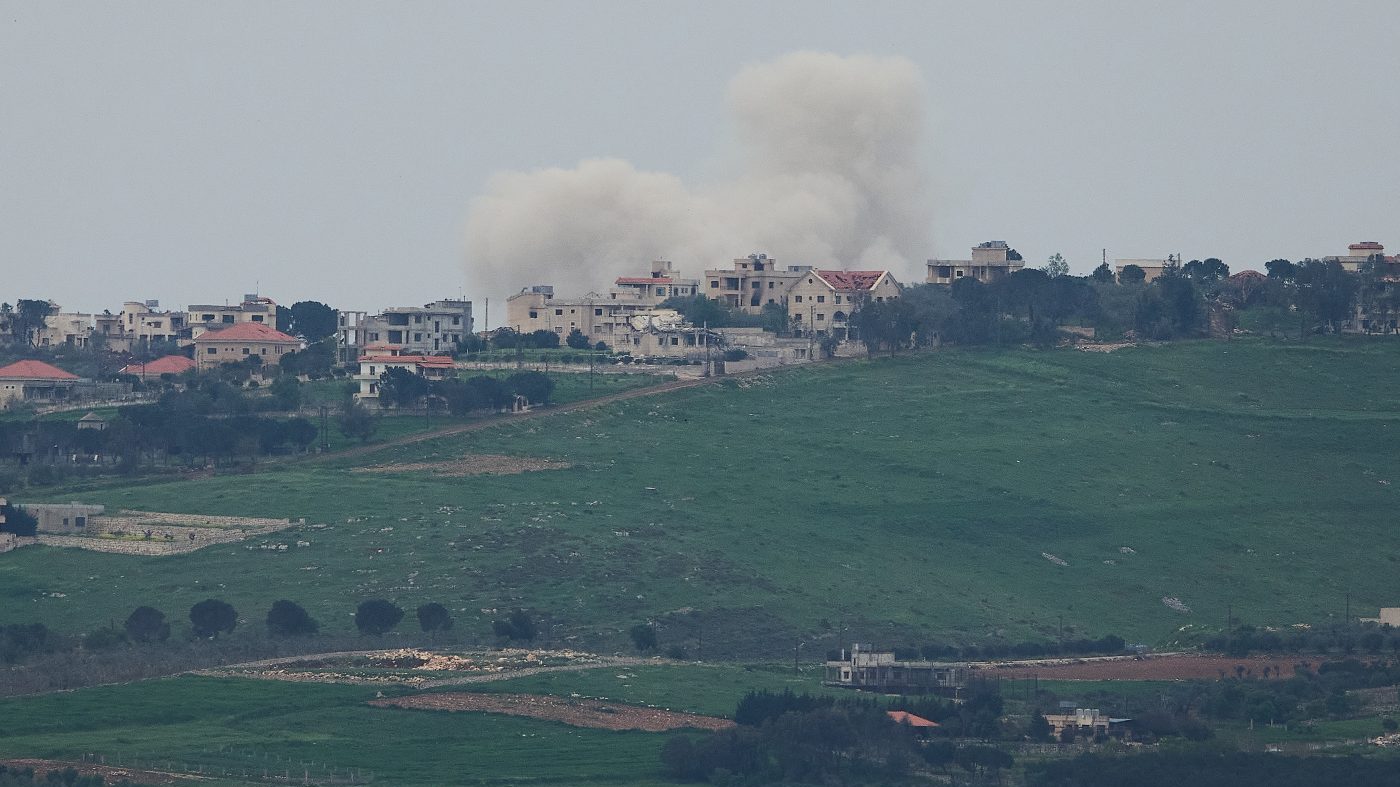
President Donald Trump announced Thursday that Israel and Lebanon have agreed to implement a 10-day ceasefire, beginning at 5 p.m. Eastern Time. The declaration came via the president's Truth Social platform, where he stated he facilitated the agreement through direct conversations with Israeli Prime Minister Benjamin Netanyahu and Lebanese President Joseph Aoun.
Trump characterized the discussions as "excellent" and framed the temporary truce as a preliminary step toward a broader peace agreement between the two nations, which have technically remained in a state of war for decades. The president wrote that both leaders agreed to the ceasefire "in order to achieve PEACE between their Countries."
Administration Mobilizes for Broader Negotiations
Following the announcement, Trump stated he has directed Vice President J.D. Vance, Secretary of State Marco Rubio, and Joint Chiefs of Staff Chairman General Dan Caine to work with both nations "to achieve a Lasting PEACE." This directive suggests the administration views the ceasefire as an opening for more substantive negotiations rather than an isolated event.
The president's statement included a characteristically bold claim about his foreign policy record: "It has been my Honor to solve 9 Wars across the World, and this will be my 10th, so let's, GET IT DONE!" This assertion of personal diplomatic achievement comes amid ongoing scrutiny of the administration's foreign policy approach, particularly regarding congressional challenges to presidential war powers in the Iran conflict.
White House Talks Proposed Amid Historical Context
In a subsequent post, Trump revealed plans to invite Netanyahu and Aoun to the White House for what he described as "the first meaningful talks between Israel and Lebanon since 1983." No specific date was provided for the proposed summit. The president expressed optimism about the prospects, writing, "Both sides want to see PEACE, and I believe that will happen, quickly!"
This announcement follows preparatory diplomatic work, including a Tuesday meeting between Secretary of State Rubio and the ambassadors from both countries. The administration's push for Middle East diplomacy occurs alongside significant defense budget proposals and domestic spending cuts that reflect the president's strategic priorities.
Regional Tensions and Verification Challenges
The ceasefire announcement arrives during a period of heightened regional instability, with the administration simultaneously managing multiple international crises. Trump's personal mediation claim raises questions about traditional diplomatic channels and verification processes, especially given previous Lebanese statements rejecting direct negotiations with Israel.
Observers will monitor whether the temporary truce holds and leads to the promised White House negotiations. The administration's ability to sustain this diplomatic initiative may depend on managing competing priorities, including the political fallout from other international engagements where officials have reportedly sought accountability for policy setbacks.
The president's announcement represents a significant public commitment to Middle East diplomacy, though details about enforcement mechanisms, monitoring arrangements, and the specific terms leading to the ceasefire remain unspecified. The coming days will test both the durability of the truce and the administration's capacity to translate temporary calm into sustained political dialogue.