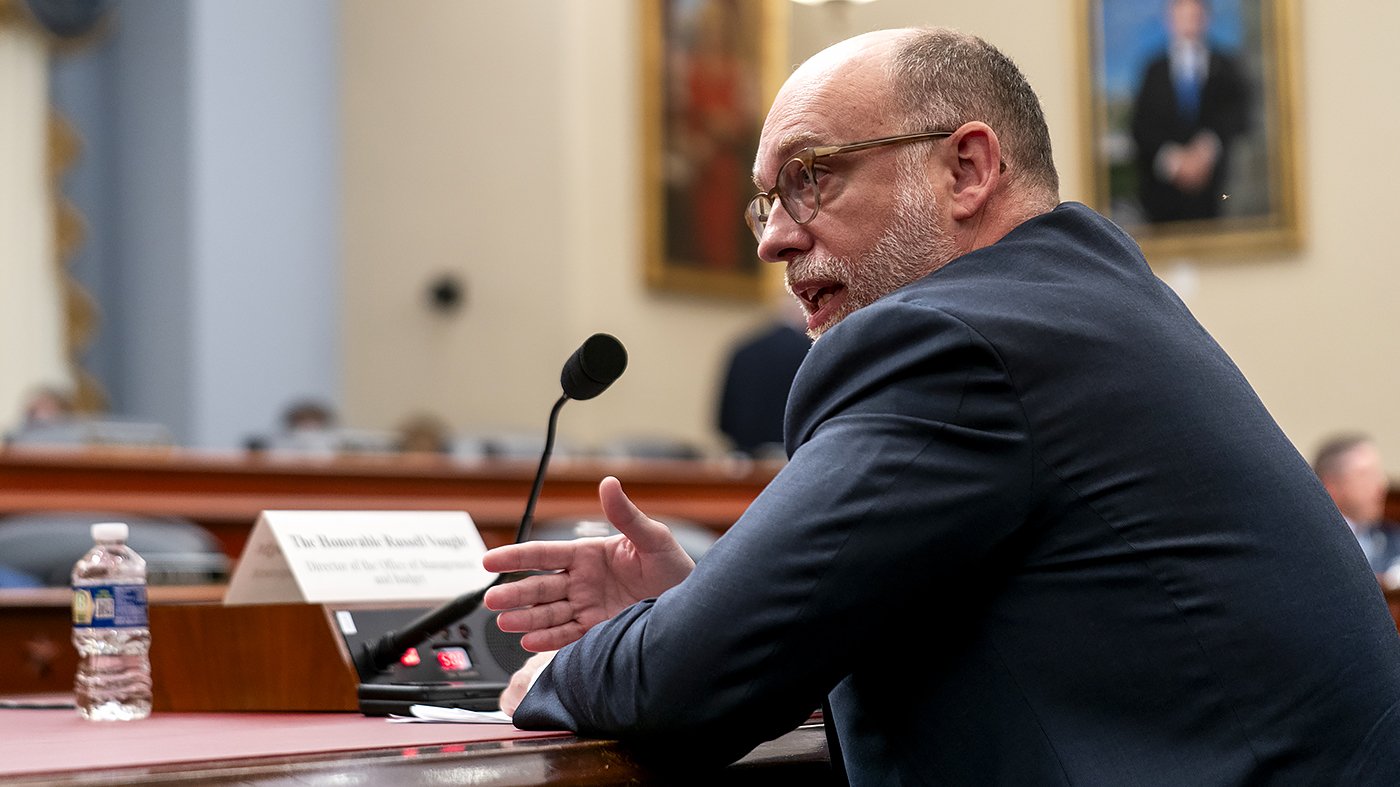
Office of Management and Budget Director Russ Vought is set to appear before the Senate Budget Committee on Thursday to justify the White House's fiscal 2027 budget proposal from President Trump. The hearing follows a contentious session before House lawmakers where Vought clashed with Democratic members over the administration's spending priorities.
The cornerstone of the budget request is a monumental $1.5 trillion allocation for defense, representing an increase of approximately 42 percent over the projected 2026 level. This proposed surge in military funding arrives amid ongoing global tensions and internal debates over national security strategy. The request for such a substantial defense budget is already generating discussion, as seen when the Army Secretary recently defended the $1.5 trillion figure during separate high-stakes talks on Capitol Hill.

To offset the defense expansion, the blueprint calls for reducing non-defense discretionary spending by $73 billion. A White House memorandum framing the cuts states they target programs described as "woke, weaponized, and wasteful." The administration argues these reductions would return certain responsibilities to state and local governments, aligning with a broader philosophy of limiting federal scope.
Vought's defense of these priorities is not new; he faced intense scrutiny from Democratic representatives just a day earlier. That House hearing featured sharp Democratic criticism of the proposed cuts to domestic programs, previewing the partisan battles likely to dominate the Senate session. The budget's release comes as other key officials, including Homeland Security chiefs, are also defending their 2027 funding requests amid complex political pressures.
The hearing before the Senate Budget Committee is scheduled to begin at 10:15 a.m. Eastern Time. It represents a critical step in the annual budget process, where administration officials must convince lawmakers of their fiscal vision. The session will be closely watched for signals of Republican support and the intensity of Democratic opposition to the proposed reallocation of resources.
This budget request arrives at a politically sensitive moment for the administration, following other contentious policy rollouts and internal assessments. The fiscal and political landscape facing officials was highlighted in a recent analysis of the challenges confronting new appointees after their initial months in office.
The proposed cuts to non-defense spending are expected to draw fierce debate, particularly regarding which specific programs would be affected. The administration's characterization of certain initiatives has already sparked controversy, suggesting the Senate hearing will delve into the practical impacts of the $73 billion reduction.
As the White House advances its budget, the testimony from OMB Director Vought will be a key indicator of the proposal's viability in a divided Congress. The outcome of these discussions will shape not only the 2027 fiscal year but also the political narrative around the administration's economic and policy priorities heading into the next election cycle.