Lebanon Rebuffs U.S.-Brokered Dialogue With Israel
Lebanese President Joseph Aoun has publicly contradicted an announcement from President Donald Trump claiming direct talks were imminent between Beirut and Jerusalem, casting doubt on a key U.S. diplomatic initiative in the region. The development underscores the fragile state of American mediation efforts along the volatile Lebanon-Israel frontier, a secondary theater in the broader U.S. and Israeli confrontation with Iran.
Diplomatic Signals Cross
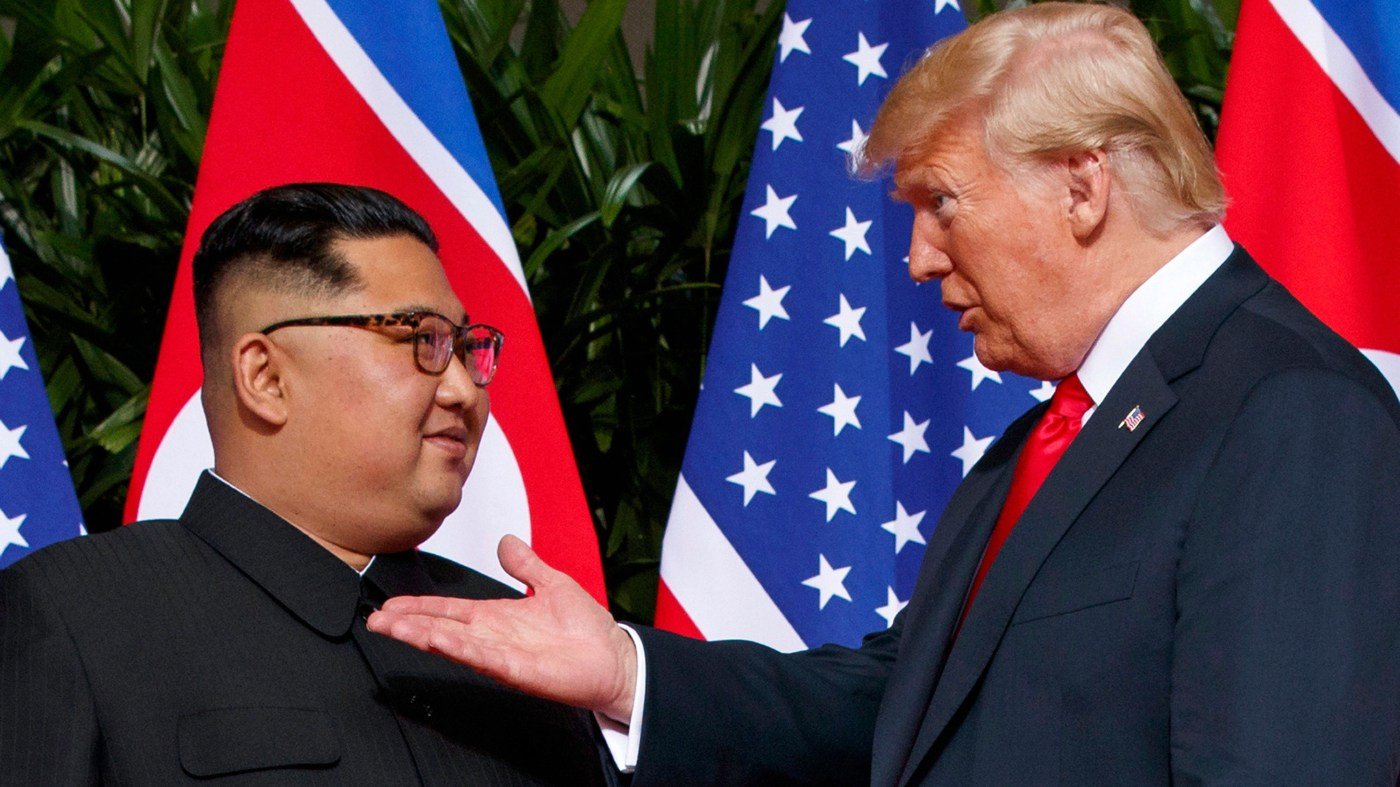
On Wednesday night, President Trump declared in a social media post that Aoun and Israeli Prime Minister Benjamin Netanyahu were "poised to speak" on Thursday, suggesting a historic breakthrough after 34 years without direct leader-level contact. "Trying to get a little breathing room between Israel and Lebanon," Trump wrote. "It will happen tomorrow. Nice!"
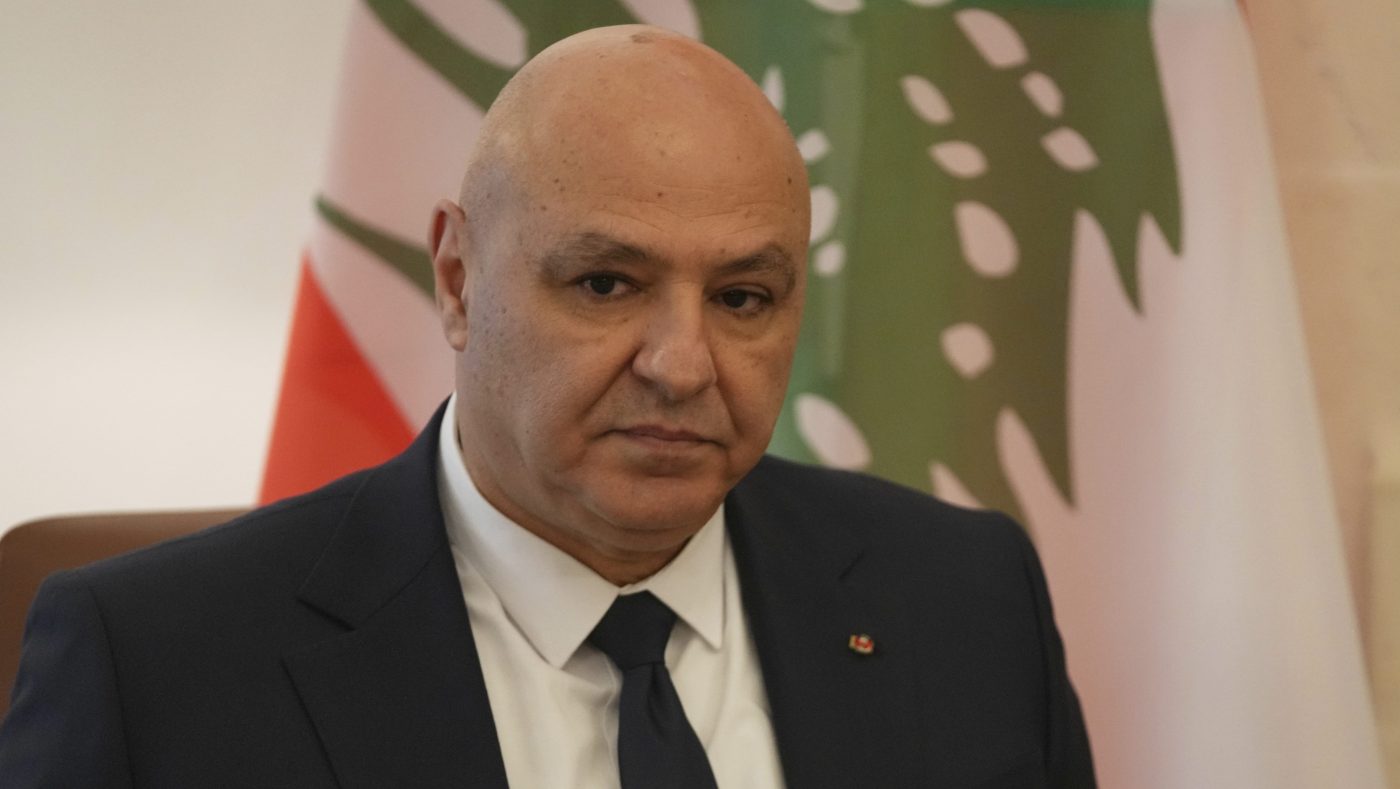
That optimism was swiftly undercut by Lebanese reports. Media outlet LBCI stated that President Aoun explicitly said he would not engage in talks with Netanyahu. The Lebanese president's office later confirmed a Thursday call with U.S. Secretary of State Marco Rubio, who affirmed Washington was urging Israel to halt attacks against the Iran-backed militant group Hezbollah inside Lebanon as a "prelude to establishing peace, security and stability."
Ceasefire Context and U.S. Mediation
The push for direct talks forms part of the terms of a recent ceasefire agreement between the U.S., Israel, and Iran, in which Tehran demanded Israel cease its strikes targeting Hezbollah positions. The militant organization represents one of Iran's most powerful proxy forces in the region. In a move emblematic of the administration's assertive foreign policy posture, Secretary Rubio hosted the Israeli and Lebanese ambassadors for an in-person meeting on Wednesday—the first high-level engagement between the two nations since 1993. Those preliminary talks were described as positive.
Prime Minister Netanyahu outlined a dual objective for any negotiations with Lebanon, stating they aimed to disarm Hezbollah and achieve a "sustainable peace." He simultaneously confirmed that Israeli military operations against Hezbollah sites in Lebanon had not ceased, and noted the Israeli Defense Forces were expanding a security buffer zone in southern Lebanon. This military posture exists alongside the diplomatic track, reflecting the complex, multi-front nature of the conflict.
Regional Stakes and U.S. Policy
The episode highlights the challenges the Trump administration faces in translating bold public declarations into concrete diplomatic achievements, particularly in a region fraught with decades of hostility. The U.S. effort to broker talks between Lebanon and Israel is intrinsically linked to its wider campaign against Iranian influence, a cornerstone of its Middle East strategy that often involves significant defense commitments and budgetary priorities.
Aoun's rejection also points to the delicate political situation in Lebanon, where Hezbollah wields substantial political and military power. Any Lebanese leader engaging in direct talks with Israel without addressing the status of Hezbollah—which Lebanon's government officially considers a resistance movement, not a militia—would face severe domestic backlash. The group's disarmament, a core Israeli demand, is a deeply contentious issue in Lebanese politics.
The conflicting accounts between Washington and Beirut suggest a possible disconnect in diplomatic communications or differing interpretations of diplomatic soundings. It raises questions about the coordination between U.S. diplomatic channels and the public messaging from the White House, a pattern observed in other foreign policy arenas. The administration's approach continues to generate both breakthrough moments and stark setbacks, as seen in other policy domains like domestic economic projections and regulatory overhaul efforts.
For now, the prospect of a landmark conversation between the Lebanese and Israeli heads of state appears stalled. The incident serves as a reminder that de-escalation along the Blue Line—the U.N.-drawn border between Lebanon and Israel—remains fraught, dependent on indirect understandings and the precarious balance of deterrence involving Hezbollah, Israel, and their respective international backers.