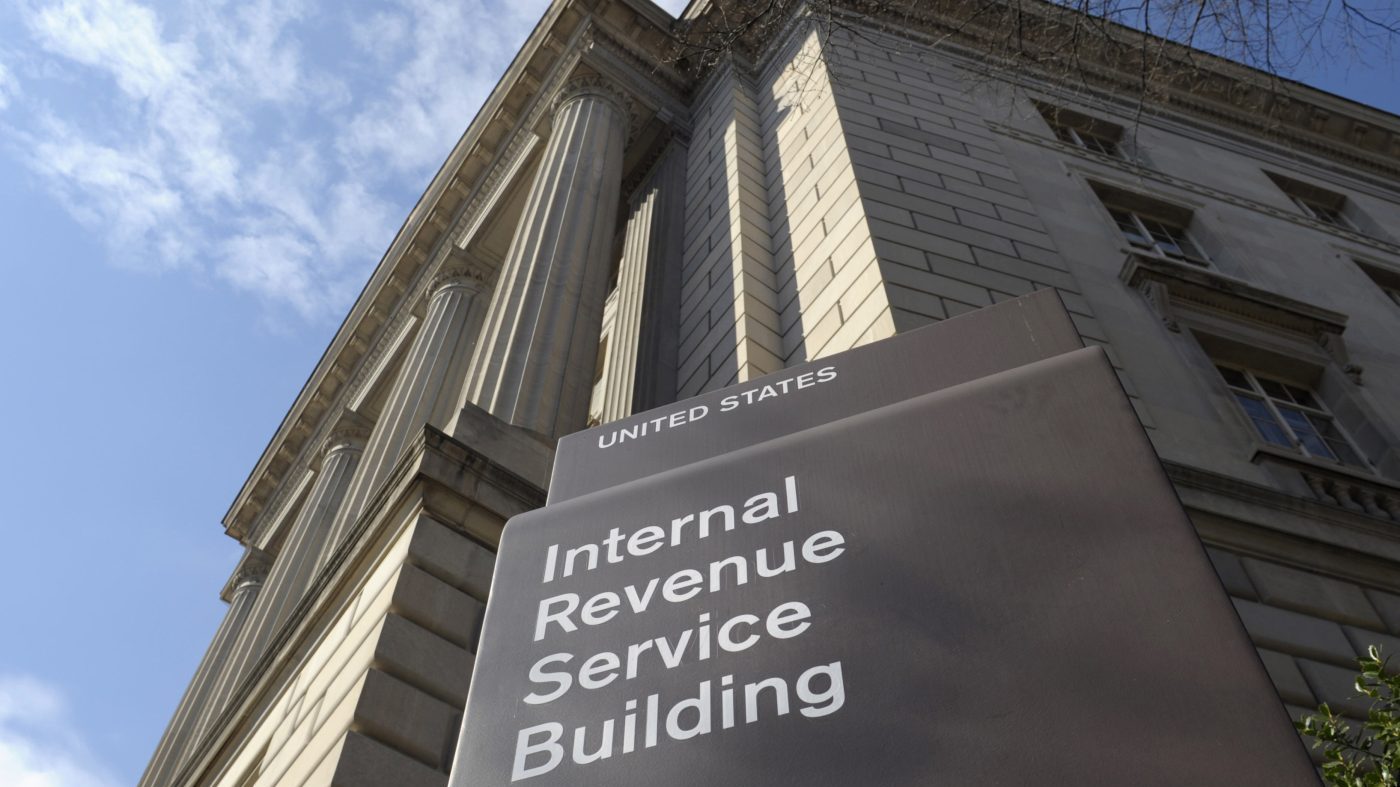
Early data from the 2026 tax filing season reveals a modest increase in average refunds that falls substantially short of the financial windfall projected by the Trump administration following last year's major tax legislation. The average refund issued stands at $3,462, an 11 percent increase from the $3,116 average recorded in 2025, according to Internal Revenue Service figures compiled in early April.
While the total number of refunds issued has grown by 3.1 percent, the average increase of roughly $300 per taxpayer is less than half the $775 boost forecast by the IRS and far below the $1,000-or-more gain anticipated by the White House in January. This gap between promise and reality marks a political setback for an administration that has frequently pointed to its "One Big Beautiful Bill" as a centerpiece of its domestic economic agenda.

Key Provisions and Mixed Impact
The law, enacted last July, introduced several specific deductions designed to increase take-home pay and refunds. These include a provision shielding up to $25,000 in tip income from taxation and a senior deduction for Americans over 65 to avoid certain Social Security taxes. However, the actual benefit realized by individuals has varied widely based on income and eligibility, diluting the overall average impact.
Treasury Department officials indicate that over 53 million taxpayers have claimed at least one of the new cuts. For many, the refunds are being directed toward immediate necessities. A TurboTax survey from February found 70 percent of recipients plan to use their refunds for rent, bills, and other living expenses. This suggests the policy is functioning more as a relief measure for household budgets than as a broad economic stimulus.
Economic and Political Context
The administration had hoped that larger refunds would provide a consumer-driven boost to the economy. However, analysts note that rising costs linked to the ongoing U.S.-Israeli military engagement with Iran could negate any potential economic lift from the tax cuts. Furthermore, the legislative focus on this bill has, at times, appeared to sideline other elements of the President's agenda as political attention shifts.
For a significant portion of the public, the new law has made little tangible difference. A poll by the Bipartisan Policy Center found 38 percent of taxpayers noticed no change from their previous year's return. The same survey highlighted widespread financial stress, with 43 percent of women and 27 percent of men describing themselves as "just getting by" or "struggling."
Broader Budgetary Trade-offs
The tax cuts came with substantial offsets. The One Big Beautiful Bill Act enacted deep spending reductions to programs including Medicaid and federal nutrition assistance. A Congressional Budget Office analysis last year estimated the law would reduce federal spending by approximately $1 trillion over a decade, resulting in an estimated 16 million low-income Americans losing health insurance coverage by 2034. These cuts have sparked intense debate, with figures like Budget Director Russ Vought facing fierce Democratic criticism over the administration's fiscal priorities.
The disconnect between projected and actual refund amounts presents a communications challenge for the White House, particularly as the political landscape grows more charged. The administration's focus has recently been divided, with high-profile conflicts—such as escalating criticism from President Trump and GOP allies toward Pope Leo XIV over peace messaging Ultimately, the 2026 tax data reveals a policy delivering incremental financial relief to many Americans, but failing to meet the transformative expectations set by its proponents. As refunds are absorbed into daily expenses rather than discretionary spending, the law's macroeconomic impact appears limited, leaving its political legacy to be defined more by its associated budget cuts than by the size of the checks it produces.