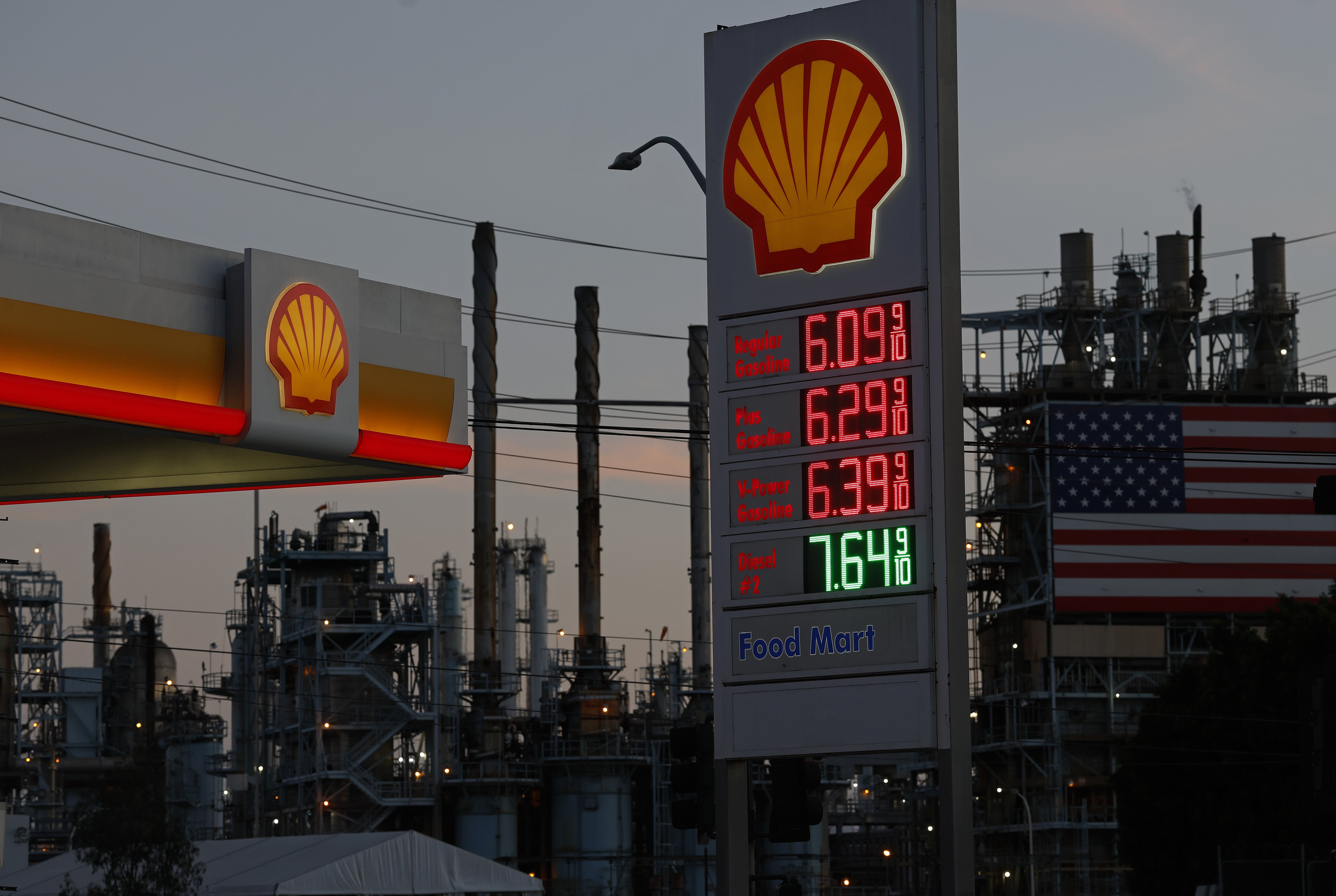
Fifty years after the Department of Energy's creation during an oil crisis, the agency faces its most comprehensive assault as the Trump administration methodically dismantles efficiency standards for appliances, vehicles, and industrial equipment. This regulatory rollback comes as renewed Middle East conflict drives up oil and gas prices, creating what critics call a deliberate policy of energy waste.
Targeting the Efficiency Infrastructure
The administration's primary target has been the Office of Energy Efficiency and Renewable Energy, established during the Reagan administration following the second Middle East oil shock. Under Energy Secretary Chris Wright, the office has been restructured, with billions in efficiency funding cut and programs like the low-income Weatherization Assistance Program facing elimination. Wright is now advancing efforts to discard established procedures for setting standards on energy-intensive appliances including air conditioners, refrigerators, washing machines, and electric motors.
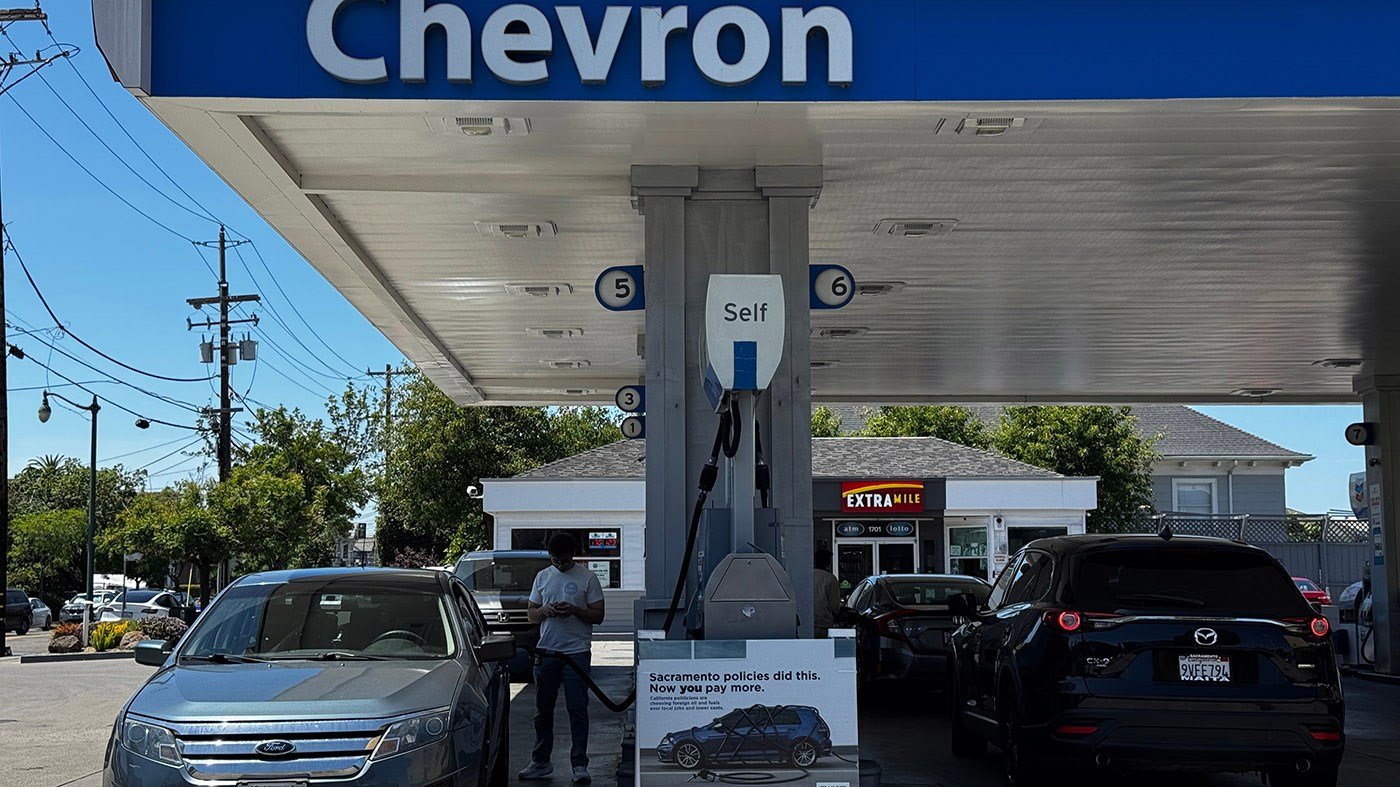
These standards have delivered substantial economic benefits. A January study found that without efficiency standards over the past decade, typical U.S. households would have paid approximately $6,000 more in utility bills, while businesses would have spent an additional $330 billion. U.S. electricity consumption would have been 14% higher, with summer peak demand increased by 115 gigawatts—roughly double the current power demand of all U.S. data centers.
Vehicle Standards Rollback
The assault extends to transportation. Since 1975, Corporate Average Fuel Economy standards have nearly tripled passenger vehicle efficiency, from 18 miles per gallon to approximately 50 mpg by 2031. The Trump administration announced in December it would reduce that standard to 34 mpg by 2031, cut annual efficiency improvement by 75%, and set fuel economy penalties at zero.
This rollback allows automakers to reduce electric vehicle production, given EVs' significant contribution to meeting fuel economy requirements. The policy reversal comes as global markets shift toward electrification, with electric vehicles comprising about 25% of new car sales worldwide and half of sales in China. The timing is particularly notable as vehicles with 600-plus mile ranges and 10-minute charging capabilities approach commercial viability.
Legislative and Economic Implications
In February, the House of Representatives passed legislation that would severely restrict future administrations from establishing new efficiency standards. This move, coupled with the administration's regulatory actions, represents what former Energy Department officials describe as a coordinated effort to permanently disable the nation's energy-saving infrastructure.
The economic rationale for efficiency remains strong. Energy efficiency—using "nega-watts" or less energy to accomplish the same tasks—typically meets energy demand more cheaply than even the lowest-cost generating sources like solar and wind. A 2025 analysis indicates that a new round of efficiency standards could cut projected 2040 U.S. electricity consumption by another 5%, a critical buffer as AI-driven electricity demand surges.
These policy shifts occur as the administration's focus on Middle East conflict and cultural issues sidelines its economic agenda ahead of the midterm elections. Meanwhile, budget officials face congressional scrutiny over the administration's spending priorities, including cuts to efficiency programs.
Political Response and Future Outlook
The article concludes that the answer to this regulatory assault is political: if Democrats regain House leadership in November, they could block efforts to roll back existing standards and prevent elimination of agency authority to set new ones. A future efficiency-friendly administration and Congress in 2028 could potentially salvage the energy-saving infrastructure that has contributed to national economic success for decades.
As one former Energy Department official who served under Presidents Clinton and Obama notes, "Low-hanging fruit does indeed grow back"—referring to how technological innovation and standard-setting reinforce each other over time. The current policy reversal represents what critics call an irresponsible retreat from five decades of bipartisan energy efficiency gains, now occurring against the backdrop of renewed Middle East instability and global energy market volatility.