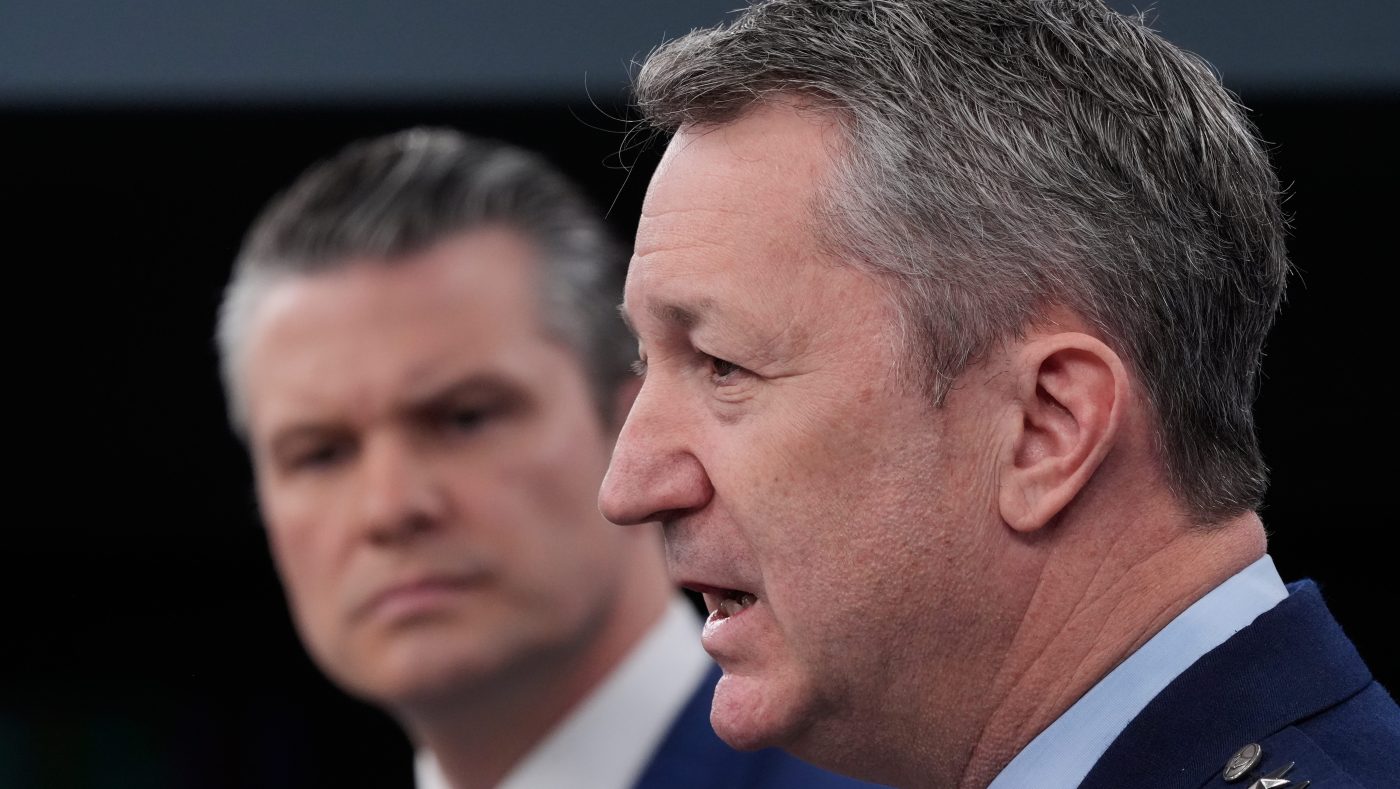
The U.S. military’s top officer reported Thursday that a growing number of commercial vessels are complying with the American naval blockade of the Strait of Hormuz, a critical chokepoint for global oil shipments. General Dan Caine, Chairman of the Joint Chiefs of Staff, said 13 ships have reversed course to avoid transiting the waterway after being warned by U.S. forces.
"The captains of all these ships made the wise decision not to move transit or run this blockade," Caine stated during a morning briefing at the Pentagon. "So far, 13 ships have made the wise choice of turning around." He emphasized that the blockade, ordered by the Secretary of Defense and President Trump, remains in full effect and that any vessel failing to comply "will be dealt with accordingly."
Enforcement and Warnings
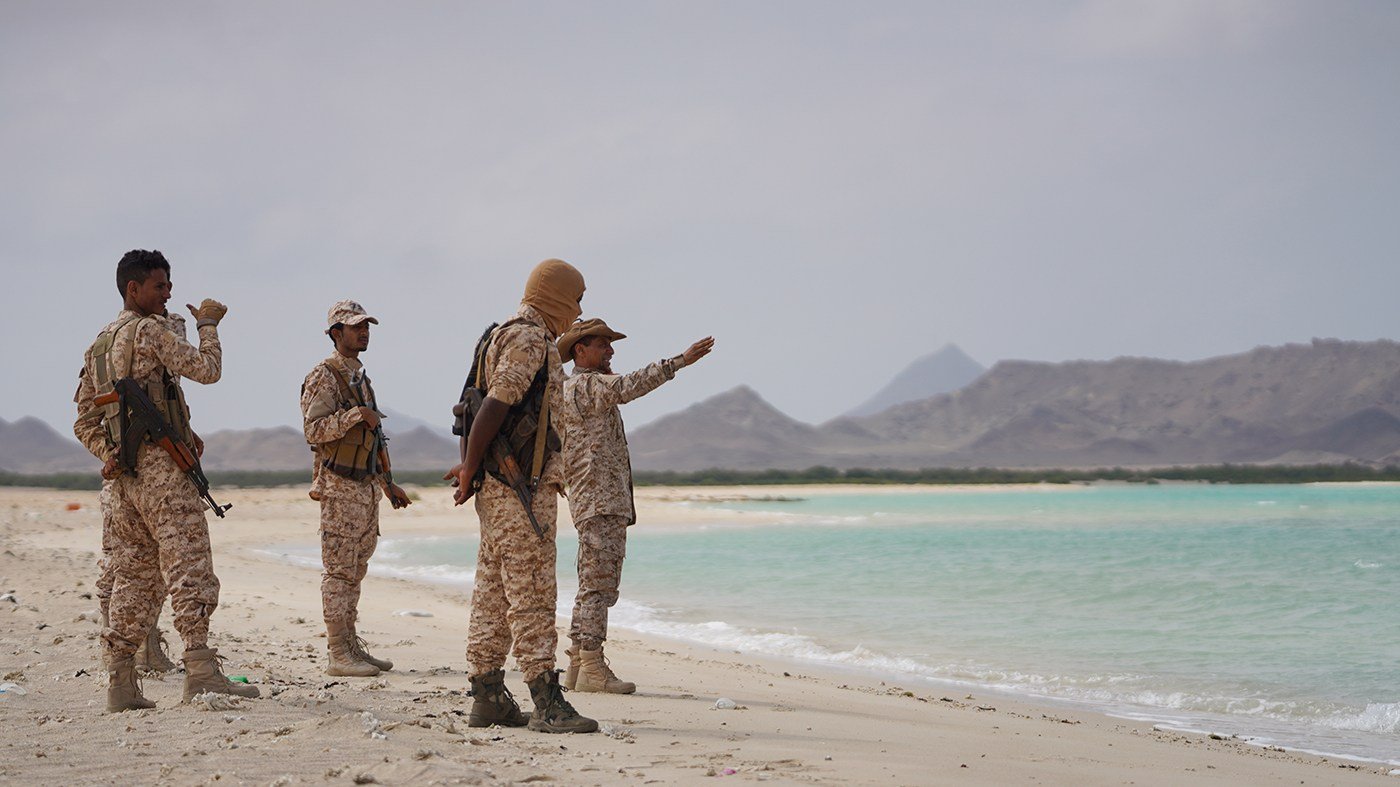
According to Caine, enforcement is being conducted by a multi-layered force including fighter jets, intelligence aircraft, helicopters, and aerial refueling tankers. A Navy destroyer typically leads the interdiction efforts, with the USS Abraham Lincoln Carrier Strike Group also operating in the region. Caine detailed the precise warning delivered to approaching ships: a young Navy officer transmits a message ordering vessels not to breach the blockade, stating they will be boarded for interdiction and seizure if bound to or from Iranian ports. The final directive is clear: "Turn around or prepare to be boarded. If you do not comply with this blockade, we will use force."
As of Thursday morning, U.S. Central Command had not been required to board any vessels in the Strait of Hormuz. However, Caine noted that the U.S. military is conducting similar maritime interdiction actions in the U.S. Indo-Pacific Command area against ships that departed the region before the blockade was initiated. This follows earlier reports that six ships were turned around in the first 24 hours of the operation.
Diplomatic Backdrop and Broader Context
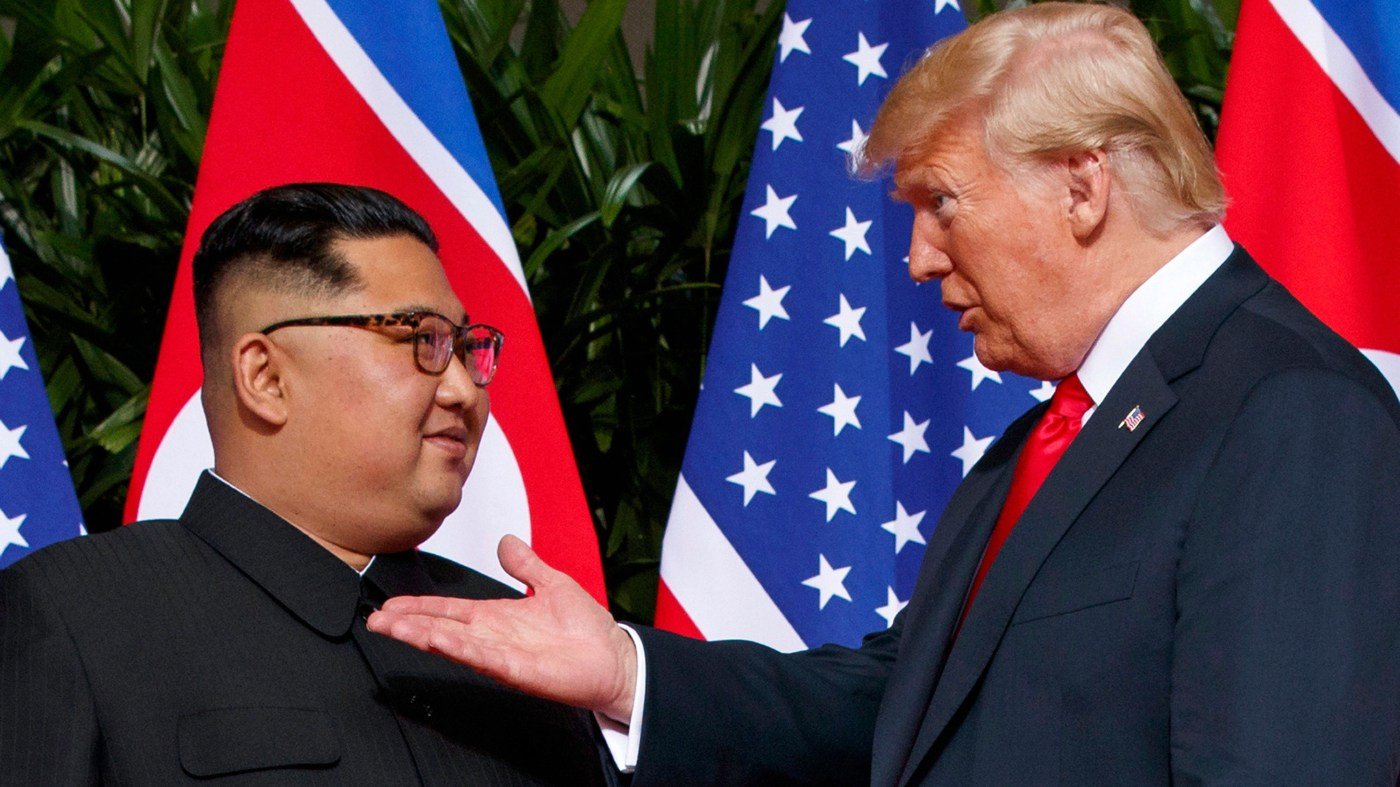
The blockade was implemented after lengthy diplomatic talks between the U.S. and Iran, held in Pakistan, failed to produce an agreement. President Trump has indicated a willingness to continue negotiations while simultaneously warning of renewed bombing campaigns if Iran refuses to accept U.S. demands. The move represents a significant escalation in the longstanding tensions between Washington and Tehran, directly impacting one of the world's most vital maritime corridors.
The strategic implications are far-reaching. While the administration asserts the blockade is necessary, it has drawn criticism from some quarters. For instance, Democratic Representative Jason Crow has argued the action strategically benefits Russia by destabilizing energy markets. Conversely, reports suggest some U.S. allies support the blockade, citing a perceived shift in the dynamics of the conflict with Iran.
The economic stakes are exceptionally high, given that roughly one-fifth of the world's oil passes through the Strait of Hormuz. The Energy Secretary has already warned that U.S. gasoline prices could peak within weeks due to the disruption. The blockade also tests the limits of U.S. naval power and its ability to enforce a unilateral action of this scale, a topic military officials are expected to detail further in coming briefings.
General Caine's update underscores a pattern of initial compliance but leaves open the question of how the U.S. will respond to a direct challenge. The situation remains volatile, with the potential for a single incident to trigger a broader confrontation. The world watches to see if the blockade will force a diplomatic resolution or become the flashpoint for a wider conflict.