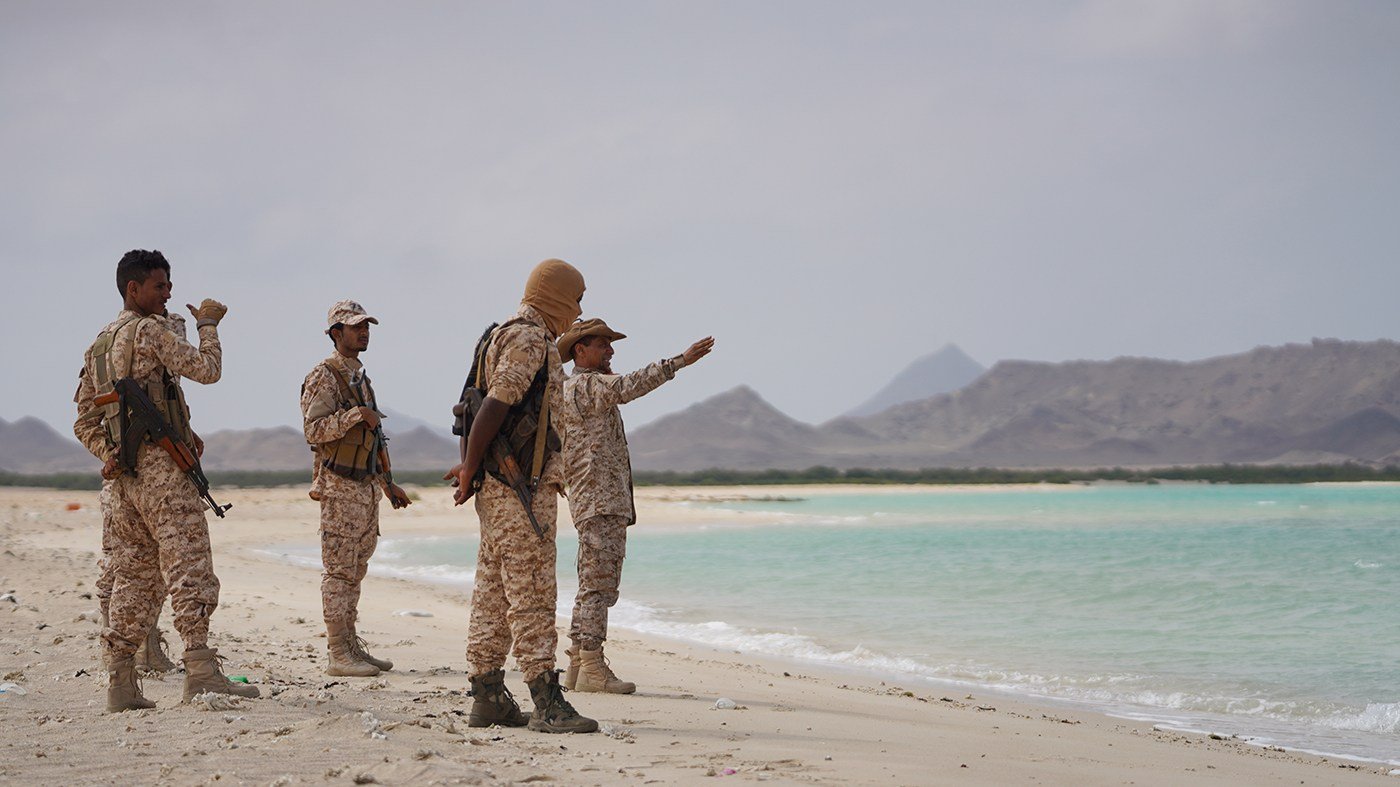
The United States has begun actively enforcing a naval blockade against Iran, with military officials confirming that six merchant vessels were turned away from Iranian ports within the first day of the operation. The action represents the first tangible implementation of President Trump's order to blockade the Strait of Hormuz, a critical global shipping chokepoint.
Initial Enforcement and Economic Impact
According to U.S. Central Command (CENTCOM), the six ships complied with American forces and reversed course to re-enter ports in the Gulf of Oman. This group included two oil tankers that had departed from Iran's Chabahar Port. Admiral Brad Cooper, commander of CENTCOM, stated that the blockade of Iranian ports "has been fully implemented as U.S. forces maintain maritime superiority in the Middle East." He emphasized the strategic significance, noting that "an estimated 90% of Iran's economy is fueled by international trade by sea," and claimed U.S. forces had "completely halted economic trade going into and out of Iran by sea" in less than 36 hours.
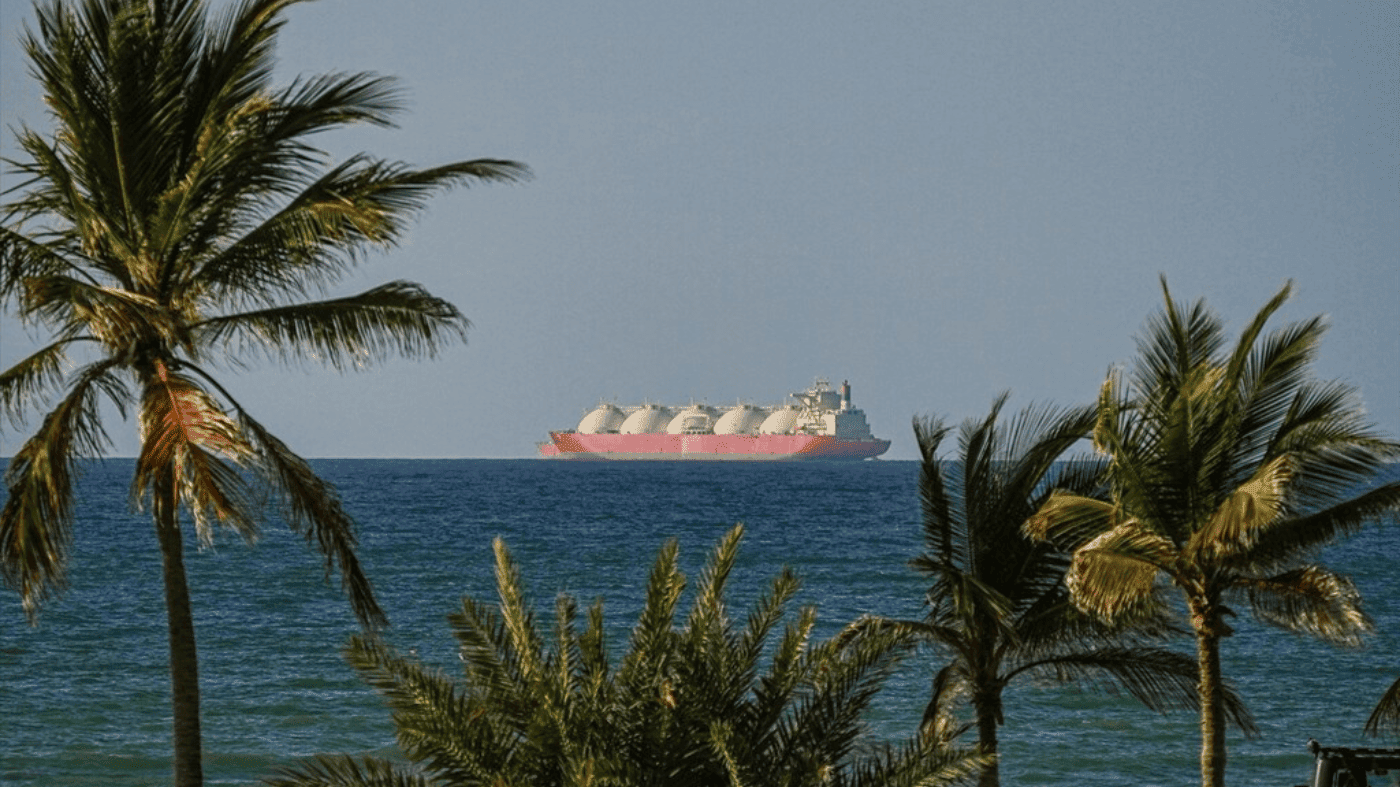
While CENTCOM initially reported no ships breached the blockade in its first 24 hours, shipping data later revealed that two Chinese-flagged tankers—the Rich Starry and the Murlikishan, both previously sanctioned by the U.S.—successfully transited the strait and were in the Persian Gulf as of Wednesday. This indicates the practical challenges of a total interdiction in one of the world's busiest waterways.
Diplomatic Breakdown Precedes Military Action
The blockade follows the collapse of marathon talks between U.S. and Iranian officials in Islamabad, Pakistan, over the weekend. The negotiations, led by U.S. Vice President Vance, failed to produce an agreement. A primary point of contention was control of the Strait of Hormuz, which Iran had closed following the start of a U.S.-Israeli military offensive against it on February 28. The closure has already triggered a sharp increase in global fuel prices, with the U.S. national average for gasoline reaching $4.11.
The strait was briefly reopened after the Trump administration and Tehran agreed to a two-week ceasefire, but Iran shut it again the following day. Iranian officials cited Israeli strikes on Lebanon as a violation of the truce's conditions. In a related diplomatic development, Pakistani Prime Minister Shehbaz Sharif, who facilitated the U.S.-Iran discussions, is scheduled to visit Saudi Arabia, Qatar, and Turkey this week to push for a negotiated solution to the broader conflict.
Regional and Global Repercussions
The enforcement of the blockade marks a significant escalation in the ongoing tensions between Washington and Tehran. The Strait of Hormuz is a vital conduit for approximately one-fifth of the world's oil supply, meaning sustained closure or military confrontation risks severe disruption to global energy markets and broader economic stability. President Trump acknowledged on Tuesday that talks with Iran were proceeding "a bit slow" but were still "underway."
This maritime confrontation occurs against a backdrop of other international crises and domestic political challenges. As Congress returns to Washington facing debates over surveillance authority and homeland security funding, the administration's foreign policy moves will likely face intense scrutiny. Furthermore, the situation echoes other high-stakes diplomatic standoffs, such as when Cuban leader Díaz-Canel recently signaled conditional openness to U.S. talks amid military tensions.
The immediate success of the blockade in redirecting commercial traffic demonstrates U.S. naval capability in the region. However, the passage of the two sanctioned Chinese vessels highlights the complex enforcement landscape and the potential for challenges from other nations. The situation remains fluid, with the risk of miscalculation or incident at sea being high. The international community, particularly energy-dependent nations, will be watching closely as the economic and diplomatic pressure on Iran intensifies.