Congress reconvenes this week facing a deeply fractured legislative agenda, with critical votes on national security surveillance, a persistent partial government shutdown, and escalating bipartisan efforts to expel members embroiled in scandal. The political atmosphere is charged as lawmakers confront deadlines and internal party divisions.
FISA Reauthorization Hangs in the Balance
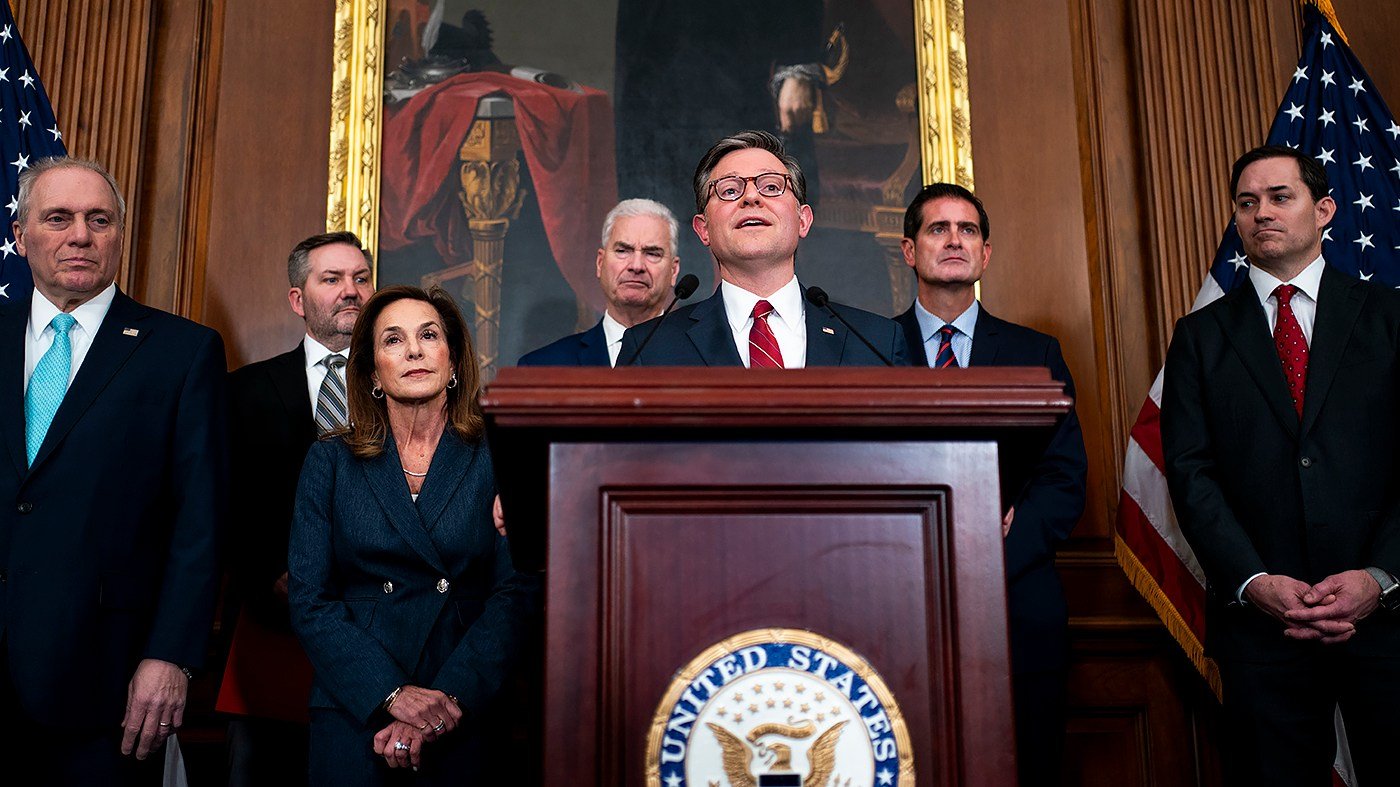
House Speaker Mike Johnson (R-La.) faces his first major test this week as he pushes for a vote to reauthorize Section 702 of the Foreign Intelligence Surveillance Act (FISA). The provision, which permits warrantless surveillance of foreign targets abroad, expires April 20. Johnson is advocating for a "clean" 18-month extension, but faces substantial opposition from within his own conference. Members of the House Freedom Caucus are demanding significant reforms, arguing the law has been abused to spy on American citizens. The debate comes as the FBI's admission of purchasing domestic location data has intensified scrutiny of intelligence community overreach.
Rep. Anna Paulina Luna (R-Fla.) is leading a faction insisting the FISA bill include the SAVE America Act, a suite of voting reforms requiring proof of citizenship for voter registration. Without near-unanimous Republican support on the procedural rule vote, Johnson may be forced to seek Democratic backing, a move that would highlight his fragile grip on the gavel.
DHS Shutdown and Immigration Funding Impasse
The partial government shutdown continues to paralyze the Department of Homeland Security (DHS), with Republicans divided on a path forward. House GOP leaders are preparing a second reconciliation bill focused on funding Immigration and Customs Enforcement (ICE) and Border Patrol. However, a faction insists this bill must be finalized before considering a separate Senate-passed measure to fund the rest of DHS, or that the entire department be funded through reconciliation. This internal stalemate prolongs the shutdown, creating operational uncertainty for agencies like the TSA.
Iran Fallout and Internal Party Pressure
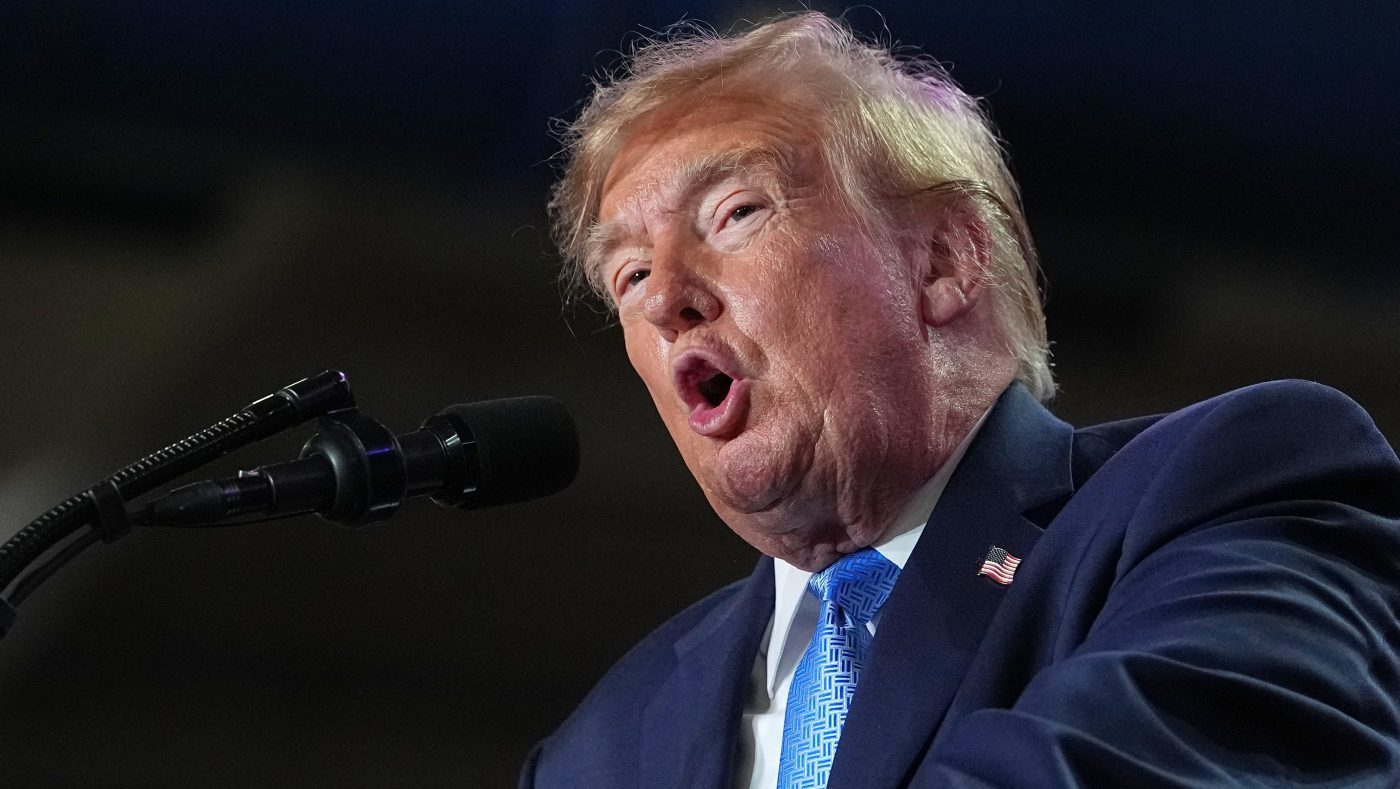
Democrats are renewing a push to curtail presidential war powers regarding Iran, planning a Senate vote on a resolution that would require congressional approval for military action. This effort follows President Trump's stark warnings to Tehran and ongoing uncertainty about the ceasefire. The move underscores broader Democratic pressure on leadership to more aggressively confront the administration, including through impeachment or the 25th Amendment, as detailed in our analysis of the returning debate over Iran and presidential authority.
Expulsion Wars Escalate
Calls for expulsion are mounting on both sides of the aisle. Following sexual assault allegations, which he denies, Rep. Eric Swalwell (D-Calif.) suspended his gubernatorial campaign amid bipartisan pressure to resign. Rep. Luna has stated she will file a motion for his expulsion. The targeting is not unilateral; lawmakers are also setting sights on Rep. Tony Gonzales (R-Texas), who faces new allegations prompting GOP calls for his removal, along with Reps. Sheila Cherfilus-McCormick (D-Fla.) and Cory Mills (R-Fla.), signaling a volatile period of internal ethics battles.
Other Key Flashpoints
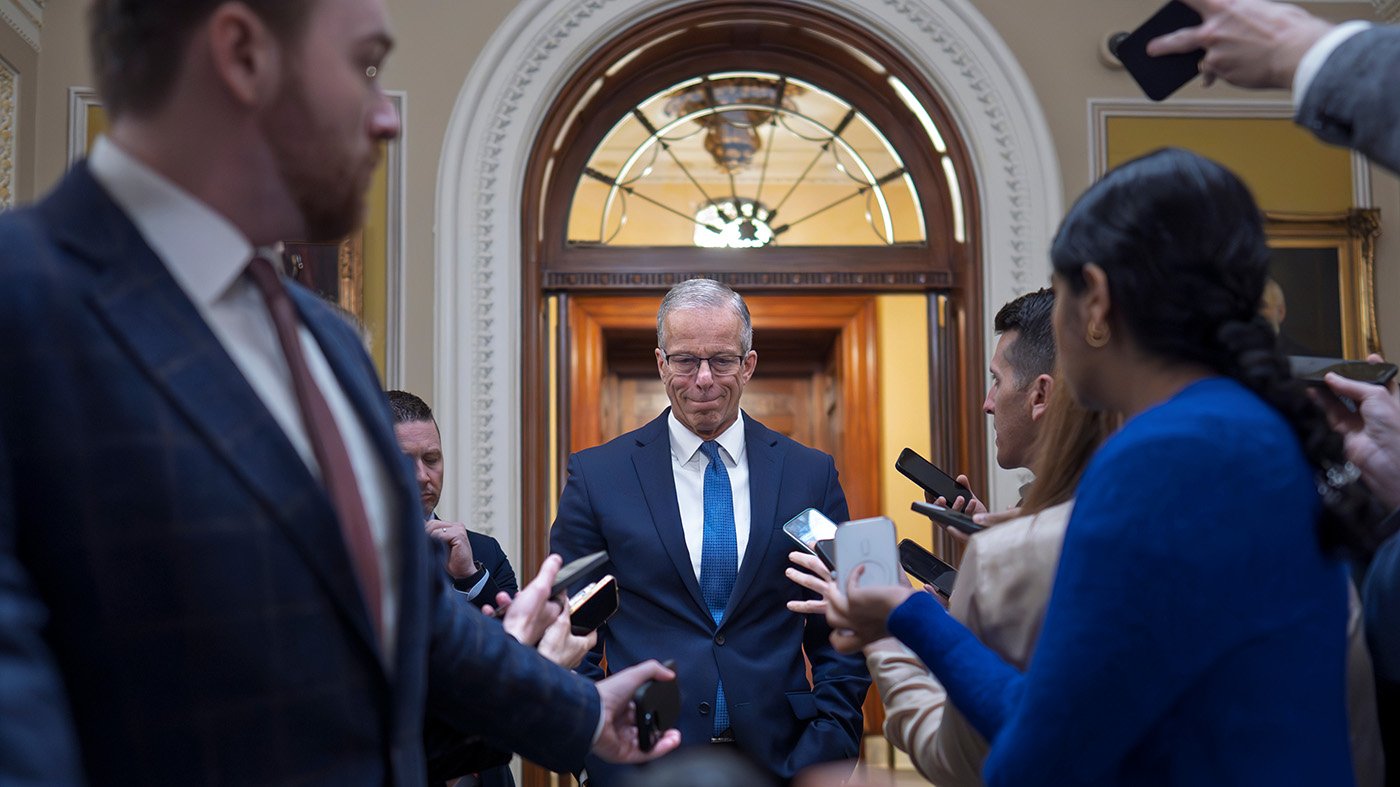
Several other contentious issues will demand attention. The SAVE America Act faces strong Democratic opposition in the Senate, where Majority Leader John Thune (R-S.D.) is under conservative pressure to force a vote. Meanwhile, Democrats on the House Oversight Committee are threatening to hold former Attorney General Pam Bondi in contempt if she fails to appear for a scheduled deposition related to the Jeffrey Epstein investigation. This intersects with broader tensions over executive branch accountability, reminiscent of the DOJ's fight over judicial oversight in reporter searches.
The week ahead will test congressional leadership's ability to govern amid profound internal divisions. From national security surveillance and shutdown politics to corrosive ethics fights, the agenda reflects a legislature struggling to find consensus on fundamental issues of law, spending, and institutional integrity.