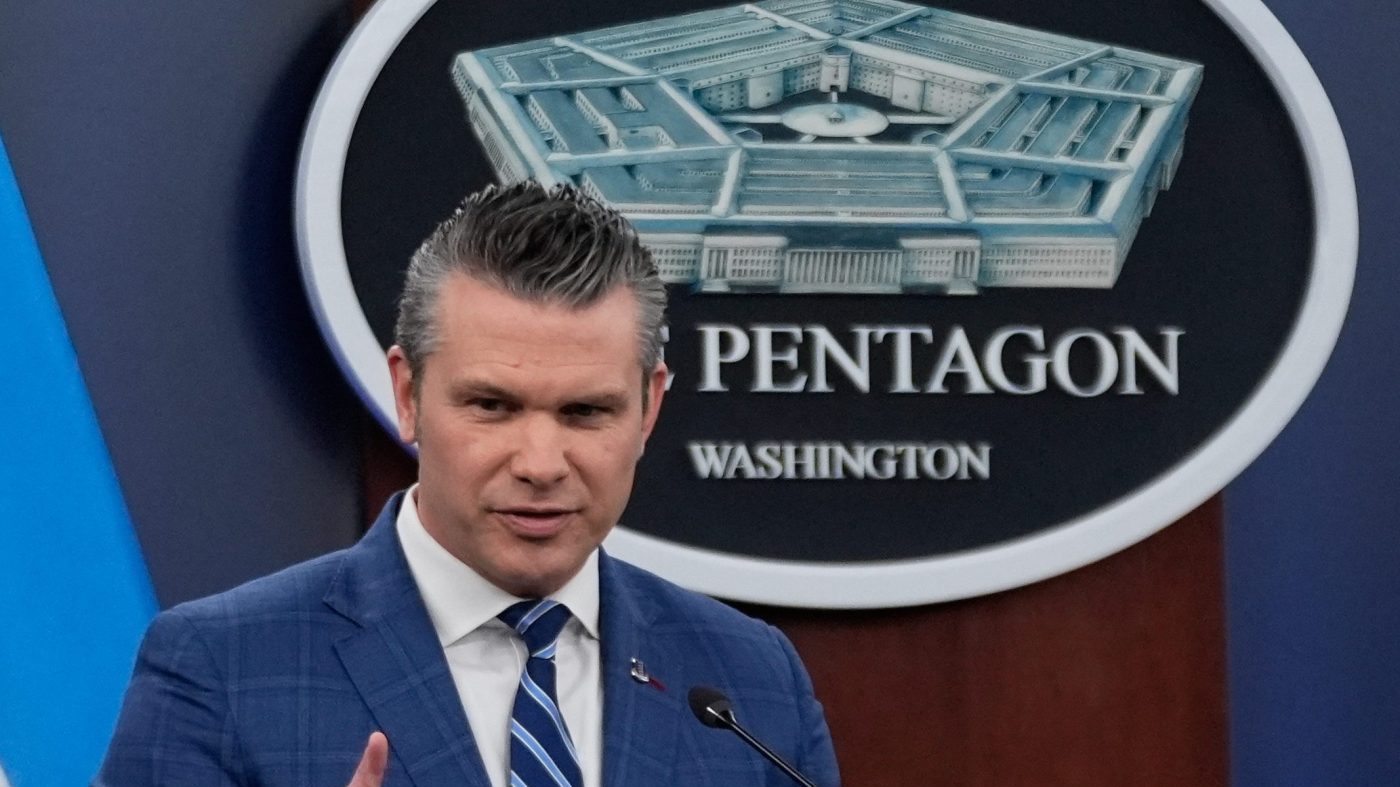
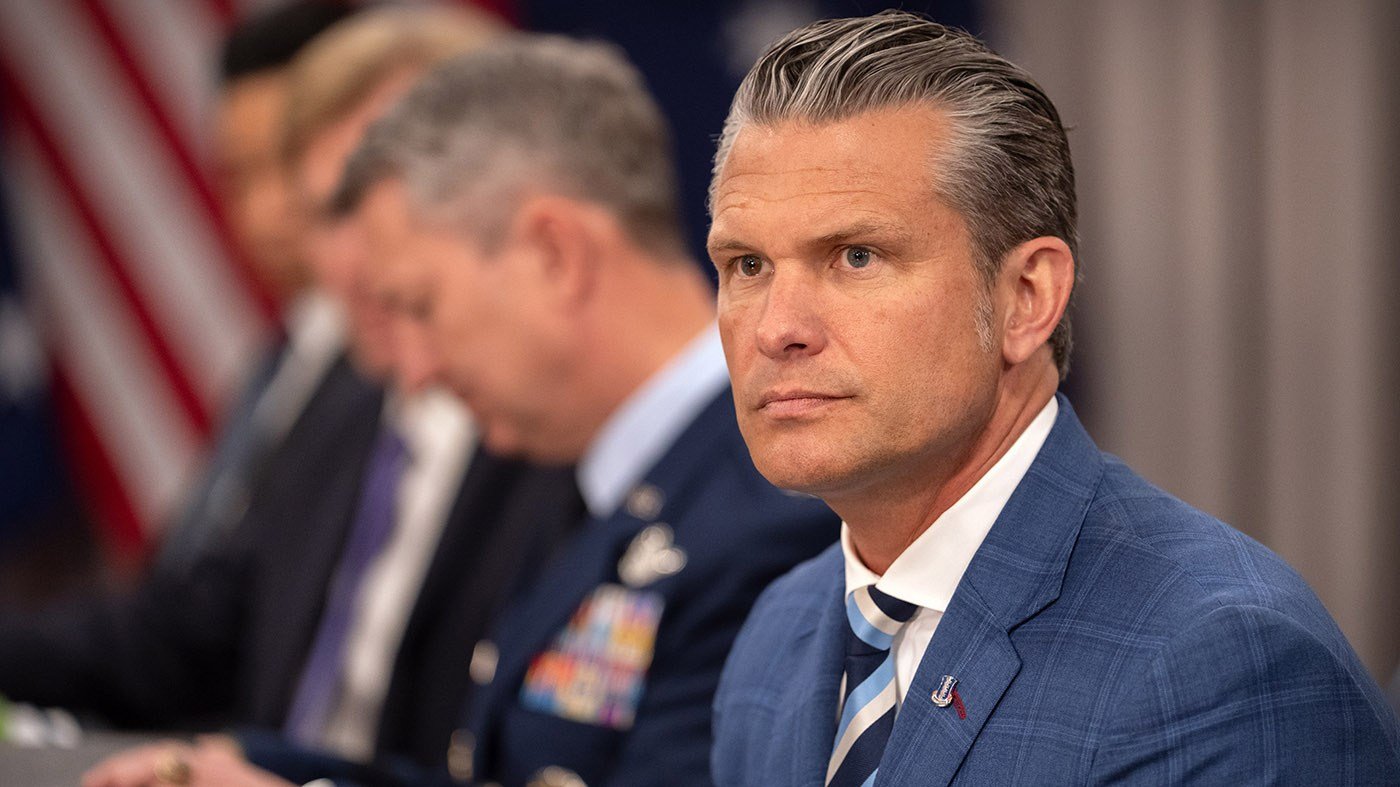
Defense Secretary Pete Hegseth and Joint Chiefs of Staff Chairman Dan Caine are scheduled to address the press Thursday morning regarding the ongoing U.S. military operation in Iran. The briefing comes just over a week after a tentative ceasefire took effect between the Trump administration and Tehran, a pause now under significant strain.
The situation escalated this week when President Trump ordered a naval blockade of the Strait of Hormuz, a critical global oil transit corridor. The administration framed the move as a direct response to Iran's imposition of new tolls on commercial shipping through the waterway. This military enforcement has already shown tangible effects, with reports indicating six vessels were redirected from Iranian ports within the first day of the blockade's implementation.
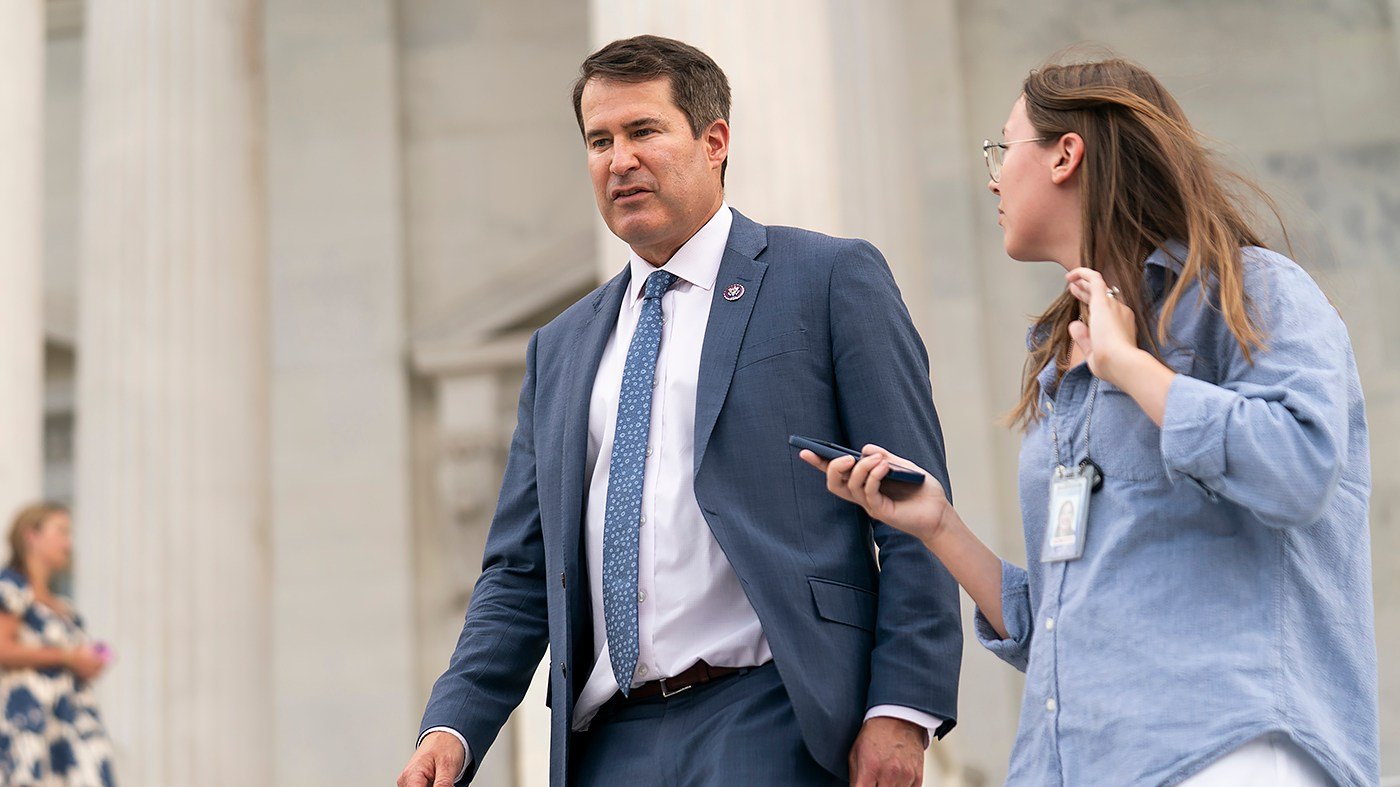
The decision has drawn mixed reactions domestically and abroad. While some U.S. allies have reportedly expressed support for the hardline stance, it has also sparked criticism from within Congress. Democratic Representative Jason Crow has condemned the blockade, arguing it strategically benefits Russia by destabilizing global energy markets and diverting Western attention.
Complicating the geopolitical landscape are Iran's deepening ties with China, which have provided Tehran with economic and diplomatic insulation against U.S. pressure. The relationship has become a focal point in Washington's strategic calculations, influencing both military and economic policy responses.
In a parallel diplomatic track, Vice President J.D. Vance traveled to Pakistan last weekend for discussions with Iranian officials. The talks, aimed at forging a path toward a lasting peace agreement to end the conflict that ignited in late February, concluded without a breakthrough. The lack of progress underscores the challenges facing de-escalation, even as military tensions remain high.
Secretary Hegseth's leadership at the Pentagon continues to be a subject of intense scrutiny. His recent appearance on Capitol Hill to defend a substantial $1.5 trillion defense budget request highlighted the administration's commitment to military spending amid the crisis. However, his management style has raised concerns, including from a Georgia Republican who warned that Hegseth's removal of an Army chief created a 'chilling effect' on military leadership.
The Thursday briefing, set for 8 a.m. Eastern Time, is expected to provide the Pentagon's latest assessment of operational objectives, the status of forces in the region, and the strategic rationale behind the Hormuz blockade. Observers will be watching for any signals regarding the ceasefire's viability and potential next steps, whether diplomatic or military.
This high-stakes moment occurs as the administration balances a robust defense posture with other global commitments. Critics have noted instances where focus on Iran may come at a cost elsewhere, such as when Hegseth skipped a key Ukraine defense meeting, a move interpreted by some as a ceding of U.S. leadership on that front. The briefing will be a critical window into how the Pentagon prioritizes these competing demands during a period of heightened global tension.