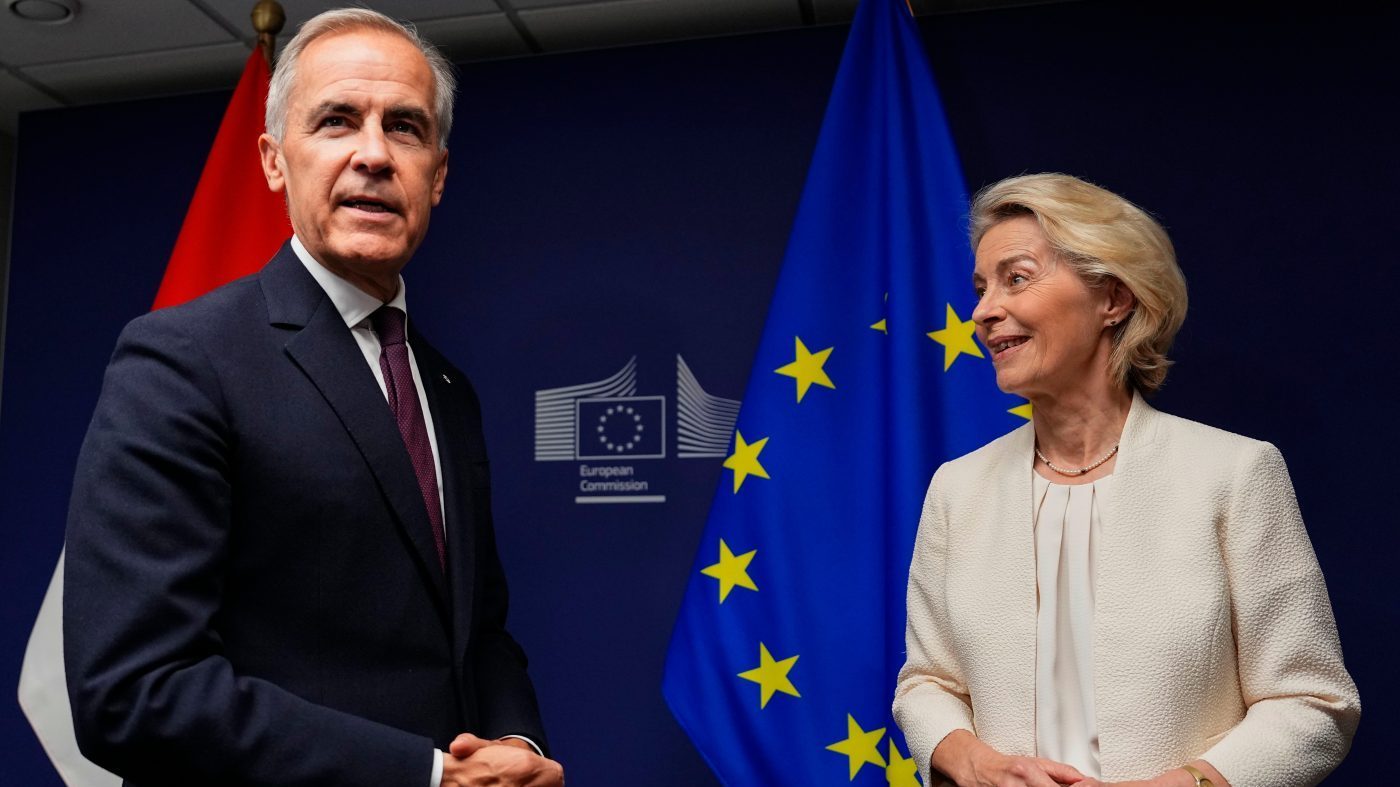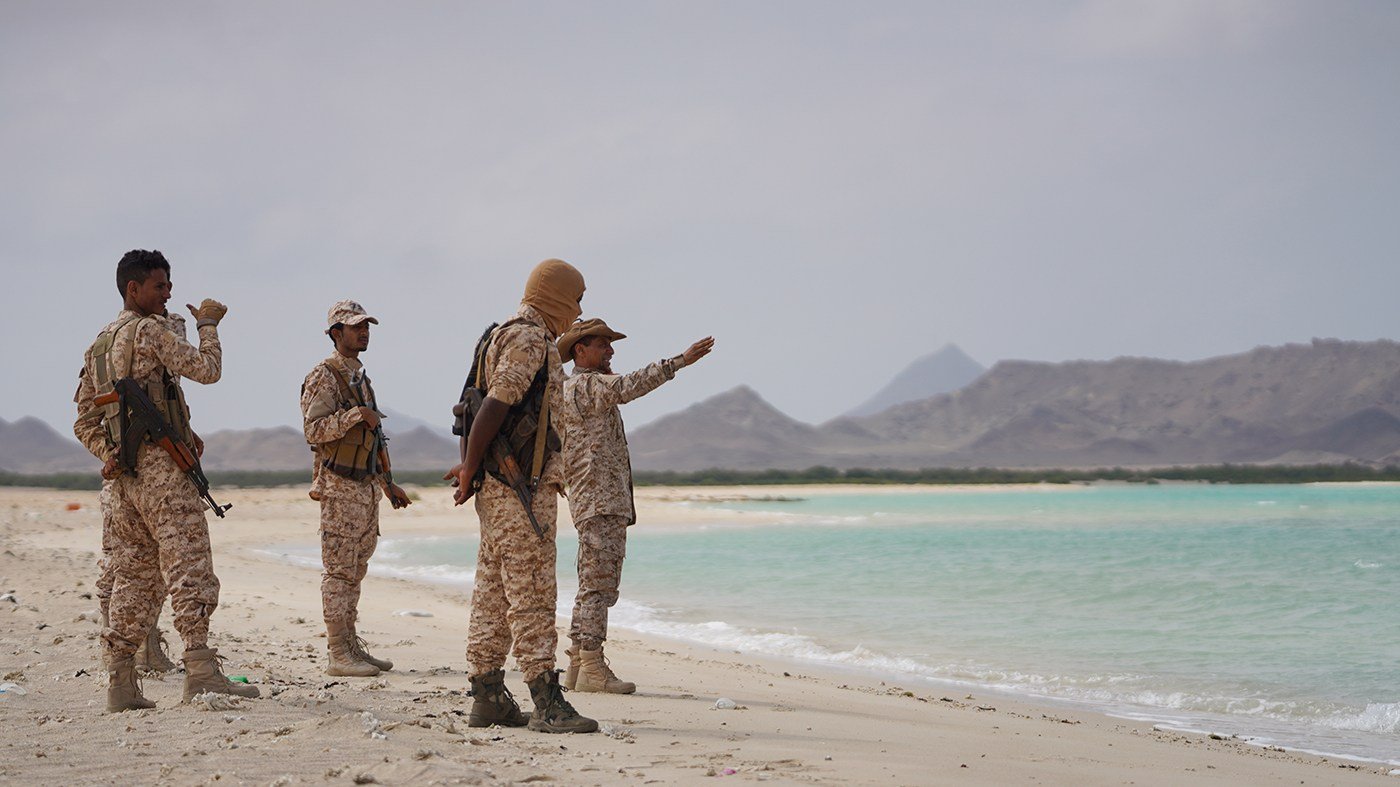
MSNBC host Joe Scarborough reported on Wednesday that key American allies have responded with strong support to the Trump administration's decision to enforce a naval blockade of the Strait of Hormuz, effectively closing the critical waterway to Iranian control of maritime traffic.
The administration's action this week prevents Iran from selectively allowing ships passage through the strategic chokepoint, which handles roughly one-fifth of the world's oil shipments. Scarborough, speaking on his 'Morning Joe' program, indicated this military move has altered perceptions among partners who had grown anxious about U.S. foreign policy direction.
"There was a growing unease that the United States was going to get a bad deal," Scarborough said, referencing broader diplomatic concerns. "And they are actually very positive about the blockade and have signed on to what I am sure historians will long remember as the Haas plan."
That plan refers to a strategy proposed by Richard Haass, president emeritus of the Council on Foreign Relations. In early March, Haass advocated an "Open for All or Closed to All" policy for the strait, arguing it would be less militarily demanding than other options while rallying international pressure on Tehran. He suggested that countries like China and India, which rely on Iranian energy, would be incentivized to push Iran toward compliance to avoid losing access entirely.
Following the blockade's implementation, President Trump claimed his Chinese counterpart was "very happy" with the development, suggesting Beijing's cooperation. Former State Department spokesperson John Kirby also noted the blockade could encourage China to urge Iran back to negotiations to resume oil transports from the region.
Scarborough suggested the enforcement of the naval blockade has radically changed the dynamics of the ongoing conflict with Iran. He argued Tehran now recognizes the necessity of eventually reaching a deal, especially after experiencing improved economic conditions from trading oil globally in recent years.
The White House has indicated that talks between the U.S. and Iran, which broke off abruptly last week, could resume within days. This diplomatic window appears tied to the economic pressure exerted by the blockade, which directly targets Iran's primary export revenue. The move has not been without domestic criticism, however, as some lawmakers have warned of unintended consequences. For instance, Democratic Representative Crow has criticized the strategy as a potential strategic gift to Russia.
The broader geopolitical ramifications continue to unfold, with the administration's claim of a deal with China on the Strait of Hormuz standing in contrast to reports of European NATO allies distancing themselves from U.S. actions. The success of the blockade, and its impact on global energy markets, may hinge on whether it can sustain multilateral support while forcing Iran's return to the negotiating table.