President Donald Trump asserted Wednesday that his administration is taking steps to permanently reopen the strategic Strait of Hormuz, claiming the move has secured a major concession from China regarding its support for Iran. In a series of statements, Trump framed the action as a diplomatic victory, though it follows his own order imposing a naval blockade on Iranian ports earlier this week, which had severely restricted traffic through the vital waterway.
Claims of a Chinese Concession
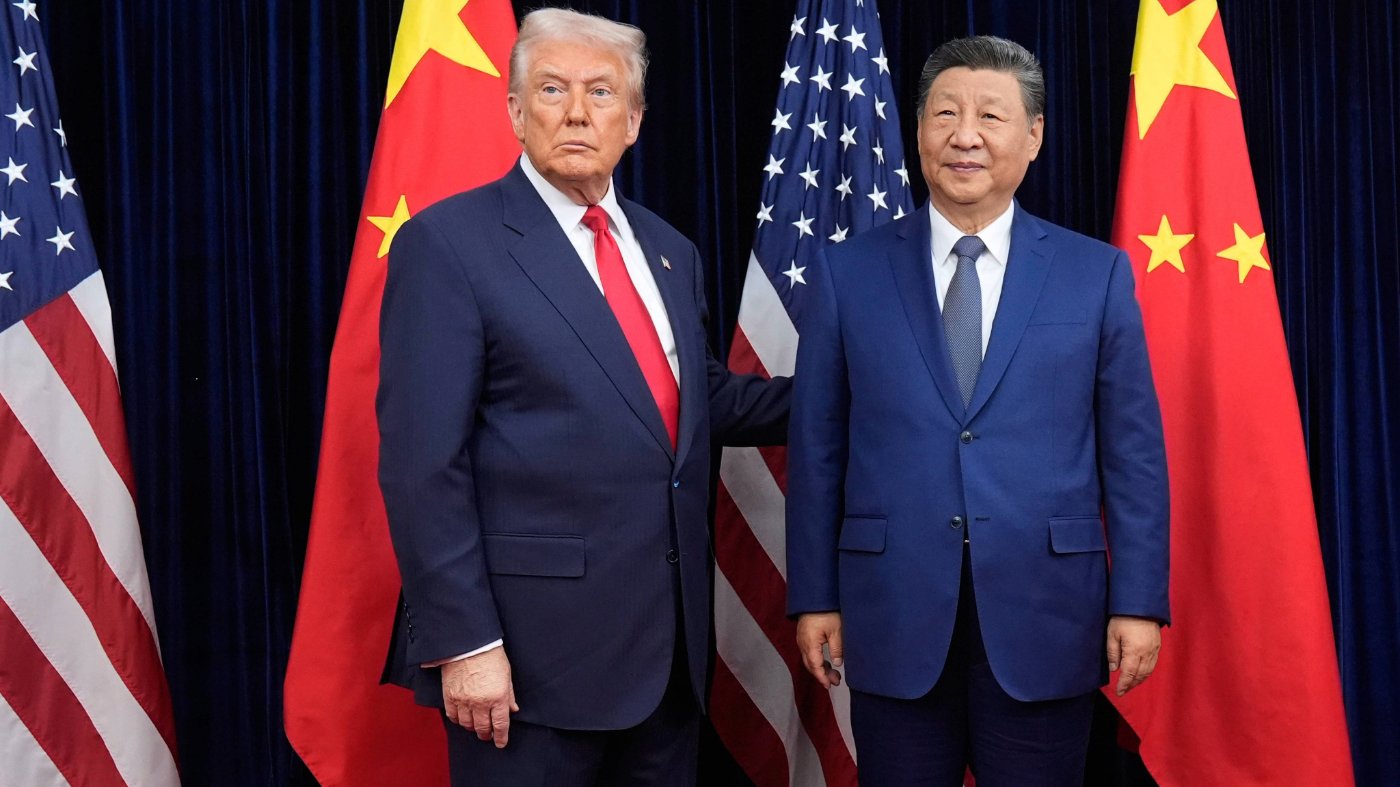
Trump took to his Truth Social platform to announce the development, directly linking the reopening to Beijing's foreign policy. "China is very happy that I am permanently opening the Strait of Hormuz. I am doing it for them, also – And the World. This situation will never happen again," the president wrote. He added, "They [China] have agreed not to send weapons to Iran. President Xi will give me a big, fat, hug when I get there in a few weeks. We are working together smartly, and very well!"
This declaration follows an interview with Fox Business, where Trump detailed a correspondence with Chinese leader Xi Jinping. "I wrote him a letter asking him not to do that, and he wrote me a letter saying essentially he's not doing that," Trump said, referring to allegations of Chinese weapons shipments to Tehran. The president's comments come amid unconfirmed intelligence reports suggesting Beijing may have recently sent missiles to Iran, though no evidence has surfaced of their use against U.S. or Israeli forces.
Military Actions Contradict Open Access Promise
Trump's promise of "permanently" opening the strait stands in stark contrast to ongoing U.S. military enforcement. The Pentagon confirmed it had turned around six merchant vessels and completely halted seaborne trade from Iranian ports, maintaining the very blockade the president claims to be ending. The administration has not clarified whether the reopened lane applies exclusively to Chinese-flagged vessels or includes ships from other nations, leaving the operational details of the policy unclear.
The strategic chokepoint is critical for global energy supplies, with China being a major importer of oil transiting the region. Beijing has publicly called for an end to hostilities and the reopening of the strait to secure its energy interests. Trump's claim of a bilateral arrangement suggests an attempt to position a tactical military enforcement as part of a broader, favorable negotiation with a top geopolitical rival.
Broader Context of Trump's Foreign Policy Approach
This episode reflects the president's characteristic blend of economic pressure, personal diplomacy, and military posturing. It arrives as his administration signals readiness for potential changes on the Supreme Court and continues to navigate complex legislative battles, including a critical FISA renewal in the House. The move also intersects with growing scrutiny of the administration's Middle East strategy, which has faced criticism from some quarters, including from allies who have acknowledged youth discontent with the current approach.
When questioned about a separate, major Chinese cyber intrusion into a U.S. agency system—labeled a "major incident" by the FBI—Trump offered a dismissive realpolitik view. "We do it to them. They do it to us. We do it to them," he said. "It is what it is. China's China. They're never easy, but we're doing great with China. I'm the toughest person on China anywhere in the world."
The president's statements weave together several ongoing threads: managing an adversarial relationship with China, enforcing maximum pressure on Iran, and asserting personal diplomatic prowess. However, the tangible outcomes remain uncertain, hinging on the verification of China's weapons pledge and the actual terms of maritime access in the Persian Gulf. The administration has yet to provide a detailed framework reconciling the continued blockade with the promised reopening, leaving allies and trade partners awaiting concrete guidance.