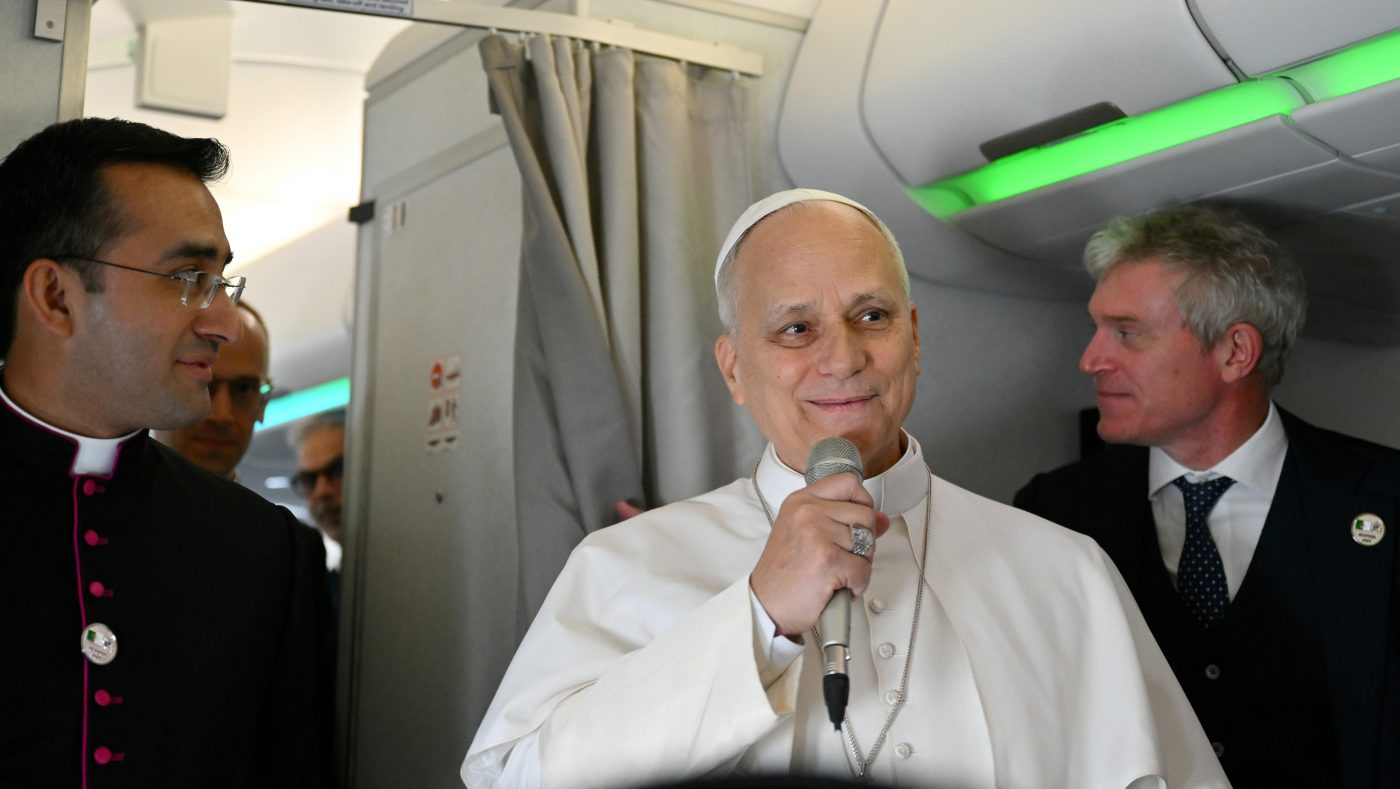
Pope Leo XIV has firmly rejected the prospect of a public debate with President Donald Trump, characterizing recent tensions between the two leaders as based on a misinterpretation of his intentions. Speaking to journalists aboard the papal plane en route to Angola on Saturday, the pontiff stated that engaging in such a confrontation is "not in my interest at all."
Dispute Over Timing and Intent
The controversy stems from a speech the Pope delivered in Cameroon, where he warned "woe to those who manipulate religion." Media coverage framed the remarks as a direct response to Trump's criticism of the Vatican's peace advocacy. Leo XIV countered this narrative, explaining the address was prepared two weeks prior to Trump's comments and was not designed as a rebuttal. "It was looked at as if I was trying to debate, again, the president, which is not my interest at all," he said. "So we go on the journey. We continue proclaiming the gospel message."
Trump's Escalating Criticism
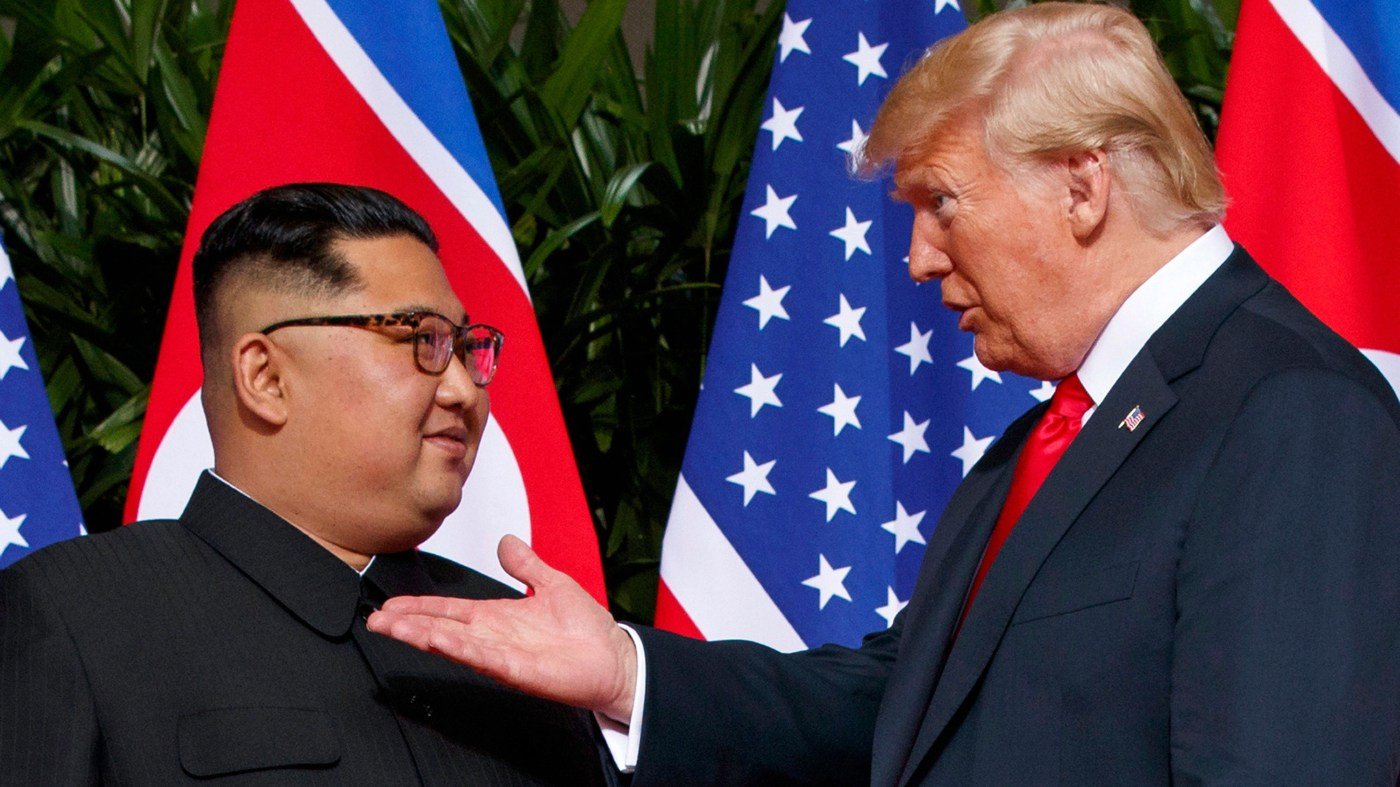
The President has launched repeated attacks against the pontiff over his calls for diplomacy and de-escalation in the ongoing U.S.-Israeli tensions with Iran. In a Truth Social post last Sunday, Trump labeled the Pope "WEAK on Crime, and terrible for Foreign Policy," and made the baseless assertion that Leo XIV would not hold his position if not for Trump's presidency. He further claimed, without evidence, that the Pope wants Iran to possess nuclear weapons—a position the Vatican has never endorsed.
Speaking outside the Oval Office on Monday, Trump refused to apologize for his remarks, accusing Leo XIV of having "a problem" with law and order. "He was very much against what I'm doing with regard to Iran, and you cannot have a nuclear Iran," Trump stated. "Pope Leo would not be happy with the end result." This public clash with the first American Pope represents a significant stress test for the long-standing political alliance between the Republican Party and many Catholic voters.
A Shift in Rhetoric and a Family Dynamic
By Thursday, Trump's tone appeared to moderate. He told reporters he was "not fighting" with the Pope, and pointedly mentioned his affinity for Leo XIV's brother, Louis Prevost, a known Trump supporter. "Prevost and his family 'love their brother who's the pope,'" Trump noted, adding, "I think that's the perfect metaphor for where we are." This attempt to reframe the conflict through a personal lens suggests an awareness of the diplomatic and political sensitivities involved.
The Pope's Unwavering Peace Message
Despite the criticism from Washington, Pope Leo XIV has remained steadfast in his mission. In the initial response to Trump's social media broadside last Sunday, the pontiff declared he is "not afraid of the Trump administration." Throughout the week, he has amplified his calls for a radical commitment to peace, urging global leaders to "reject the logic of violence and war, and embrace peace founded on love and justice—an unarmed peace, not based on fear, threats or weapons."
In a post on the social platform X on Wednesday, he elaborated further: "This peace is disarming, because it is capable of resolving conflicts, opening hearts, and generating trust, empathy, and hope. I strongly reiterate: The world thirsts for #Peace! Enough of war and all the pain it causes through death, destruction, and exile!" This doctrine of "unarmed peace" stands in direct contrast to the Trump administration's hardline stance and shifting policy on Iran, which has included threats of military action and economic pressure.
The dispute emerges against a backdrop of domestic political maneuvering, where figures like Al Sharpton are arguing the Democratic base demands an aggressive 2028 challenger to counter Trump's influence. The Pope's refusal to be drawn into a direct debate underscores a strategic choice to remain above the political fray, even as his messages on peace and justice inevitably intersect with global power dynamics. The standoff highlights the deepening divide between the Vatican's diplomatic vision and an American foreign policy increasingly defined by unilateral pressure and the threat of force.