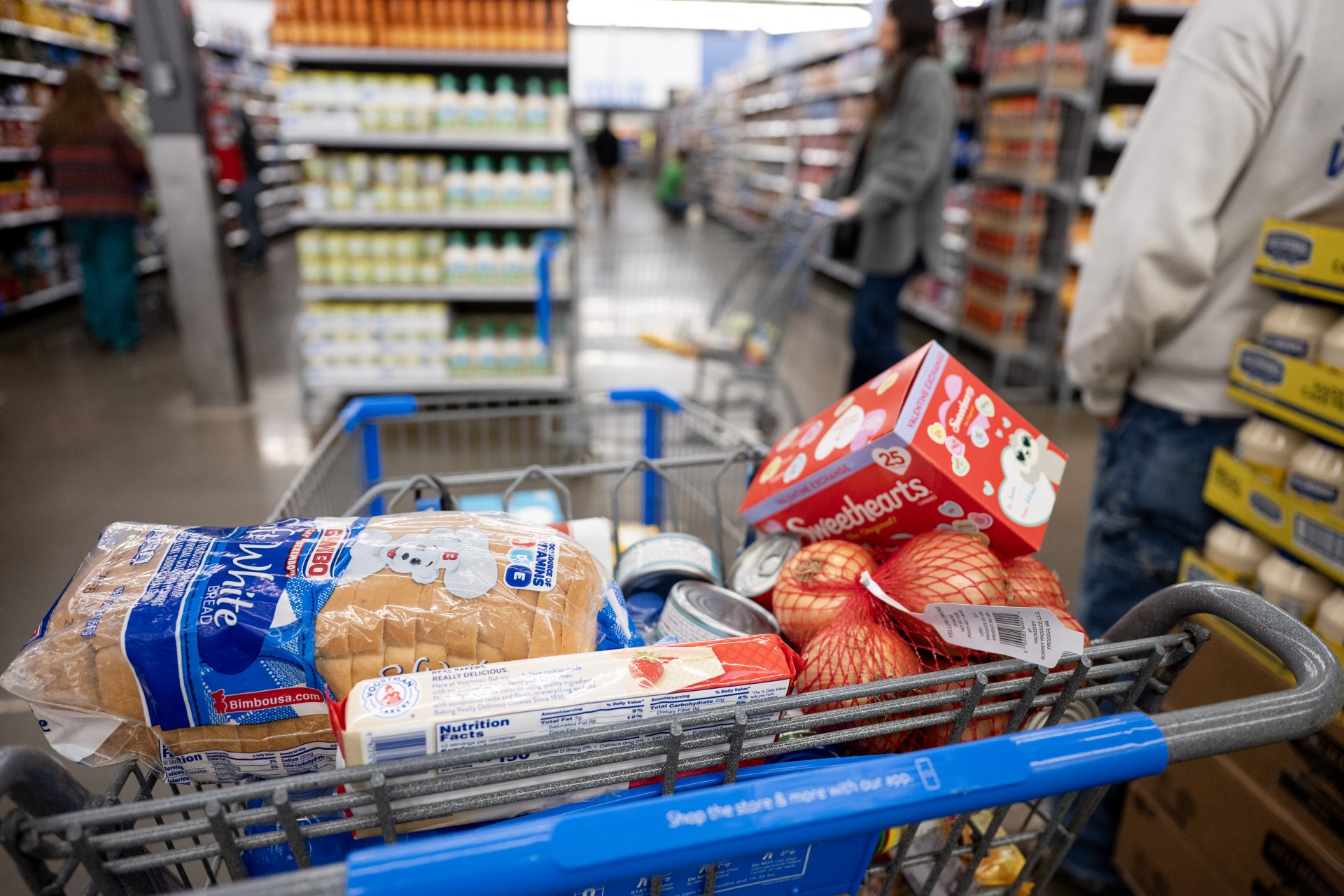
Most American households no longer pay sales tax on groceries, but shoppers in nine states still face an extra charge at the register for the same staple items. The disparity has drawn increasing scrutiny as economists and lawmakers highlight the burden on low-income families.
Oklahoma eliminated its 4.5% grocery tax in 2024, Kansas followed in 2025, and both Arkansas and Illinois dropped their versions this year. That leaves Alabama, Hawaii, Idaho, Mississippi, Missouri, South Dakota, Tennessee, Utah, and Virginia as the only states still collecting a statewide sales tax on food for home preparation. Virginia’s rate is the lowest at 1%, while Idaho’s 6% is the highest.

The tax is widely considered regressive, meaning it takes a larger share of income from poorer households. Research from the U.S. Department of Agriculture suggests that higher grocery taxes can push low-income families toward restaurant meals, which tend to be more calorie-dense and less nutritious than home-cooked food. Critics argue the policy effectively penalizes healthy eating.
For a family spending $200 weekly on groceries, Idaho’s 6% tax adds $12 per trip, or $624 annually, compared to tax-free Montana just across the border. Idaho offers a rebate of up to $155 per resident, or $250 with receipts, but that still leaves many households out of pocket.
Some states, like North Carolina and South Carolina, avoid a statewide grocery tax but allow local jurisdictions to impose their own. North Carolina’s legislature is currently weighing a bill to repeal the 2% local tax that still applies in many counties. The trend toward elimination has bipartisan support, as seen in Kansas and Oklahoma.
One major exception applies nationwide: food purchased with Supplemental Nutrition Assistance Program (SNAP) benefits is exempt from all state and local sales taxes by federal law. That provision softens the blow for the poorest shoppers but does not cover the broader population.
As grocery prices continue to climb—driven by factors like wheat production falling to 1972 levels—the push to scrap remaining grocery taxes may intensify. Lawmakers in several holdout states have introduced repeal bills, though none have advanced so far this year.
For now, residents of the nine taxed states face a persistent cost that their neighbors in 41 other states do not. The debate over whether to eliminate these levies is likely to remain a live issue in statehouses, particularly as voters feel the pinch of inflation.