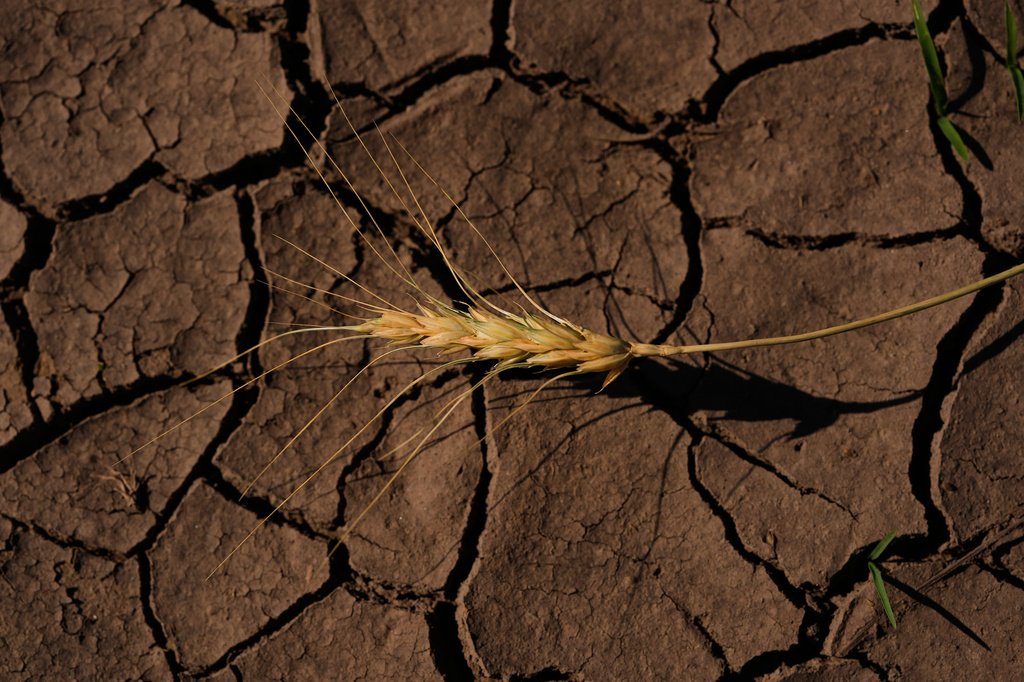
American wheat growers are staring down their worst harvest in more than half a century, a perfect storm of drought, erratic weather, surging fertilizer and diesel prices, and multiple crop viruses. The result: the smallest U.S. wheat crop since 1972, with production forecast at 1.56 billion bushels — a 21% drop from 2025, according to the U.S. Department of Agriculture.
“It’s a perfect storm of terrible conditions for wheat farmers this year,” said Todd Hubbs, a crop marketing specialist at Oklahoma State University Extension. Hard Red Winter wheat, the most widely grown class in the country, is projected at 515 million bushels — the lowest since 1957. Soft red winter and white wheat varieties are also seeing their smallest output in 6 to 10 years.

The supply squeeze is already raising alarms about grocery prices. While Hubbs doesn’t anticipate an immediate price shock, he warns that higher wheat costs will slowly work through the supply chain, adding to existing pressures from expensive packaging, fuel, and labor. “Large changes in wheat prices see moderate changes at the grocery store,” he said, but those moderate changes can accumulate.
Economists point to 2023 as a recent precedent, when a severe drought sent grain prices soaring and ultimately lifted Americans’ grocery bills. “These elevated prices rippled through the economy,” Teresa Kroeger, an economist at the Bureau of Labor Statistics, noted at the time. The same dynamic is at play now, with wheat price increases likely to hit flour, bread, pasta, cereals, and baked goods most directly.
But the impact doesn’t stop there. Wheat is also used in animal feed, so pricier grain can raise the cost of raising livestock. “This has downstream impacts on the supply and prices of beef, pork, poultry, eggs, and dairy products,” Kroeger explained. That means shoppers may see higher prices across the meat and dairy aisles as well.
Many of those other cost pressures are already mounting. This spring, a range of grocery staples saw their biggest price spikes in years, and experts warn conditions could worsen. In a bid to ease some of those costs, the Trump administration recently moved to roll back Biden-era refrigerant rules, a step officials say could lower grocery bills. But the impact of the wheat shortfall may offset any gains.
Hubbs stressed that wheat is just one ingredient in a complex food pricing system, and a single commodity rarely determines a family’s grocery budget. Still, the cumulative effect of rising input costs — from fertilizer to fuel to feed — is hard to ignore. “A price shock to grains can ripple through the stages of goods production,” Kroeger said. “When a food producer pays more for their inputs, these producers typically pass on some or all the price increases to their buyers.”
The USDA’s grim forecast underscores a broader challenge: American agriculture is increasingly vulnerable to extreme weather and supply chain disruptions, with consequences that extend from the farm to the dinner table.