Six Democratic senators launched a formal inquiry Thursday into two major tobacco companies, demanding a full accounting of their political contributions and communications with the Trump administration after the Food and Drug Administration abruptly relaxed restrictions on flavored vaping products.
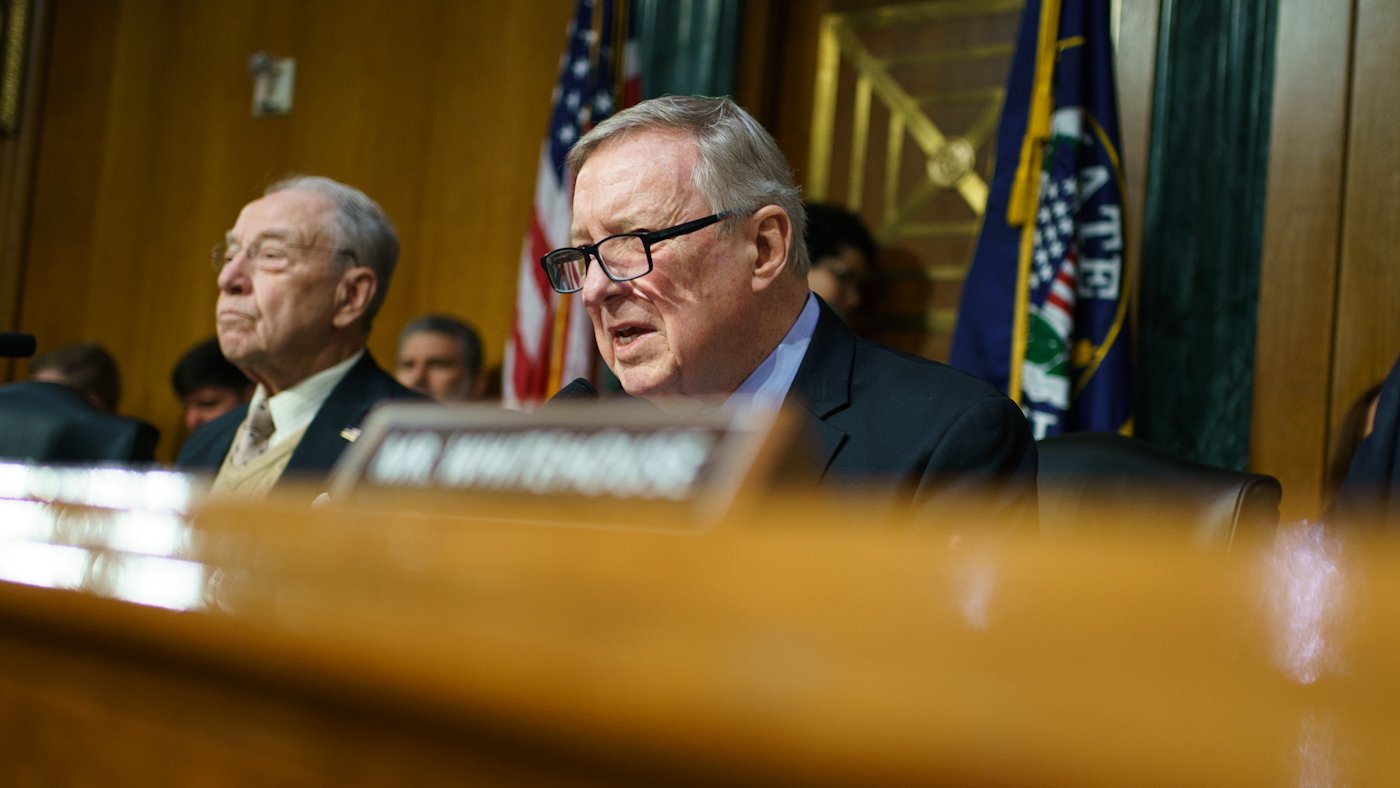
In letters sent to the CEOs of Reynolds American and Altria Group, the lawmakers accused the firms of leveraging donations to the White House ballroom project, the president’s campaign, and his 2025 inaugural fund to secure regulatory relief. The senators—Richard Blumenthal (Conn.), Dick Durbin (Ill.), Ed Markey (Mass.), Jeff Merkley (Ore.), Jack Reed (R.I.), and Elizabeth Warren (Mass.)—wrote that the pattern of giving “appears to have enabled tobacco manufacturers to circumvent federal law and unlawfully sell unauthorized e-cigarettes.”

Last month, the FDA granted marketing authorization to four flavored vaping products and issued new guidance allowing unauthorized devices to remain on the market. Previously, any e-cigarette sold without official approval was illegal. The reversal, critics say, opens the door to a flood of youth-friendly flavors and undermines years of anti-vaping enforcement.
The senators tied the policy shift directly to corporate donations. In the letter to Altria CEO Sal Mancuso, they pointed to the company’s contributions to Trump’s 2025 inaugural fund. “FDA’s abrupt reversal and decision to grant a free pass to addictive and harmful vapes will cause irreparable harm to children across the country and the agency’s independence from political influence,” the lawmakers wrote to Mancuso and Reynolds American CEO David Waterfield.
They added: “But for you and your shareholders, this was a lucrative payday after years of unsuccessful legislative and regulatory efforts to weaken federal tobacco oversight.”
The senators are demanding a “comprehensive” list of all e-cigarette products currently sold in the U.S., pending FDA applications, and those rejected by regulators. They also requested detailed records of all communications between company employees and the administration from January 1 through May 8, the date of the new FDA guidance. Additionally, they seek a full accounting of every donation or contribution made to Trump’s campaign, inauguration, affiliated political operations, or the ballroom project since November 2022.
The inquiry comes amid mounting evidence of the vaping epidemic’s toll on youth. According to the Centers for Disease Control and Prevention, e-cigarettes were the most commonly used tobacco product among middle and high school students in 2024, with more than 1.6 million young users. The CDC warns that most e-cigarettes contain nicotine, which can harm adolescent brain development, affecting attention, learning, mood, and impulse control.
Harold Wimmer, CEO of the American Lung Association, slammed the FDA’s updated guidance last month, warning it would fuel what he called the “youth vaping epidemic.” He urged state and local governments to continue banning all flavored tobacco products, noting that federal action has fallen short.
The lawmakers closed their letters with a pointed twist, using one of Trump’s signature phrases: “Thank you for your attention to this matter. We look forward to your response.”
The probe adds to a broader pattern of Democratic scrutiny over the administration’s ties to industry. Earlier this year, six GOP senators broke ranks to block the White House ballroom project, which had drawn donations from tobacco firms. Separately, Altman downplayed AI lobbying amid a Super PAC controversy, highlighting the intersection of corporate money and policy shifts.