A federal appeals court on Thursday temporarily halted a judge's order that would have forced the head of U.S. Customs and Border Protection (CBP) to testify next week about the government's handling of tariff refunds.
The Trump administration had appealed the directive, arguing that U.S. Court of International Trade Judge Richard Eaton overstepped his authority by compelling CBP Commissioner Rodney Scott to appear in his New York City courtroom on Tuesday. The U.S. Court of Appeals for the Federal Circuit issued an unsigned order pausing Scott's testimony while it reviews the administration's arguments.
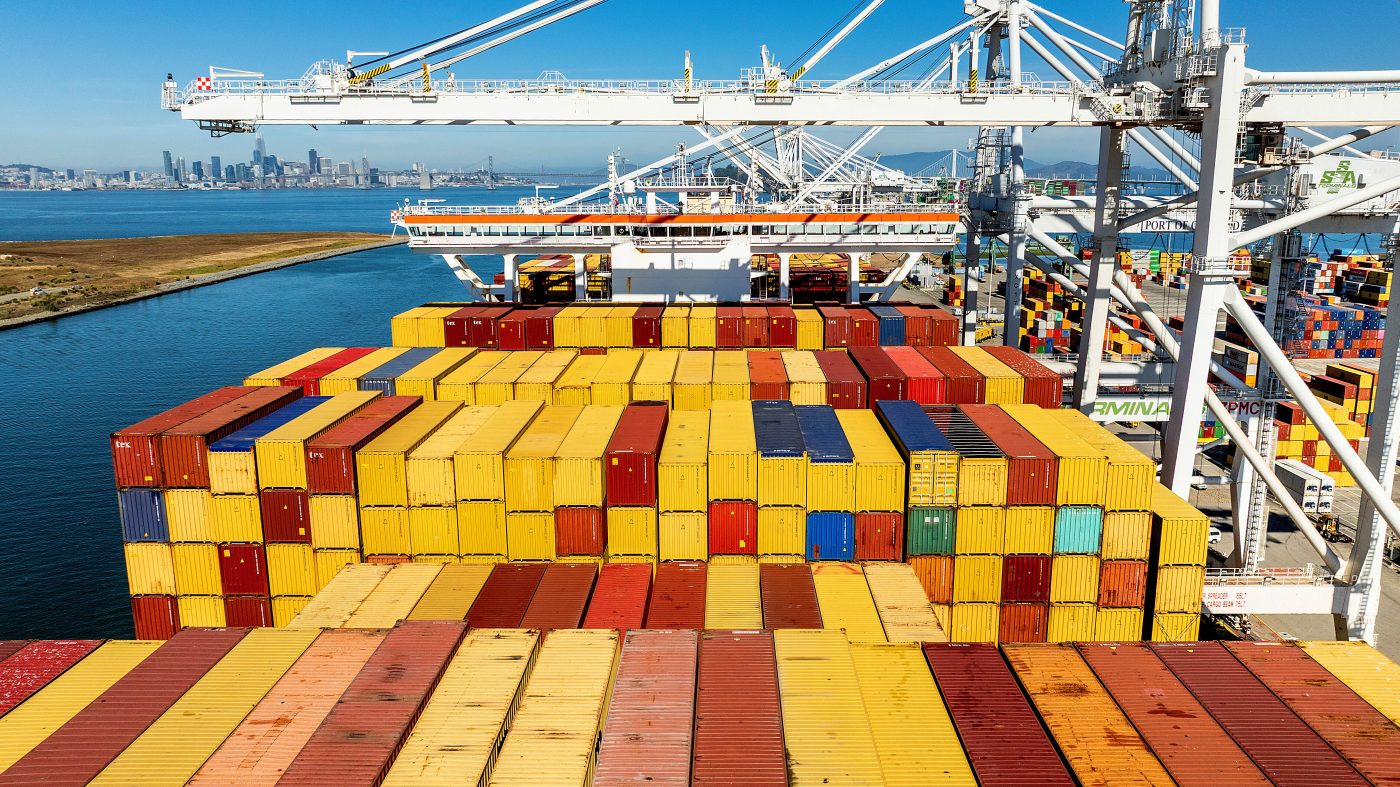
The case stems from the government's ongoing effort to refund tens of billions of dollars collected under emergency tariffs that the Supreme Court struck down earlier this year. Businesses began receiving refunds last month, and court filings show more than $20 billion has already been processed. However, the administration has recently started appealing the universal scope of Eaton's refund orders, raising questions about whether all importers—both large and small—will get their money back.
Judge Eaton has been overseeing the refund process through a series of closed-door hearings and expressed skepticism about the government's intentions. In a written order last week, he insisted Scott's testimony was critical. “Commissioner Scott's testimony is necessary to ascertain if it is the Government's policy to return all of the unlawfully collected duties either by complying with the court's order, or by some other means—that is, if it is the Government's policy to refund the duties to importers both large and small. There is $166 billion involved,” Eaton wrote.
The judge stood his ground even as the administration sought intervention from the Federal Circuit. In a letter to the government, Eaton defended his approach, saying the administration “has every reason to be proud” of its refund portal but that he disagreed with parts of its filing. He instructed the government to transmit a copy of his letter to the appeals court, adding, “which may want to consider these reasons why Commissioner Scott's presence is necessary.”
The dispute comes amid broader tensions over trade policy and the rule of law. The Canada pushes for 16-year USMCA renewal amid Trump tariff pressure, highlighting the ongoing friction in North American trade relations. Meanwhile, the Hill summit to tackle stagflation, tariffs, and AI spending amid midterms underscores how tariff policy remains a flashpoint in Washington.
Legal experts say the appeals court's decision to halt Scott's testimony—at least temporarily—gives the administration breathing room to argue that Eaton's order was too broad. The government has maintained that it is complying with court orders and that Scott's testimony is unnecessary. But Eaton has signaled he wants to ensure the refunds are being distributed fairly, not just to large corporations but to all affected importers.
The case is likely to intensify as the Federal Circuit weighs the administration's arguments. With $166 billion at stake, the outcome could have major implications for businesses still waiting for refunds and for the broader debate over executive authority in trade disputes.