Ceasefire Deadline Looms Over Uncertain Negotiations
With just two days remaining before a temporary ceasefire expires, diplomatic efforts to prevent a return to open conflict between the United States and Iran appear increasingly fragile. A planned high-level meeting in Islamabad, intended to secure an extension of the truce, is now shrouded in uncertainty as Iranian officials have yet to publicly commit to attending.
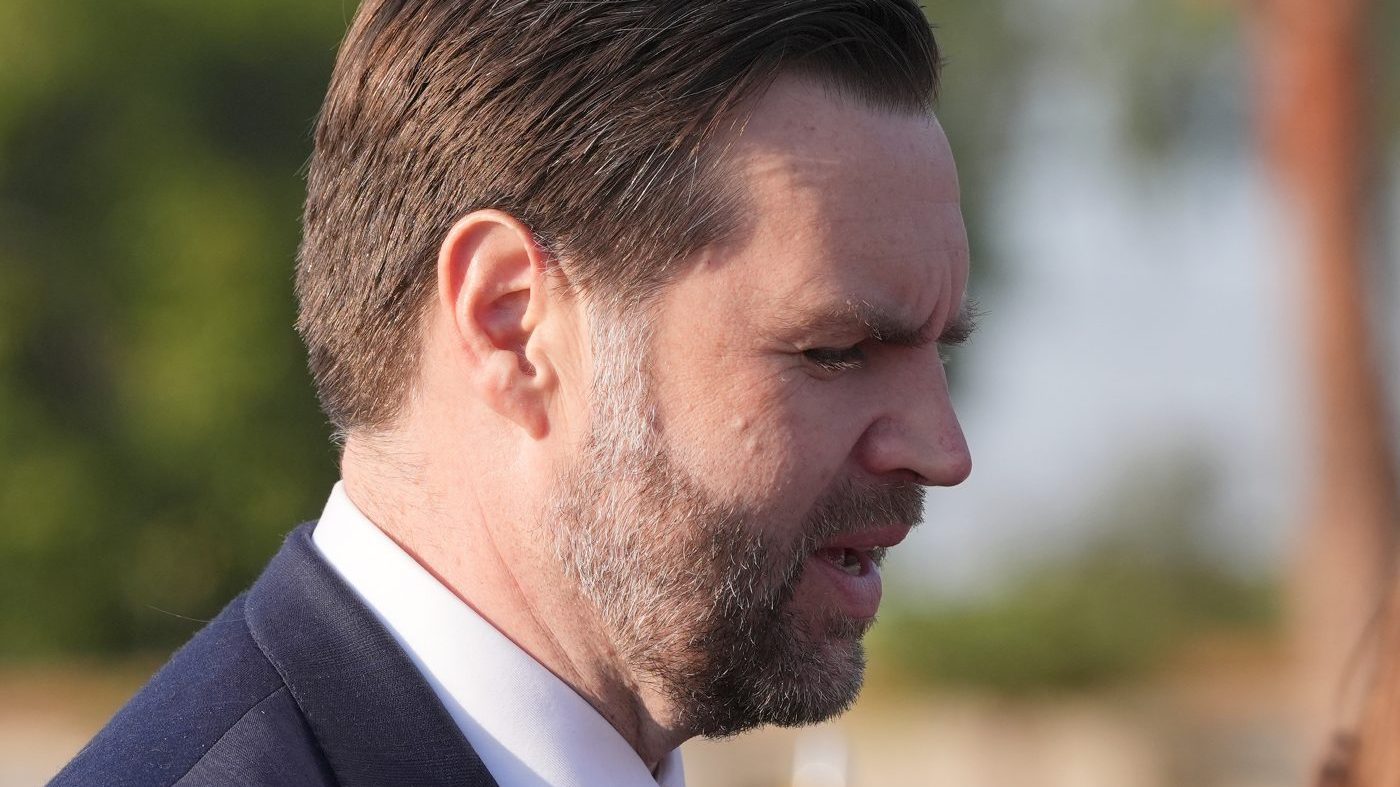
President Trump has dispatched a high-profile delegation, including Vice President J.D. Vance, special envoy Steve Witkoff, and advisor Jared Kushner. Vance is scheduled to arrive in Pakistan on Wednesday, but it remains unclear whether Iranian counterparts will be present. This diplomatic standoff comes as the White House faces intense pressure over massive defense budget requests tied to regional instability.
Tehran's Defiant Posture and Internal Questions
Iran's lead negotiator, Parliament Speaker Mohammad Bagher Ghalibaf, signaled a hardline stance in a social media post on Monday. "We do not accept negotiations under the shadow of threats," Ghalibaf wrote, adding that Tehran had "prepared to reveal new cards on the battlefield" over the preceding fortnight. This rhetoric underscores the significant leverage Iran holds through its continued closure of the Strait of Hormuz, which has triggered global oil price spikes and domestic political pressure in the U.S. ahead of midterm elections.
Compounding the diplomatic challenge are questions about Iran's internal leadership. Supreme Leader Mojtaba Khamenei, who succeeded his father after the elder Khamenei was killed in initial U.S.-Israeli strikes, has not been seen publicly. Rumors persist of serious injury, with the younger Khamenei communicating solely through written statements. The nation's negotiating team is effectively led by Ghalibaf and Foreign Minister Abbas Araghchi.
Trump's Ultimatum and the Stakes of Failure
President Trump has issued a stark ultimatum, rejecting a simple extension of the ceasefire that began on April 8. He demands Iran sign an agreement permanently blocking its pathway to a nuclear weapon. In a TruthSocial post on Monday, Trump implored Iranian leaders to make a deal, suggesting "Iran can have a great and prosperous future" under new leadership—a clear reference to his regime change aspirations.
In interviews with Bloomberg and PBS, the President was unequivocal about the consequences of failure. He stated it was "highly unlikely" he would extend the ceasefire beyond Wednesday evening Washington time, warning that "lots of bombs start going off" in Iran if the deadline passes without a deal. This bellicose posture occurs alongside contentious domestic budget debates where massive defense spending increases are being justified by such international threats.
Analyst Perspective and Broader Context
Regional analysts note that Iran's mixed signals may reflect tactical maneuvering rather than a fundamental divergence in strategic goals. The regime appears to be calculating that time and economic pressure, via the Strait of Hormuz blockade, work in its favor. This waiting game tests the resolve of a U.S. administration simultaneously grappling with internal military leadership challenges and congressional scrutiny over defense priorities.
The impending deadline sets the stage for a pivotal 48 hours in international security. A collapse of talks would likely trigger a rapid escalation of military action, with profound implications for global energy markets and regional stability. Conversely, a last-minute diplomatic breakthrough, while appearing less probable by the hour, would avert an immediate crisis but leave underlying tensions unresolved. The world watches Islamabad, where the absence or presence of Iranian officials will signal the next chapter in this protracted confrontation.