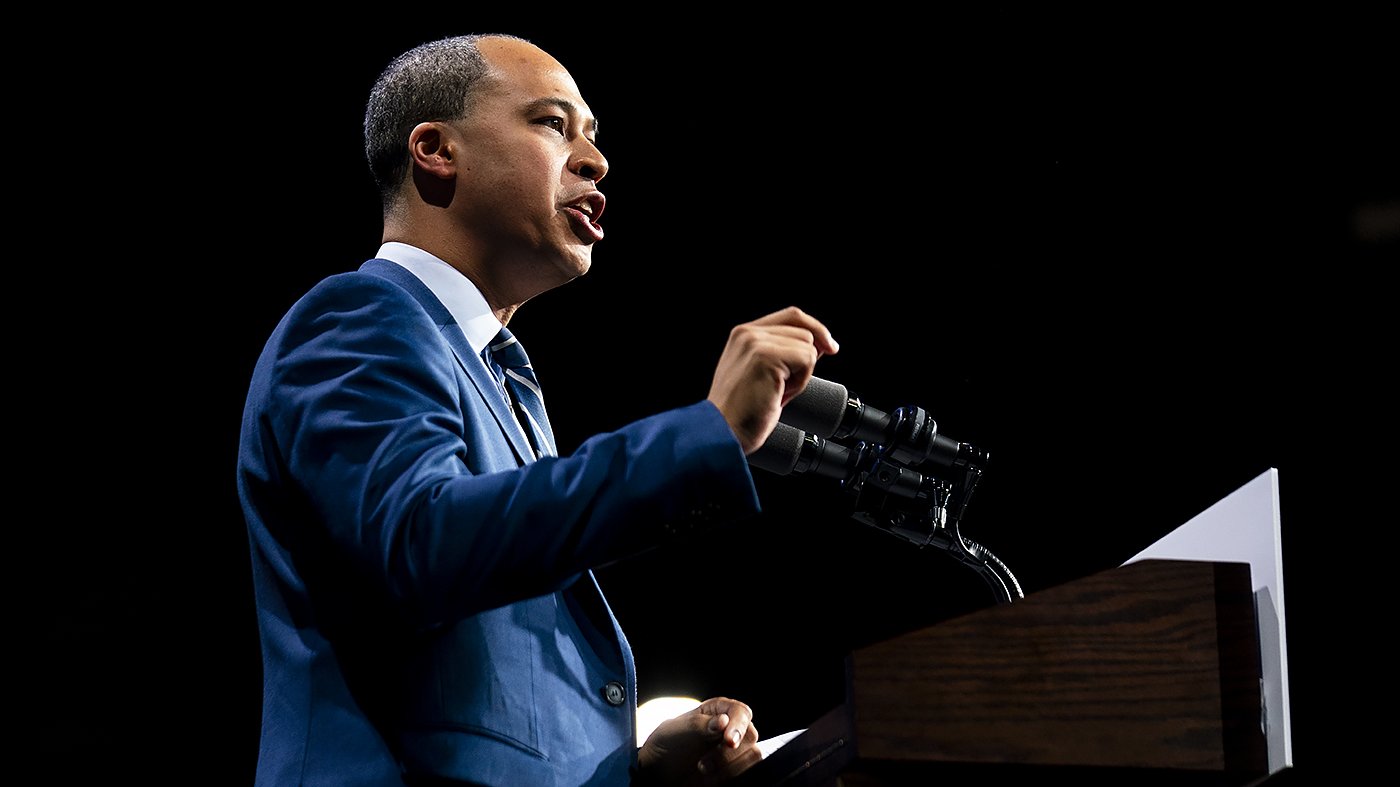
Virginia's political landscape was thrown into uncertainty Wednesday after a state judge blocked a voter-approved constitutional amendment on congressional redistricting. The injunction, issued by Tazewell County Circuit Court Judge Jack Hurley Jr., prompted an immediate pledge from Democratic Attorney General Jay Jones to appeal to the Virginia Supreme Court.
Legal Battle Over Voter-Approved Measure
Judge Hurley ruled the referendum unconstitutional, siding with arguments presented by the Republican National Committee. The judge had previously attempted to block the April referendum in February, challenging both its timing and the specific wording of the ballot question presented to voters. Despite these earlier efforts, the state Supreme Court allowed the referendum to proceed, though it declined to issue a substantive opinion on the measure's merits at that time.
"As I said last night, Virginia voters have spoken, and an activist judge should not have veto power over the People's vote," Jones stated on the social platform X. "We look forward to defending the outcome of last night's election in court." The attorney general's appeal seeks to overturn what he characterized as judicial overreach against a democratically decided measure.
Narrow Victory and Political Stakes
Unofficial results from the Virginia Department of Elections show the referendum passed with 51% support, a narrow margin reflecting the state's deeply divided political climate. The approved amendment would temporarily alter the state constitution to grant Democrats authority to redraw congressional boundaries in all but one of Virginia's House districts. This procedural shift could significantly impact the balance of power, potentially strengthening the Democratic Party's current 6-5 edge in the state's congressional delegation ahead of November's midterm elections.
The Virginia redistricting effort represents a strategic countermove by Democrats, who viewed it as a final opportunity to influence congressional maps before the midterms. This action follows similar partisan redistricting initiatives in both Republican and Democratic-led states, including Florida's contentious GOP-led remapping and California's voter-approved Democratic plan.
National Reactions and Democratic Dissent
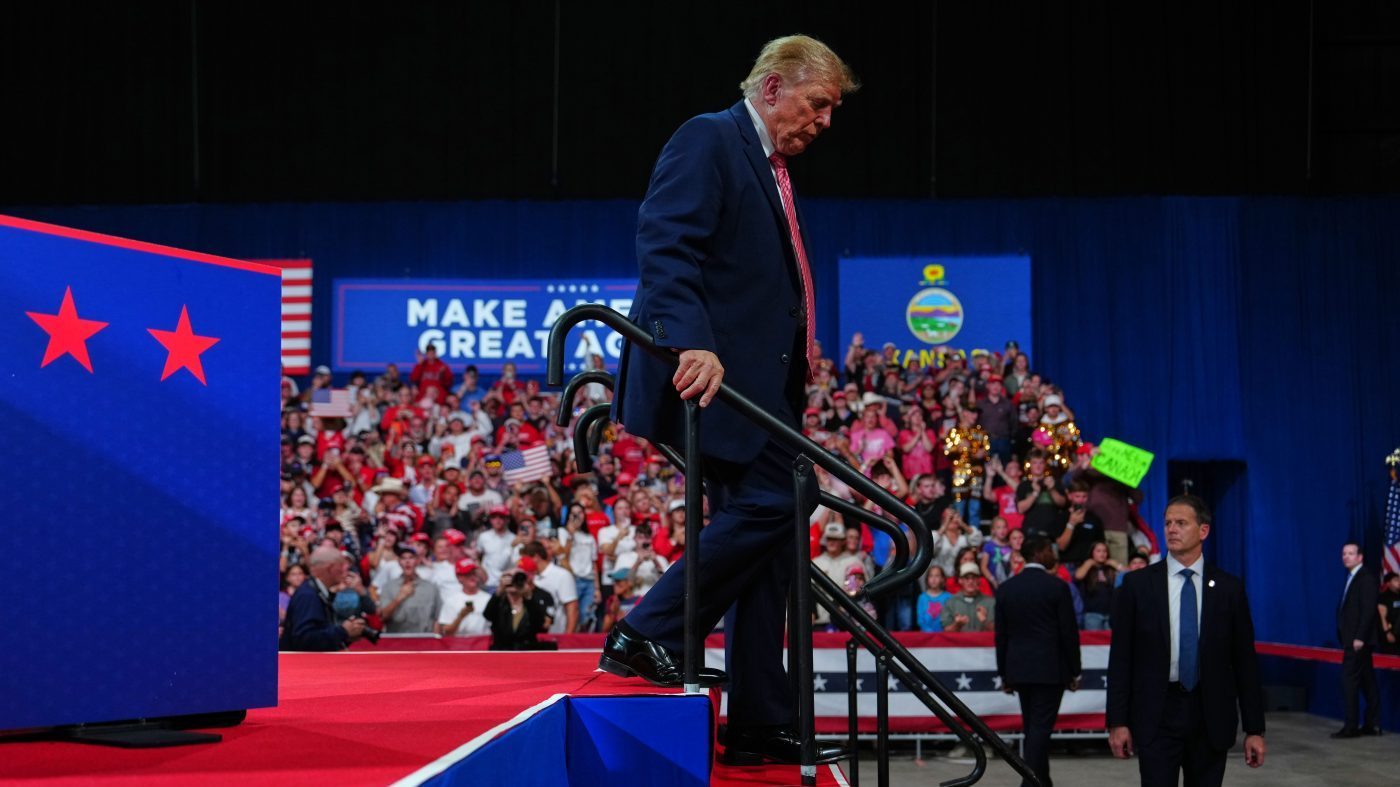
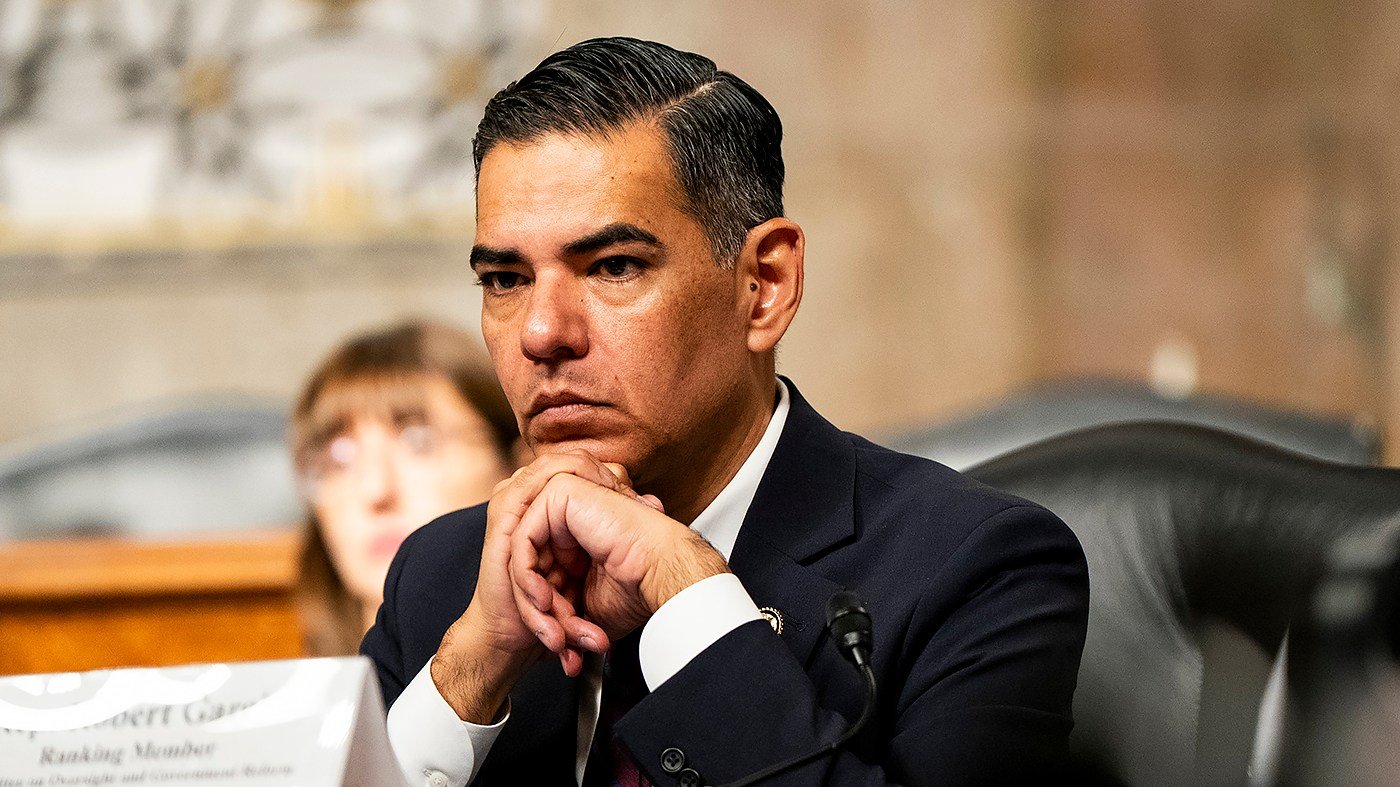
Former President Donald Trump quickly denounced the referendum's initial passage, calling the process "rigged." Meanwhile, notable criticism emerged from within Democratic ranks. Senator John Fetterman of Pennsylvania expressed dismay at the outcome, telling NewsNation that "everyone loses" in such partisan cartography battles. Fetterman argued the move degrades democracy, suggesting that retaliatory redistricting by either party ultimately weakens the political system.
"I understand this was all that started after Texas decided to kind of do the same thing. I mean, I get the logic to do the things, but overall, we all lose at this point," Fetterman stated. "The wrong thing doesn't make it the right thing, but that's where we are. And if we continue to just attack the other side, whether it's a red state or whether it's a blue state, our democracy is degraded."
Broader Redistricting Context
The Virginia case occurs amid a national wave of redistricting litigation and partisan map-drawing. The state Supreme Court had twice permitted the referendum to advance, noting last month that while it might eventually need to address procedural aspects, "issuing an injunction to keep Virginians from the polls is not the proper way to make this decision." This judicial restraint contrasts sharply with Judge Hurley's recent intervention.
Democrats have positioned Virginia as a critical front in the national redistricting war, particularly after Republican successes in states like Texas. The outcome of this legal appeal could determine whether Democrats gain a crucial advantage in their quest to secure a House majority, making this case a focal point for national party strategy. As seen in Florida's internal GOP conflicts over redistricting, these battles often create significant intra-party tensions alongside the expected partisan clashes.
The appeal process now moves to the Virginia Supreme Court, where the justices must decide whether to uphold the will of the electorate or affirm the lower court's constitutional concerns. Their decision will not only shape Virginia's congressional map but could also influence the national redistricting landscape ahead of a pivotal election cycle.