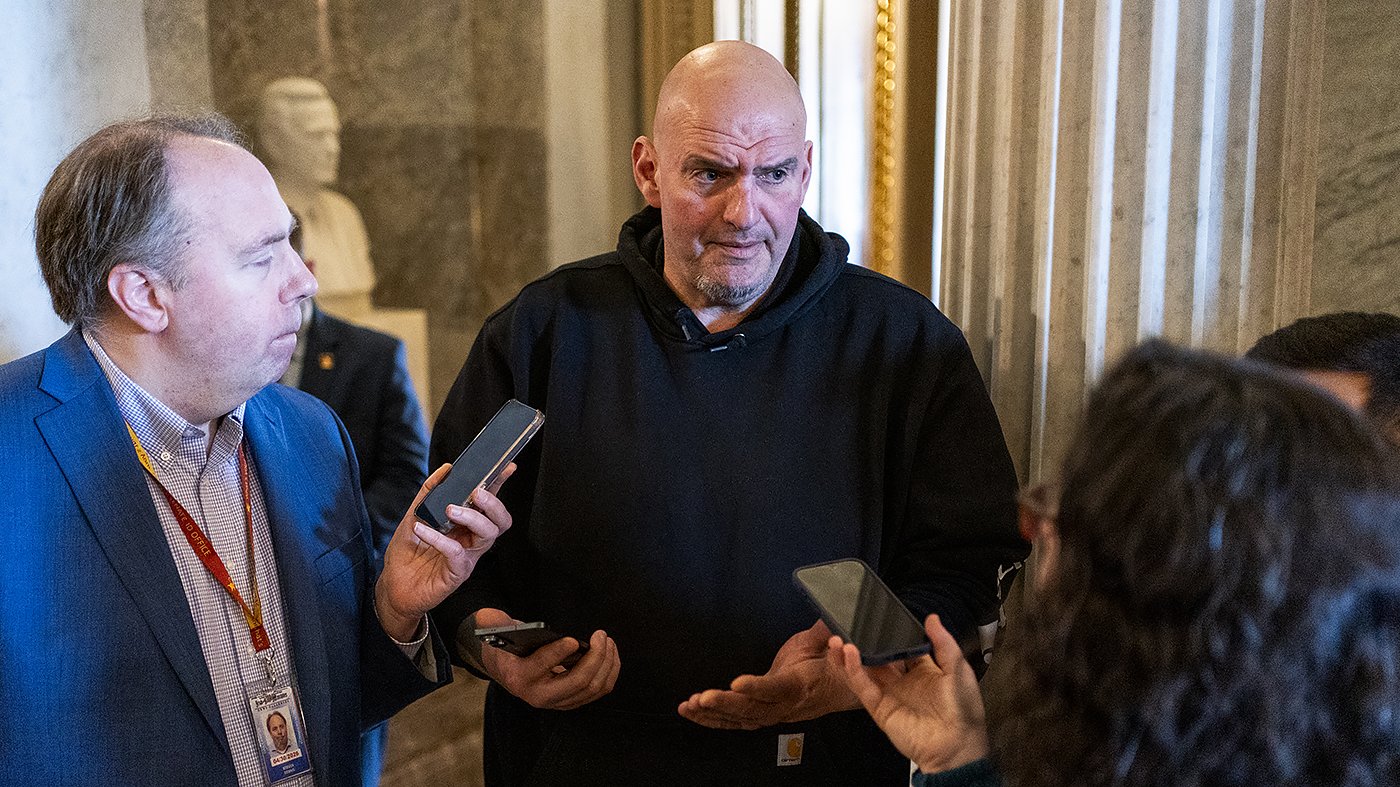
Senator John Fetterman (D-PA) expressed sharp criticism of his own party's electoral tactics Tuesday, labeling a successful Democratic redistricting initiative in Virginia as a collective defeat for American politics. During an interview on NewsNation's "Cuomo," Fetterman reacted to news of the ballot measure's passage by stating, "We all lose at this point."
A Tit-for-Tat Cycle
Fetterman acknowledged the political logic behind the move, noting it was a direct response to aggressive Republican gerrymandering in states like Texas. "I understand this all started after Texas decided to kind of do the same thing. I mean, I get the logic to do the things, but overall, we all lose at this point," he told host Chris Cuomo. The senator framed the situation as a destructive cycle where "two wrongs don't make a right."
He issued a broader warning about the state of U.S. democracy, arguing that the practice of partisan map-drawing ultimately weakens the political system. "The wrong thing doesn't make it the right thing, but that's where we are. And if we continue to just attack the other side, whether it's a red state or whether it's a blue state, our democracy is degraded," Fetterman said.
The Virginia Measure
The referendum passed narrowly, with 51% of Virginia voters approving the measure that allows state Democrats to redraw congressional boundaries. The new map could potentially grant Democrats control of 10 of Virginia's 11 U.S. House seats, expanding their current 6-5 majority in the delegation. This strategic reshaping of the electoral battlefield is designed to last until after the 2030 census, after which an independent commission would resume control of the process.
House Democratic Leader Hakeem Jeffries (D-NY) celebrated the outcome as a necessary countermove. In a statement, Jeffries connected the Virginia effort to former President Donald Trump's influence, saying, "Last July, Donald Trump demanded that Texas draw five new Republican seats in the middle of a decade, igniting a chain reaction of corrupt MAGA state legislators attempting to rig the midterm elections. While many expected Democrats to roll over and play dead, we did the opposite."
Broader Political Context
Fetterman's dissent highlights a growing internal debate within the Democratic Party about electoral strategy and democratic norms. His comments arrive as both parties engage in high-stakes redistricting battles nationwide, with control of the narrowly divided House of Representatives hanging in the balance. The Pennsylvania senator, known for his unorthodox style, has previously broken with party leadership on issues including border policy and the Israeli-Palestinian conflict.
The Virginia result demonstrates how state-level ballot initiatives have become critical weapons in the national fight for congressional power. This victory provides Democrats a significant structural advantage in a key battleground state, potentially delivering additional seats that could prove decisive in future House majorities. The move reflects a calculated decision to adopt aggressive tactics historically associated with Republican state legislatures.
Fetterman's critique underscores a tension between short-term electoral gains and long-term institutional health. As redistricting wars intensify, his warning suggests that victories achieved through gerrymandering may come at a profound cost to public trust and representative government, regardless of which party implements them.