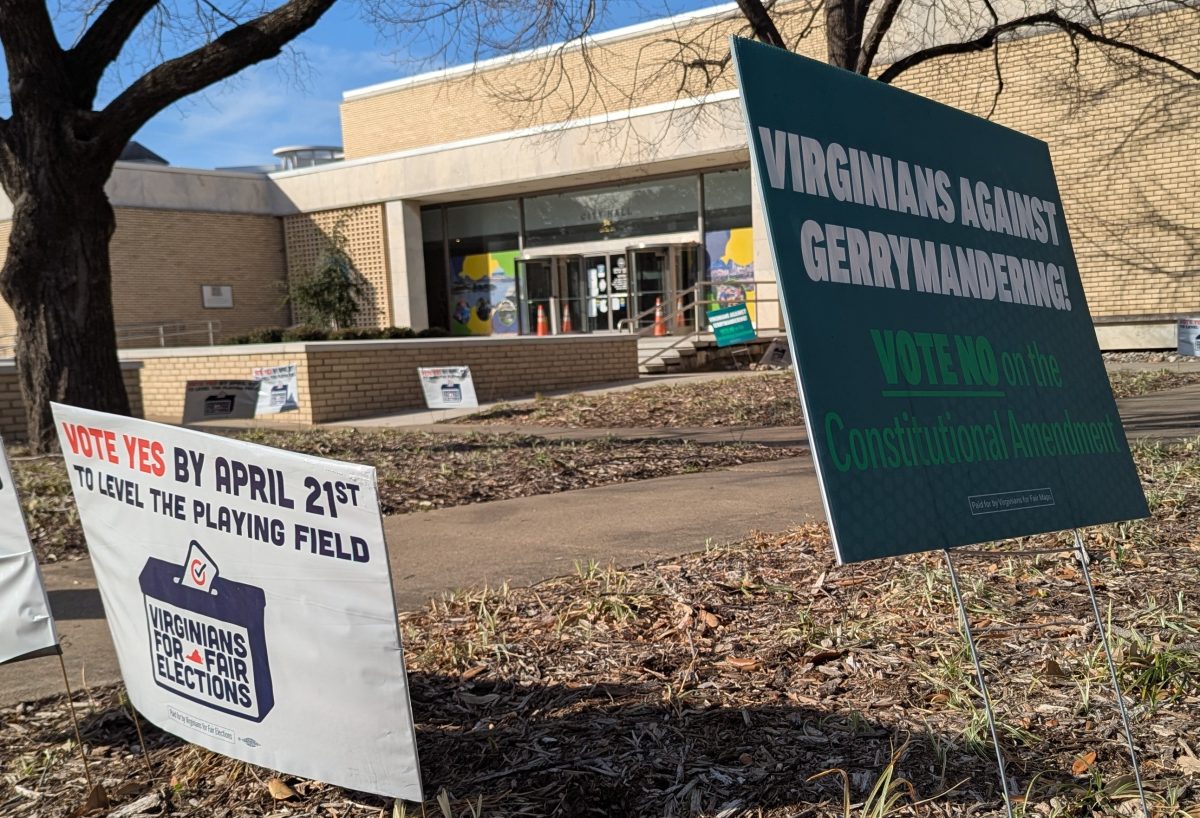
Voters in Virginia are heading to the polls Tuesday to decide a constitutional amendment that would authorize a rare mid-decade redrawing of congressional district boundaries, a move with significant potential to alter the balance of power in the U.S. House of Representatives. The referendum, which requires a simple majority to pass, would bypass the state's established bipartisan redistricting commission and enact maps drafted by the Democratic-controlled state legislature.
National Redistricting Battle Comes to Virginia
The Virginia vote represents the latest escalation in a nationwide partisan conflict over district lines, traditionally redrawn only once per decade following the census. Last year, former President Donald Trump urged Republican-led states to pursue mid-decade redistricting to bolster GOP chances in upcoming elections. States like North Carolina, Texas, Missouri, and Ohio have already adopted new maps favorable to Republicans, who estimate they could gain up to nine additional House seats from these efforts.

Democratic-leaning states have responded in kind. California voters approved districts expected to help Democrats secure five more seats, while court-ordered maps in Utah could flip a Republican-held district. The Virginia proposal, if approved, would directly counter the Republican strategy by making four districts currently represented by Republicans more competitive for Democratic candidates. This comes as the GOP's House majority has recently narrowed, increasing the value of every potential seat flip.
The Stakes for Virginia's Congressional Map
Under the current court-imposed maps from 2021, Democrats hold six of Virginia's eleven U.S. House seats. The proposed new districts, which would remain in effect through the 2032 elections, are designed to improve Democratic prospects in four specific Republican-held districts. This strategic redrawing tests Democrats' ability to mobilize their base in an off-year special election focused on procedural mechanics rather than candidate personalities.
The single ballot question asks voters: "Should the Constitution of Virginia be amended to allow the General Assembly to temporarily adopt new congressional districts to restore fairness in the upcoming elections, while ensuring Virginia's standard redistricting process resumes for all future redistricting after the 2030 census?" A "yes" vote implements the new maps for the next three election cycles; a "no" vote maintains the existing districts until after the next census.
Voter Sentiment and Legal Challenges
Interviews with voters reveal divided perspectives on the national political implications versus local representation. "I think the redistricting issue across the country is unfortunate, that we've had to resort to temporary redistricting in order to sort of alter our elections across the country," said Matt Wallace, 31, who voted for the amendment to "help balance the scales." In contrast, Joanna Miller, 29, voted against the measure, stating, "I want my vote to count in a fair way... I want my vote and my representation to matter this fall."
Even if the referendum passes, its implementation faces immediate legal jeopardy. The Virginia Supreme Court is currently considering whether the legislature's redistricting plan violates state constitutional provisions, a case that could render the public vote moot. This legal uncertainty mirrors the contentious environment surrounding election procedures nationwide, as seen in recent events like Michigan's defiance of federal ballot demands.
Broader Political Context
The Virginia redistricting fight occurs against a backdrop of intense Democratic focus on maintaining congressional cohesion and advancing policy priorities. The party faces internal challenges on multiple fronts, from managing divisions over foreign policy deadlines to debates over economic proposals like wealth tax legislation facing practical hurdles. Gaining additional House seats through redistricting would provide crucial votes for a narrow Democratic majority.
The referendum has drawn national attention, with former President Trump and House Speaker Mike Johnson headlining a virtual rally urging its defeat. The outcome will signal whether voters in a key swing state accept mid-decade redistricting as a legitimate political countermeasure or reject it as norm-breaking manipulation. With control of Congress potentially hinging on a handful of seats, Virginia's decision carries weight far beyond its borders, setting a precedent other states may follow in the escalating battle over the fundamental architecture of American elections.