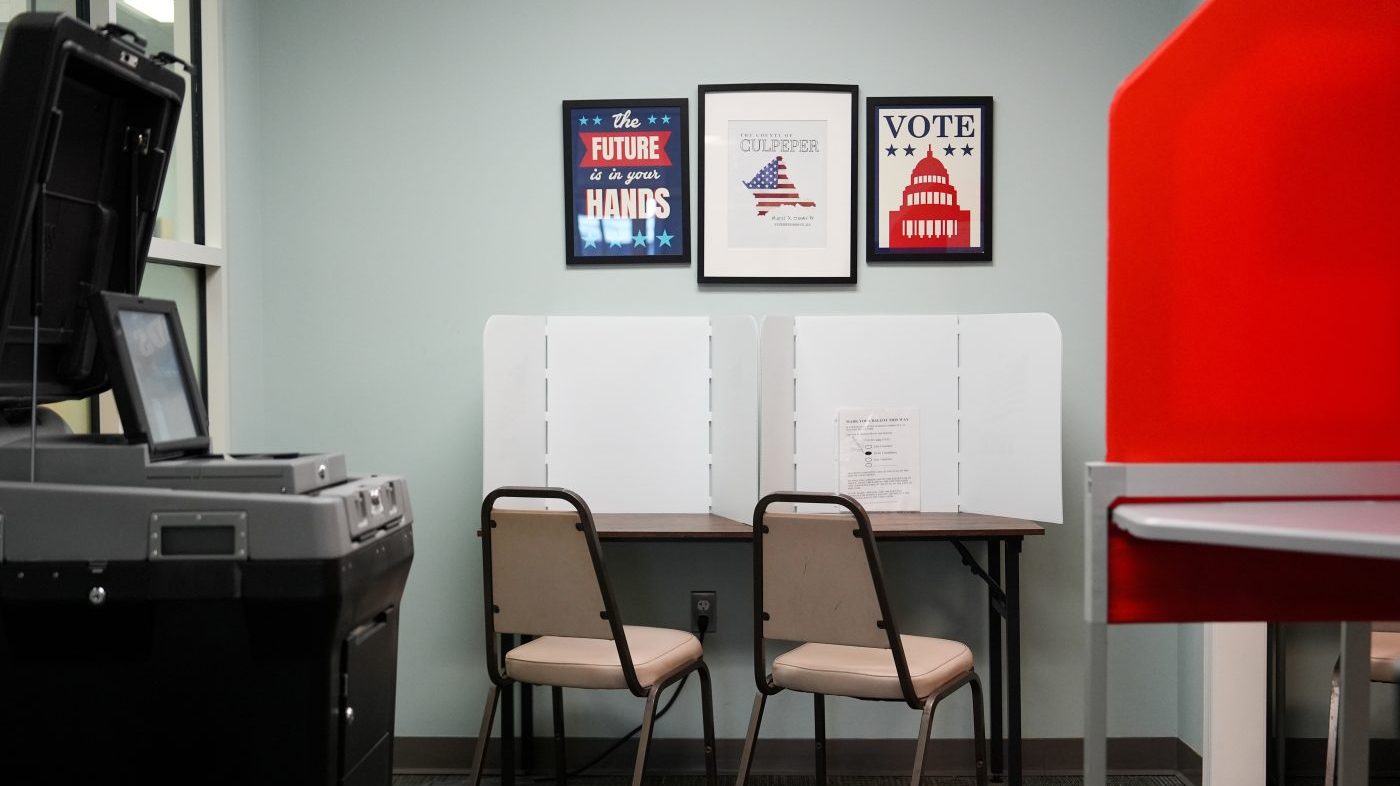
Voters across Virginia are heading to the polls Tuesday for a special election that could fundamentally alter the state's congressional districts just months before the November midterms. The referendum represents a direct political maneuver with national implications, allowing for a mid-decade redrawing of electoral maps.
A Final Strategic Gambit
This vote marks what analysts describe as the last viable chance for national Democrats to implement favorable redistricting before the fall elections. The push follows a series of state-level redistricting battles, including the contentious process in Texas initiated last year by former President Donald Trump. A successful referendum in Virginia would counter Republican gains elsewhere and could significantly impact the balance of power in the closely divided U.S. House of Representatives.

If approved, the constitutional amendment would authorize the immediate creation of new congressional boundaries. Democratic strategists project the party could gain as many as four additional House seats from Virginia alone, a substantial shift in a chamber currently controlled by a narrow Republican majority. The outcome will test the strength of Democratic organizing in a key battleground state.
High-Stakes Political Theater
The campaign surrounding the measure has drawn intense national attention and financial investment. Outside political groups have flooded the state with nearly $100 million in spending, making it one of the most expensive down-ballot fights this cycle. Both parties have deployed their most prominent figures to rally supporters, with former President Barack Obama recording appeals for passage and Donald Trump headlining virtual events urging its defeat alongside other Republican leaders.
The referendum has become a proxy war in the broader national struggle over electoral maps. Its timing—an unusual April election—reflects the urgency both parties attach to the outcome. Political operatives acknowledge that this represents a final opportunity to change the congressional map before voters nationwide decide control of Congress in November.
Broader Political Context
The Virginia fight occurs against a backdrop of other pressing national concerns that could influence midterm voter behavior. The Biden administration faces internal divisions over energy policy and gas prices, while international tensions add complexity to the domestic political landscape. Economic factors including housing costs and Federal Reserve policy further shape the environment in which this redistricting battle unfolds.
Public opinion on related issues may also play a role in voter turnout and sentiment. Recent surveys indicate many Americans hold political leaders accountable for economic conditions, with a majority blaming the previous administration for current price increases. How these broader perceptions affect a technically complex referendum about district lines remains uncertain.
What Happens Next
Polls close across Virginia at 7 p.m. Eastern Time. Election officials expect results to begin arriving shortly thereafter, with the outcome potentially clear by late Tuesday night. Given the significant political investment from both sides, the margin is expected to be narrow regardless of which position prevails.
The decision will have immediate consequences for congressional candidates already campaigning under current district boundaries. A successful referendum would trigger a rapid redrawing process, creating uncertainty for incumbents and challengers alike in several competitive districts. The result will also signal Democratic organizational strength in a state that has trended blue in recent presidential elections but remains competitive in down-ballot races.
Beyond Virginia, the referendum's outcome will influence national redistricting strategy and provide a testing ground for voter mobilization tactics ahead of the full midterm election cycle. A Democratic victory would demonstrate the party's ability to win complex policy fights in purple states, while a defeat would represent a significant setback in their efforts to counteract Republican map advantages.