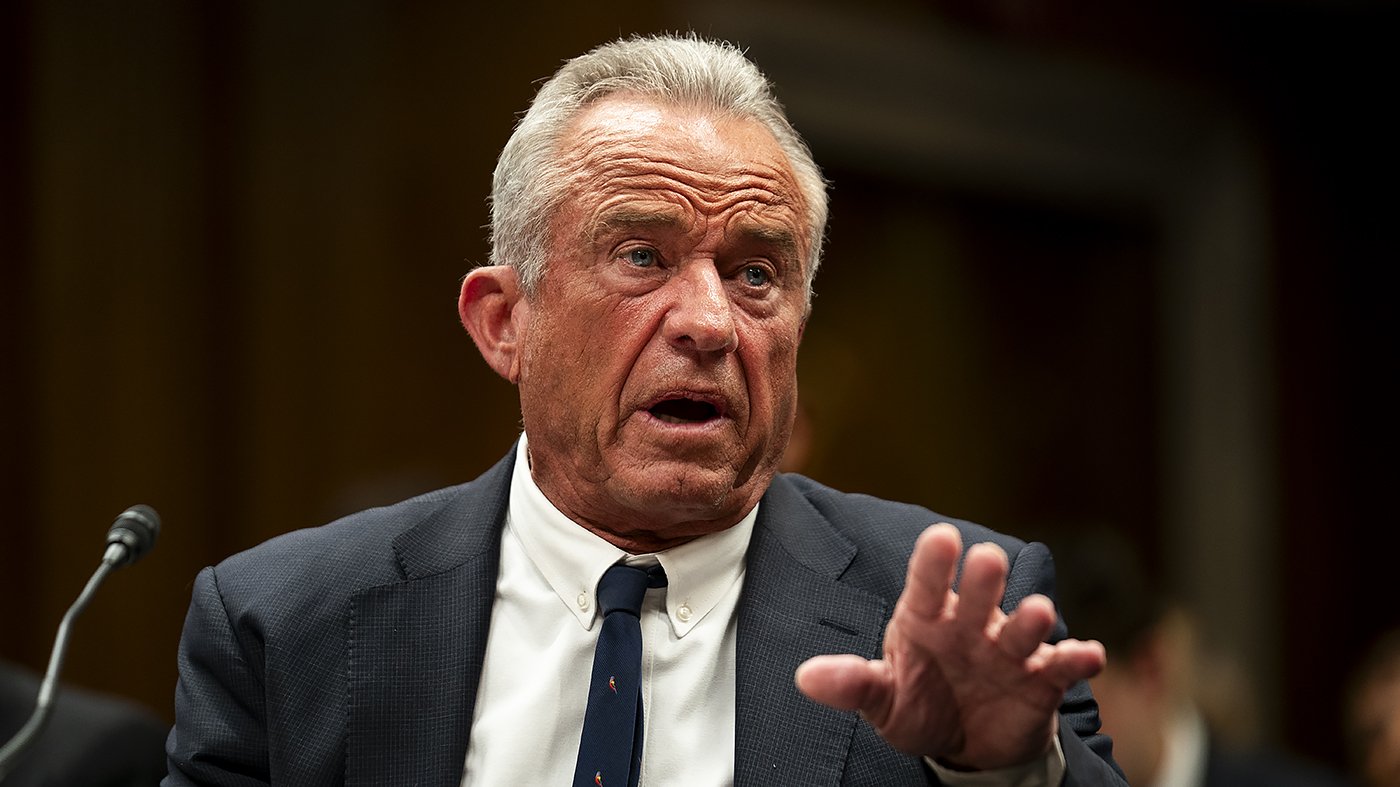
Health and Human Services Secretary Robert F. Kennedy Jr. flatly denied Tuesday that the Trump White House has pressured him to temper his longstanding vaccine skepticism, even as evidence mounts of a strategic administration shift away from the contentious issue ahead of the November elections.
Under direct questioning from Rep. Marc Veasey (D-Texas) during a House hearing, Kennedy stated that neither White House Chief of Staff Susie Wiles nor any other administration official instructed him to stop discussing vaccines. "No," was his simple reply. This denial stands in stark contrast to multiple reports from within the administration suggesting aides have sought to restrain the secretary's public commentary on immunization, viewing it as politically damaging with moderate and swing voters.

A Strategic Pivot in Public Messaging
Kennedy's recent public appearances suggest a notable shift in emphasis, regardless of the claimed lack of direct pressure. In his opening remarks during a series of recent budget hearings, the secretary made no mention of vaccines, instead highlighting food initiatives and the administration's 'Most Favored Nation' drug pricing rule. His new podcast debuted with an episode focused on the U.S. food system with a celebrity chef, not on public health immunization.
Simultaneously, White House Senior Advisor Calley Means, a key Kennedy ally, acknowledged "ongoing conversations about where to prioritize" when asked about vaccine messaging at a Politico summit. Means dismissed the notion of being told to "lay off" vaccines but criticized media coverage for amplifying "anti-vaccine headlines."
Polling Drives Political Calculus
The apparent recalibration follows internal Republican polling that reveals a political vulnerability. A memo from GOP firm Fabrizio Ward, cited by Veasey, warned that while skepticism exists around COVID-19 vaccines, Republican voters broadly support routine immunizations like MMR and TDAP. The memo stressed that "support for vaccines is sky-high among Swing voters," a critical demographic in tight elections. Kennedy stated he was unaware of this specific memo.
Recent public surveys underscore the challenge. A poll from the group 314 Action found 69% of voters trust "vaccines in general," while only 40% said they trust Kennedy on public health matters. This trust deficit formed the core of Democratic attacks during the hearing.
Democratic Accusations of a Political Charade
Democrats were unconvinced by Kennedy's denials, accusing him of a politically convenient silence. "Conveniently, since the White House received this memo, it seems that you are miraculously no longer an anti-vaxxer," Veasey charged. "You and I both know what is going on here. You have absolutely not had a change of heart."
Rep. Debbie Dingell (D-Mich.) delivered a pointed critique, linking Kennedy's past rhetoric to tangible public health consequences. She described constituents who contracted preventable illnesses after forgoing vaccines due to federal messaging. "You may think that you're pro-vaccine, but people aren't hearing that," Dingell said, also criticizing his appointment of vaccine-skeptic officials. This hearing is part of a broader pattern of contentious exchanges between Kennedy and congressional Democrats.
Throughout the session, Kennedy maintained he has "never" been anti-vaccine. The White House, when asked about speculation it had reined in the secretary, provided a generic statement: "The Trump administration's focus has always been the same: Make America Healthy Again."
The episode highlights the administration's delicate balancing act: managing the influence of a cabinet secretary whose views energize a segment of the base while mitigating damage with the broader electorate. This political pressure extends beyond health policy, mirroring strategic calculations seen in other areas, such as the Justice Department's focus on meat prices ahead of the midterms. The controversy also comes as the administration attempts a broader pivot on public health leadership, nominating a veteran to lead the CDC.