Housing Market Sees Sustained Rate Relief
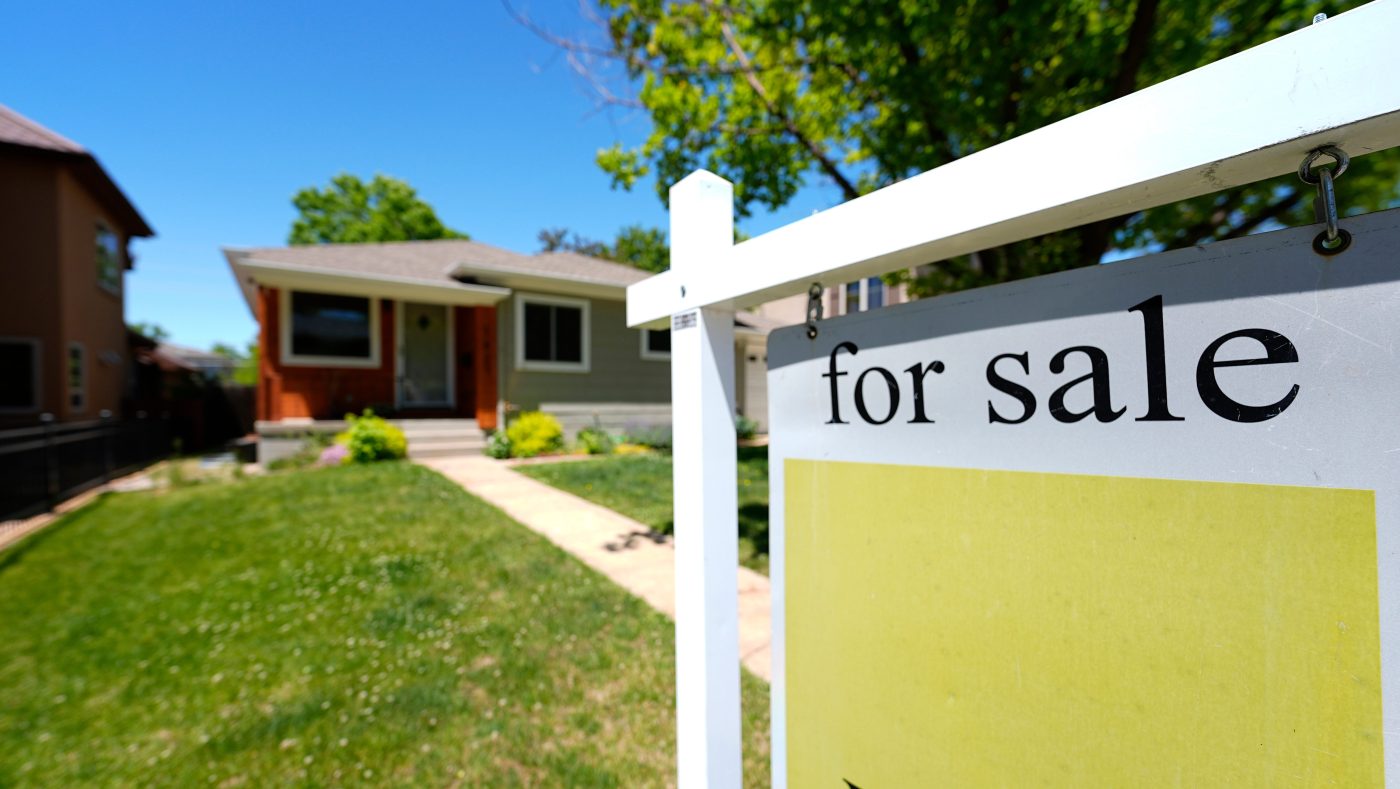
Benchmark mortgage rates have stabilized below the 7% mark, maintaining a position reached after a recent four-week low. Current data from Bankrate shows the national average for a standard 30-year fixed mortgage at 6.36%, while the average for a 15-year loan stands at 5.73%. This period of relative affordability follows a notable shift in February when 30-year rates fell below 6% for the first time in over three years, before experiencing a gradual increase beginning in March.
Federal Forecasts and Economic Headwinds
Homeowners and prospective buyers are watching to see if this lower rate environment will persist. Fannie Mae has projected a continued downward trend, and a Federal Housing Finance Agency forecast reported by the Wall Street Journal anticipates average rates could reach 5.7% by the final quarter of the year. However, analysts caution that this trajectory is not guaranteed, noting that persistent inflation and ongoing instability in global energy corridors could disrupt these projections.

The Federal Reserve's broader policy has already provided a foundation for this improvement. Its earlier decision to lower the target interest rate to 2.4% provided crucial support to a housing sector that had been struggling, contributing to a recovery from a 30-year low projected for 2025.
Fed Adopts 'Wait-and-See' Stance
Despite the positive influence of prior cuts, the central bank's Open Market Committee is not expected to authorize further reductions at its upcoming meeting. Policymakers are prioritizing assessment of economic fallout from the broader international security landscape and the implementation of new tariff refunds. Treasury Secretary Scott Bessent has publicly endorsed this cautious approach.
"The impetus here is they will need to cut rates," Bessent told reporters during a recent roundtable, according to Politico. "[But] if they want to wait for some clarity, I understand that." This sentiment underscores the administration's view that patience is prudent amidst current uncertainties.
Leadership Change Looms at the Fed
The monetary policy outlook is further complicated by a pending leadership transition at the Federal Reserve. The Trump administration is awaiting Senate confirmation for its nominee to chair the central bank, Kevin Warsh, following reported disagreements with current Chairman Jerome Powell. Secretary Bessent has indicated that Warsh is likely to advocate for a more aggressive rate-cutting strategy upon assuming the role, a move that could accelerate the decline in mortgage costs.
This potential shift occurs against a backdrop of significant domestic policy movements, including the administration's push for energy development and broader economic pressures that affect household financial decisions, such as the documented link between economic insecurity and demographic trends.
For now, the housing market remains in a holding pattern, buoyed by rates that have retreated from recent highs but constrained by a Federal Reserve in no hurry to act. The path for mortgage rates through the remainder of the year will depend heavily on the evolving picture of global conflict, inflationary pressures, and the timing of the next shift in monetary policy.