Energy Secretary Chris Wright declared Sunday that the vital Strait of Hormuz will remain effectively closed to commercial shipping until Washington and Tehran negotiate a permanent settlement to their hostilities. The statement directly ties the security of the world's most important oil transit corridor to a diplomatic breakthrough.
Diplomatic Resolution as Prerequisite for Reopening
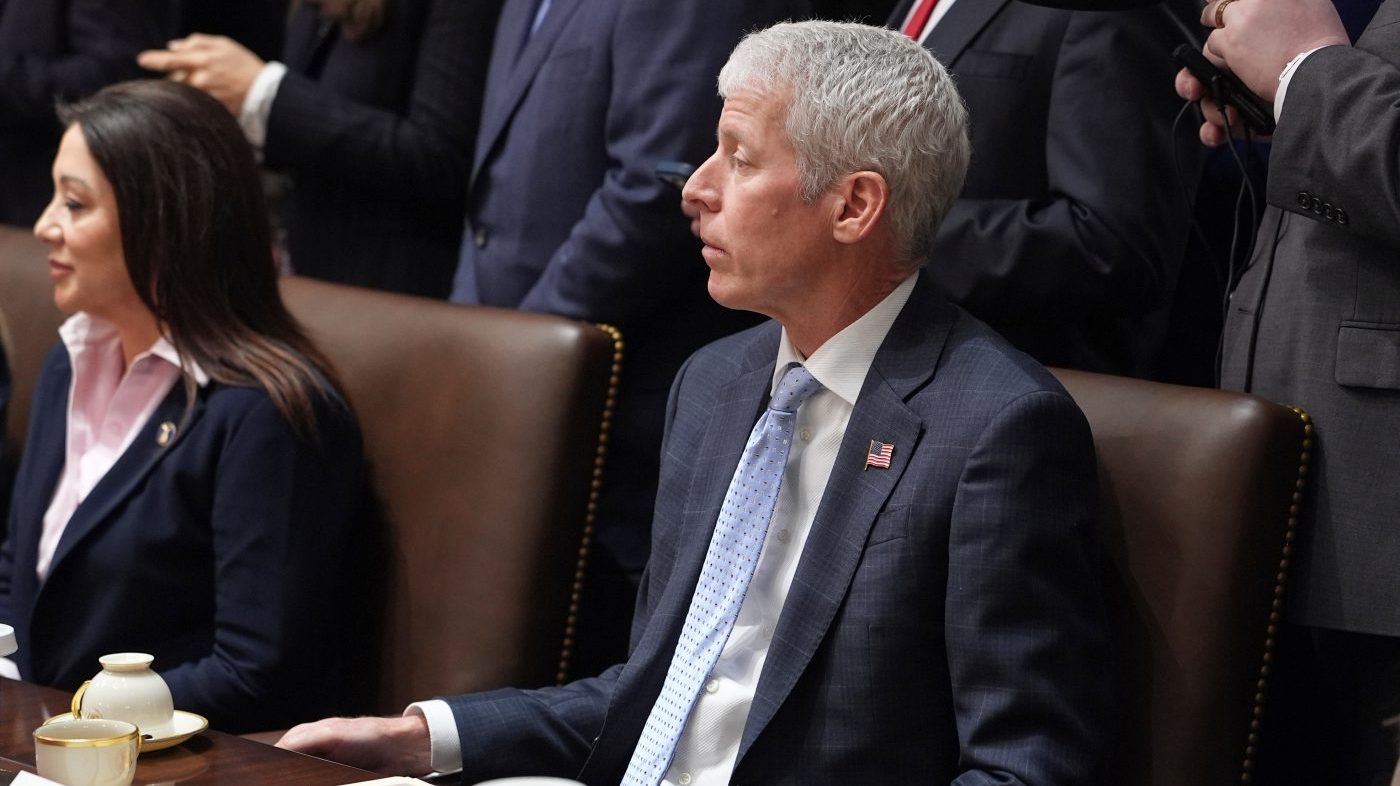
Appearing on CNN's 'State of the Union,' Wright told host Jake Tapper that safe passage through the chokepoint is contingent on a deal. "After a deal is reached," Wright said when asked for a timeline, emphasizing that the "best way" to reopen the strait is "to have an end to the conflict and a defanged and dearmed Iran."
Pressed on whether an agreement could emerge within two weeks, the Energy Secretary responded, "That's probably a reasonable timeframe, it's not too far away." He noted that while the U.S. military could force the issue—referencing two American warships that recently transited the area—a negotiated solution is preferable. "People are ready to go, ships are there," Wright added, highlighting the commercial pressure to resume normal traffic.
Iranian Forces Reassert Control Amid Conflicting Signals
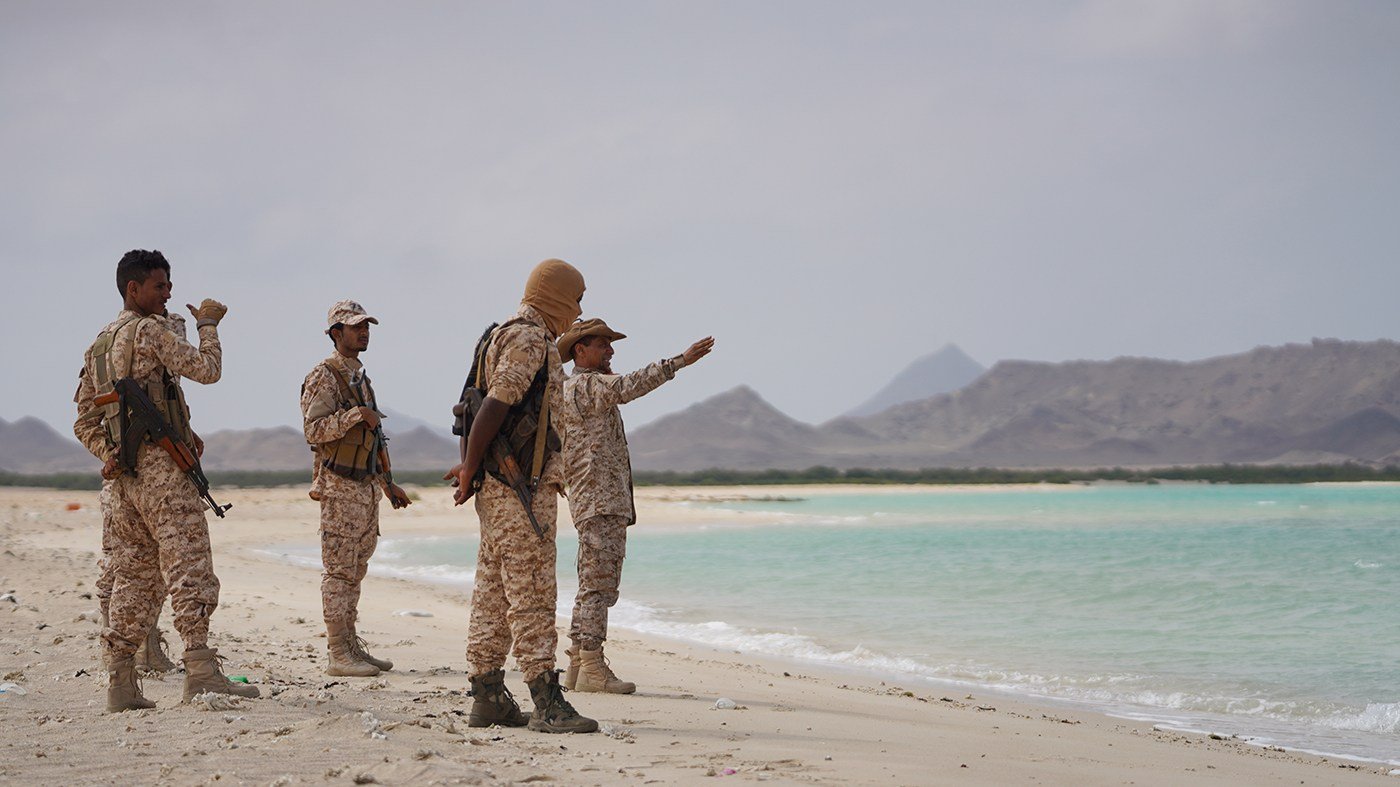
The warning comes amid a chaotic situation in the waterway. Iran's Islamic Revolutionary Guard Corps (IRGC) announced Saturday it was resuming "strict" military control over the strait. This directly contradicted Iranian Foreign Minister Abbas Araghchi, who said just a day earlier that the passage would stay open until a two-week ceasefire expires this Wednesday.
An IRGC spokesperson cited the continuing U.S. naval blockade as justification for maintaining shipping restrictions. Further escalating rhetoric, Iranian Foreign Ministry spokesperson Esmaeil Baqaei claimed on social media platform X that the American blockade is "not only a violation of Pakistani-mediated ceasefire but also both unlawful and criminal."
Trump Accuses Iran of Ceasefire Violation
The diplomatic friction intensified Sunday when former President Donald Trump accused Iran of violating the temporary truce. On his Truth Social platform, Trump stated that the IRGC had fired upon two vessels—a French ship and a British freighter—transiting the strait. This incident underscores the persistent dangers in the region, as detailed in recent reporting on Iran's reimposed military control.
When Tapper asked Secretary Wright directly if it is currently unsafe for commercial ships to use the passage, the cabinet official confirmed: "That is correct." This assessment casts doubt on the viability of the ceasefire and suggests ongoing military posturing by both sides.
Broader Implications for Energy Markets and Security
The prolonged closure of the strait, through which about one-fifth of the world's oil passes, has significant ramifications for global energy security and economic stability. Wright's comments indicate the Biden administration views the maritime standoff as a leverage point in broader negotiations aimed at curtailing Iran's regional influence and military capabilities.
The situation remains fluid, with military and diplomatic maneuvers closely intertwined. The administration's stance, as articulated by Wright, suggests a firm linkage between securing the waterway and achieving a wider, durable political agreement. This comes as the U.S. military reportedly prepares for further escalatory actions involving Iranian-linked shipping.
The conflicting statements from Iranian civilian and military officials point to internal divisions within Tehran's power structure regarding how to manage the crisis. The coming days, leading to the Wednesday ceasefire deadline, will be critical in determining whether the path leads to renewed diplomacy or heightened confrontation in the strategic waterway.