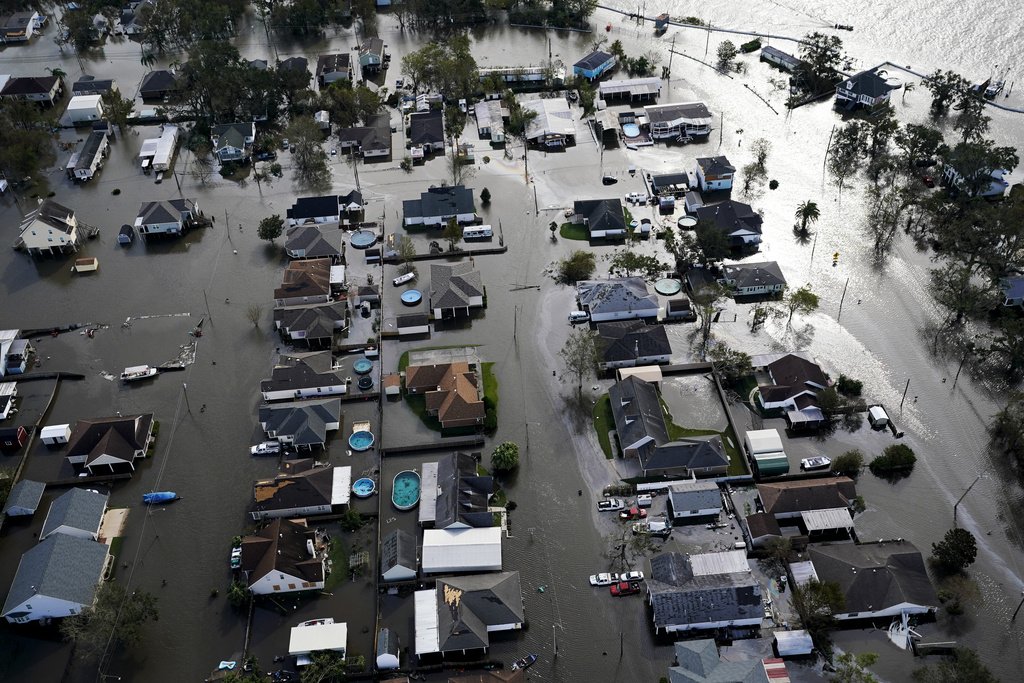
The United Nations’ World Meteorological Organization (WMO) is sounding the alarm: a potentially severe El Niño event is on the horizon, with a 90% probability of emerging between now and July. This climate phenomenon, often linked to extreme weather, could escalate into a so-called 'super' El Niño, amplifying risks across the globe.
UN Secretary-General António Guterres delivered a stark message Tuesday, stating, 'The science is clear: El Niño is arriving on our doorstep in the coming months with 90% certainty. The world must treat it as the urgent climate warning it is.' His remarks underscore growing concern that this natural cycle will interact with ongoing climate change to produce more intense heatwaves, droughts, and floods.
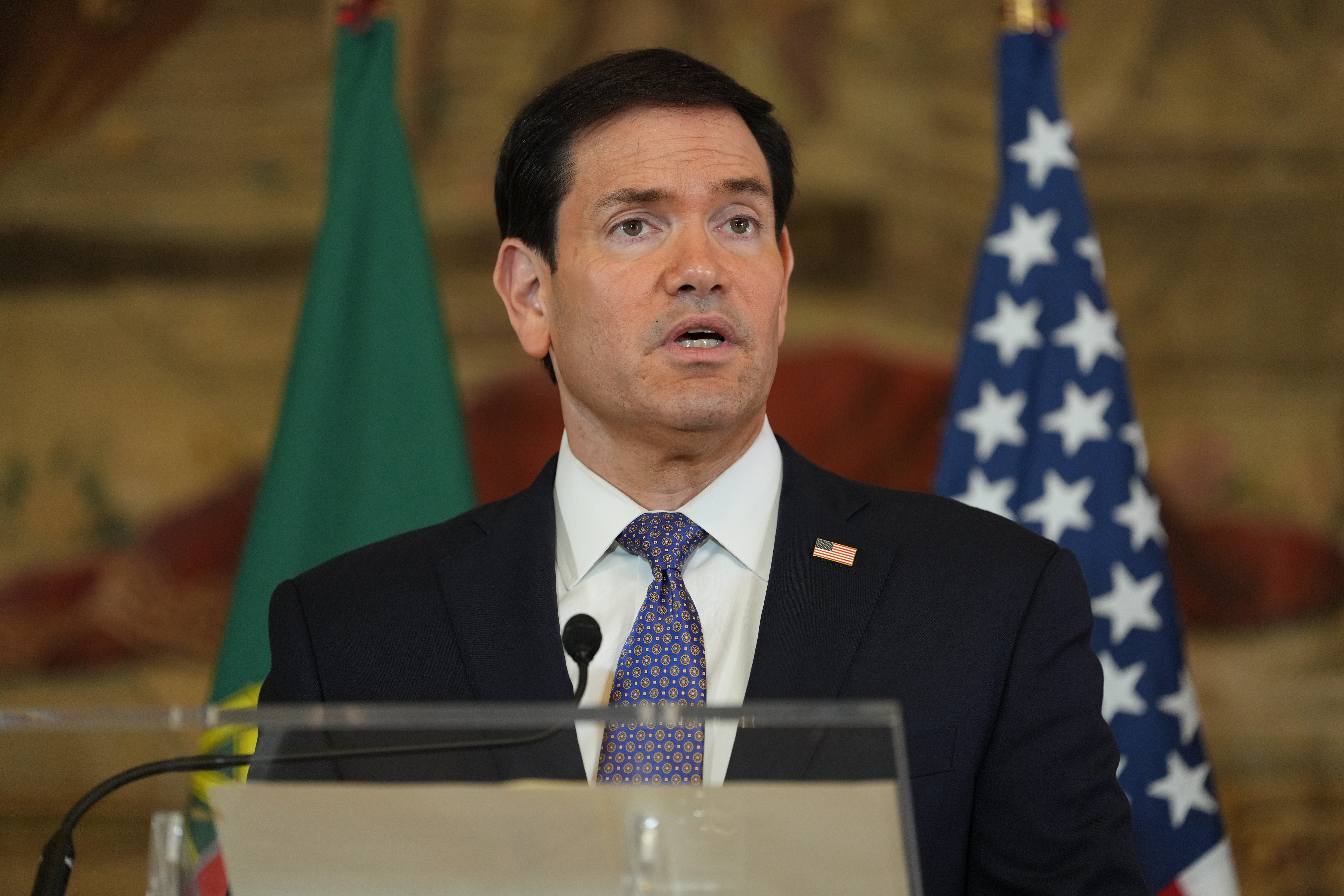
WMO Secretary-General Celeste Saulo echoed that urgency, warning that a strong El Niño 'will exacerbate drought and heavy rainfall and increase the risk of heatwaves both on land and in the ocean.' The agency’s forecasts point to above-average temperatures for nearly all regions between June and August, with a particularly hot summer expected across much of the Northern Hemisphere.
Guterres framed the stakes in dramatic terms: 'El Niño conditions will pour fuel on the fire of a warming world. Impacts will hit even harder, travel even farther, and cross borders with devastating speed.' The WMO plans to monitor conditions closely over the coming months, aiming to provide governments with actionable data to mitigate loss of life and property.
For the United States, the arrival of a 'super' El Niño carries distinct regional consequences. Typically, El Niño brings a warm, dry winter to the northern half of the country and a wetter, colder winter to the South. When it begins in summer—as predicted—it can turbocharge temperatures, contributing to heatwaves. Additionally, a strong El Niño often suppresses Atlantic hurricane activity while boosting tropical storms in the Pacific.
However, experts caution against assuming a 'super' El Niño automatically yields catastrophic weather. The Climate Prediction Center noted last month, 'Stronger El Niño events do not ensure strong impacts; they can only make certain impacts more likely.' In other words, while the odds of typical El Niño effects rise, the intensity of those effects is not guaranteed.
The WMO’s alert comes amid broader political discussions about climate resilience. Lawmakers have been urged to shield NOAA’s budget as preparations for extreme weather ramp up. Meanwhile, the Pentagon’s expansion of AI-driven forecasting tools has drawn attention, with some officials highlighting the need for advanced modeling to anticipate El Niño’s cascading effects on global security.
As the world braces for what could be a record-breaking climate event, the UN’s warning serves as a call to action—not just for governments, but for communities to prepare for a summer defined by heat, drought, and unpredictable storms.