The Trump administration has formally set a June 5 date for an oil and gas lease auction within Alaska's Arctic National Wildlife Refuge (ANWR), advancing one of the most contentious energy and environmental policies of the current presidency. The move initiates a process mandated by Congress in the 2017 tax legislation, which required at least two major lease sales in the refuge's coastal plain.
Federal officials have not yet disclosed the total acreage that will be offered to energy companies. A Bureau of Land Management spokesperson indicated that specific parcel details would be published on the agency's website in the coming days, leaving industry and conservation groups awaiting the final scope of the offering.
A Decades-Long Political Battle
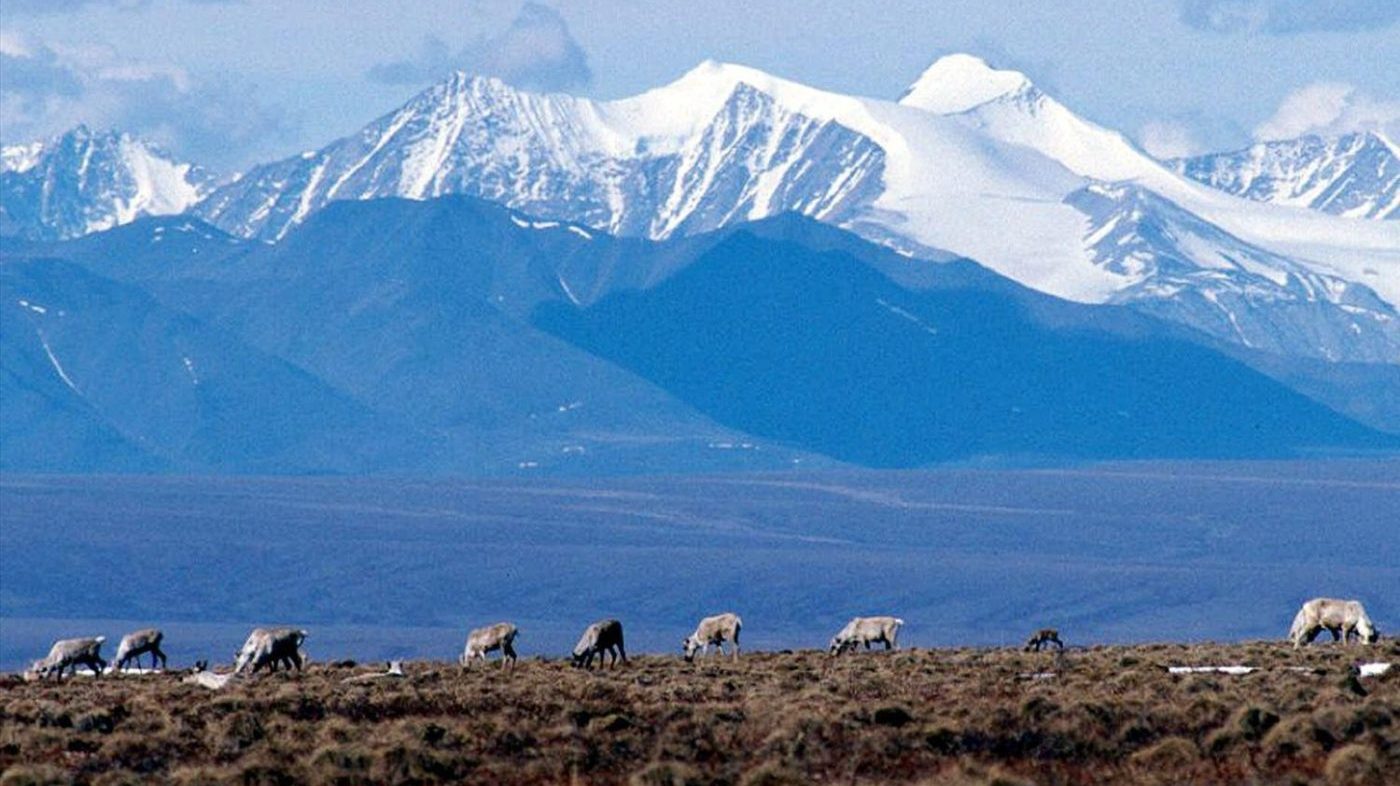
This auction represents the culmination of a political fight spanning over four decades. The question of whether to open the 1.6-million-acre coastal plain of ANWR to resource extraction has been a perennial flashpoint, pitting energy development goals against conservation priorities. The refuge is a vital ecosystem, home to polar bears, grizzly bears, the Porcupine caribou herd, and migratory birds. The Gwich'in people, whose culture is intertwined with the caribou, consider the land sacred and have consistently opposed drilling.
Supporters, primarily Alaska's congressional delegation and state officials, argue that responsible development will create jobs, generate crucial state revenue, and bolster national energy security. They frame it as a matter of economic necessity and strategic resource management.
Legal and Political Context
The push for this lease sale is directly tied to a provision in the 2017 Republican tax law, often referred to by the administration as a landmark legislative achievement. The law explicitly authorized leasing in a portion of ANWR, a goal long sought by energy-state Republicans. This action continues a pattern of the administration prioritizing domestic energy production, a theme evident in other policy areas such as its stance on maritime energy corridors.
Opponents, including environmental organizations and many Democratic lawmakers, warn that industrial activity will cause irreversible damage to a pristine wilderness and exacerbate climate change. Legal challenges are anticipated immediately following the sale, potentially mirroring the litigation seen in other administration environmental rollbacks. The administration's aggressive energy agenda has previously faced judicial scrutiny, as seen when a federal judge dismissed its attempt to block a climate lawsuit against major oil companies.
In a written statement, Deputy Interior Secretary Kate MacGregor framed the decision as a fulfillment of a policy commitment. "President Trump has long supported Alaska's important contribution to American energy dominance," MacGregor said, "and Interior is proud to take the necessary and durable steps to unleash these important resources on behalf of the American people."
The announcement arrives amid a complex political landscape for the administration, which is simultaneously navigating other contentious issues. These include internal party dynamics, as highlighted by shifting allegiances within the GOP, and ongoing debates over executive conduct that occasionally draw dramatic comparisons from allies, such as when a lawmaker invoked religious imagery in support of the president.
The June auction will be a critical test of industry interest in the region, given current low oil prices and the significant logistical and regulatory hurdles associated with Arctic drilling. The outcome will shape not only the future of ANWR but also the legacy of the Trump administration's energy and environmental policies.