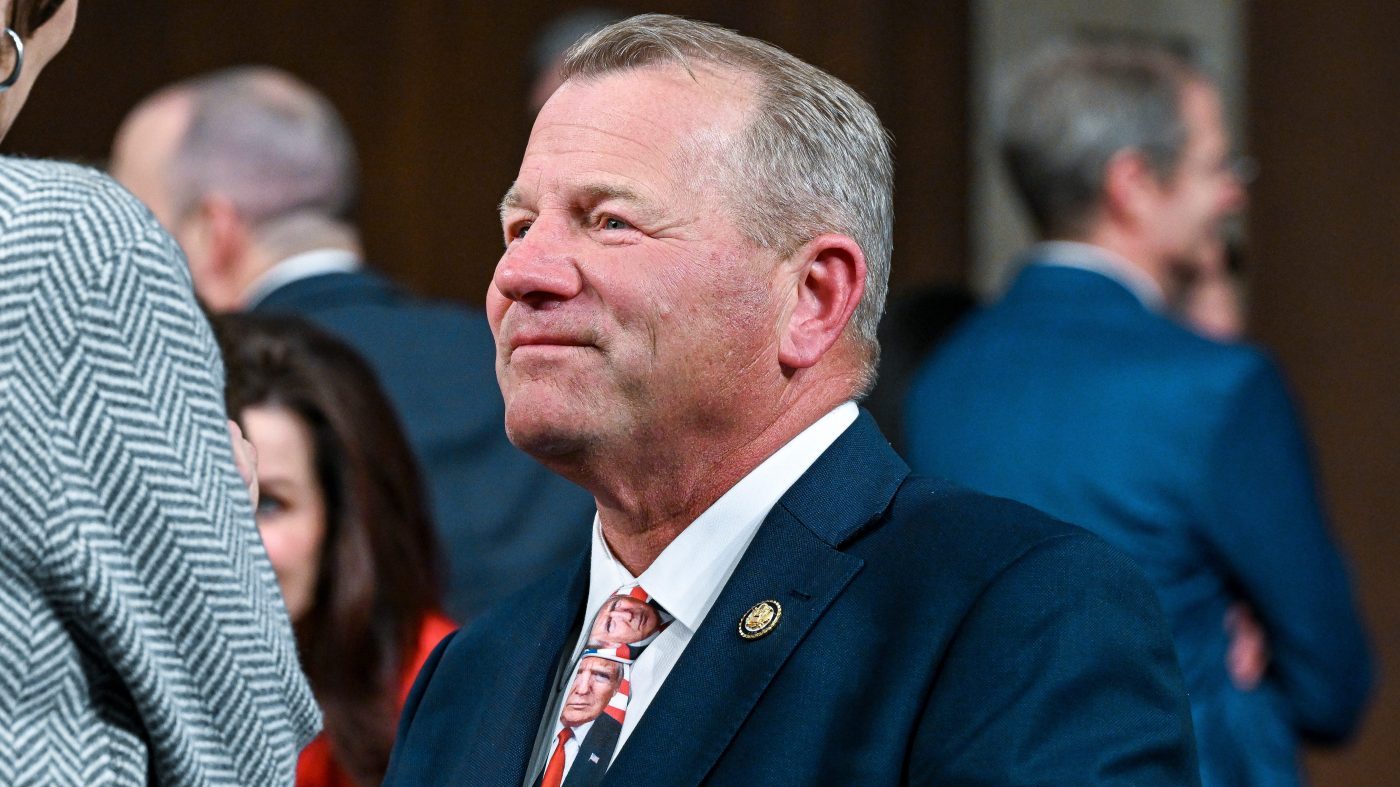
Texas Republican Congressman Troy Nehls offered a striking theological comparison for Donald Trump on Thursday, telling reporters on Capitol Hill that the former president is "almost a second coming." The comments come as Trump faces sustained criticism from both sides of the aisle for posting a controversial, AI-generated image that depicted him in a messianic role and for his escalating public dispute with Pope Leo XIV.
A Divine Comparison
"I believe that Donald Trump is better than sliced bread. I think he's almost a second coming, in my humble opinion," Nehls stated. He elaborated by praising Trump's job performance, contrasting it with the challenges faced by the pontiff. "He's got a very difficult job. Pope's got a tough job, you know, got issues in the church, but Donald Trump has a very, very difficult job to do, the toughest job in the world." The term "second coming" is a central Christian doctrine referring to the prophesied return of Jesus Christ to judge humanity and establish a kingdom.
Controversial AI Post Sparks Backlash
Nehls's defense follows days of scrutiny over a post Trump shared on his Truth Social platform. The AI-generated image portrayed Trump in a long robe, with light emanating from his hands as he appeared to heal a sick man, surrounded by American iconography, a nurse, and a soldier. The image was widely interpreted as depicting Trump in a Christ-like manner, drawing immediate condemnation.
The backlash was swift and crossed ideological lines. Prominent conservative Christian journalist Megan Basham called the post "OUTRAGEOUS blasphemy" on social media, questioning Trump's intent. The image also drew criticism from some within Trump's own MAGA movement, with former Georgia Rep. Marjorie Taylor Greene accusing Trump of knowingly manipulating his followers. "Trump knows what he is doing. He knows what he posted," Greene wrote.
Explanations and Escalating Tensions
Trump later removed the post, offering an explanation that it was misinterpreted and that he believed it showed him as a doctor related to the Red Cross. Some Republicans, like Sen. Thom Tillis (R-N.C.), said they took this explanation "at face value," but skepticism remains high among critics. The incident is part of a broader public feud Trump has engaged in with Pope Leo XIV, who criticized the recent U.S.-Israeli military operation in Iran.
This rift with the Vatican is causing concern within Republican circles, as it risks alienating Catholic voters, a crucial demographic Trump carried in the 2024 election. A poll conducted last month showed Trump's approval among Catholics at 48% even before this latest clash became public. Some party strategists and donors worry the controversy distracts from domestic policy priorities ahead of the midterm elections.
Internal GOP Concerns and Broader Context
The episode highlights ongoing tensions within the GOP regarding Trump's rhetoric and strategy. While figures like Nehls offer fervent support, others express unease about the political fallout. The controversy also intersects with other challenges facing the Trump-aligned wing of the party, including internal disagreements over legislative strategy and efforts to court key voter blocs like young Americans amid shifting poll numbers.
Furthermore, Trump's combative approach to institutions, including the papacy, has led some former officials to voice concerns about his conduct. The use of AI to create politically and religiously charged imagery adds a new, technologically complex layer to the long-running debates over Trump's communication style and its implications for his political and spiritual standing with his base.