President Donald Trump has launched a direct attack on Pope Leo XIV, the global leader of the Roman Catholic Church, while simultaneously promoting artificial intelligence-generated imagery that depicts him in religious contexts, actions that risk alienating a key voting bloc ahead of critical midterm elections.
A Direct Challenge to Papal Authority
On his Truth Social platform, Trump labeled Pope Leo "WEAK on crime" and "terrible for Foreign Policy," a response to the pontiff's repeated calls for peaceful resolution to international conflicts, including the ongoing war between Israel and Iran. Trump asserted that the Pope "should be thankful" to him, claiming, "If I wasn't in the White House, Leo wouldn't be in the Vatican." He further suggested that papal criticism of his administration was illegitimate, stating, "I don't want a Pope who criticizes the President of the United States because I'm doing exactly what I was elected, IN A LANDSLIDE, to do."
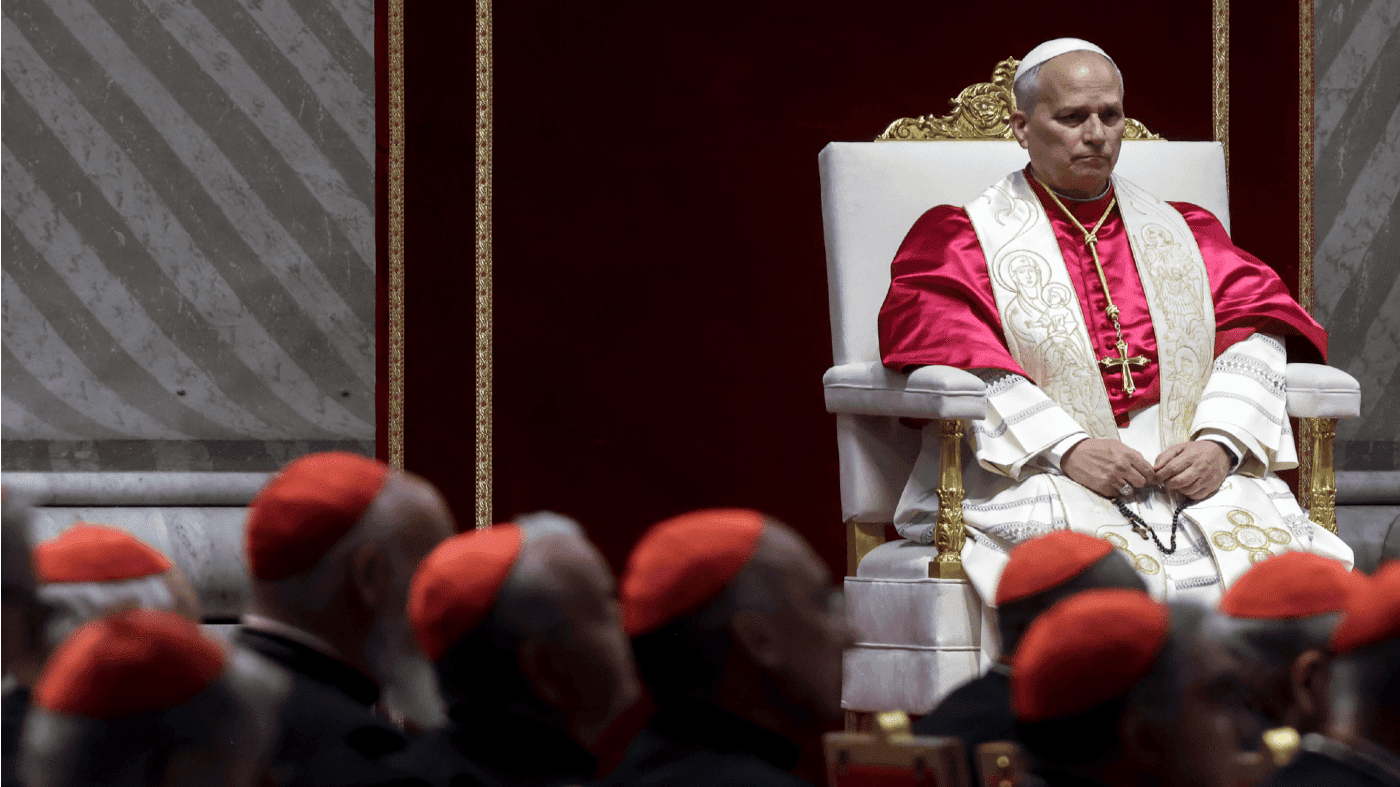
Pope Leo, born Robert Prevost in Chicago 70 years ago, responded with measured defiance, stating he has "no fear of the Trump administration" and remains committed to "speaking out loudly of the message of the Gospel." The confrontation highlights a fundamental clash between Trump's transactional view of political loyalty and the Pope's independent moral authority. This comes as some former administration officials have expressed concern that such conflicts signal deeper issues.
AI Imagery and Political Blowback
The controversy extends beyond rhetoric. Trump reposted an AI-generated image showing him dressed in robes resembling those of Jesus Christ, with a glowing aura, appearing to heal a sick man. After widespread criticism, he claimed he believed it portrayed him as a doctor and subsequently deleted it. However, he later insisted, "The Catholics loved it," a claim contradicted by prominent Catholic leaders and polling data.
This incident follows a pattern. In May, an image of Trump dressed as the Pope circulated on a White House-affiliated social media account during the mourning period for Pope Francis. Trump disavowed responsibility. Furthermore, during Black History Month, a racist AI-generated video depicting Barack and Michelle Obama as apes was posted to his Truth Social account, which Trump also claimed he was unaware of.
These episodes raise questions about the campaign's digital oversight and its willingness to use provocative, AI-manipulated content for political messaging, even as the President attempts to shore up support among younger demographics concerned about technology and foreign policy.
Electoral Calculus and Catholic Voters
The political stakes are substantial. According to Pew Research Center data, Trump secured 55% of the Catholic vote in his 2024 re-election, a significant increase from the 49% share that contributed to his 2020 loss to Joe Biden. This demographic is not monolithic, encompassing both conservative, church-going voters and more moderate, culturally Catholic populations. A perceived assault on the papacy could disrupt this coalition.
With control of the House and Senate hanging in the balance in November, Republican strategists fear Trump's combative stance could be perceived as anti-Catholic, potentially driving swing voters toward Democratic candidates. The dispute also unfolds against a backdrop of other contentious policy debates, including the administration's recent extension of funding for Planned Parenthood, which has angered some social conservatives.
A Clash of Worldviews
At its core, the conflict represents a profound divergence in authority and purpose. Trump operates within a framework of political power, electoral mandates, and transactional relationships. Pope Leo, like his predecessors, derives his authority from spiritual and moral teachings intended to transcend national politics and temporal leaders. The President's expectation that the Pope should function as a supportive cabinet member misreads the Vatican's role on the world stage.
The episode underscores a recurring theme of Trump's presidency: a dismissal of independent institutions—be they judicial, journalistic, or religious—that decline to offer unwavering support. As the midterms approach, the Republican Party must weigh the benefits of Trump's base mobilization against the risks of alienating moderate Catholic voters who respect the office of the papacy. The outcome may hinge on whether voters view Trump's attacks as a defense of national policy or an unpresidential violation of diplomatic and religious norms.