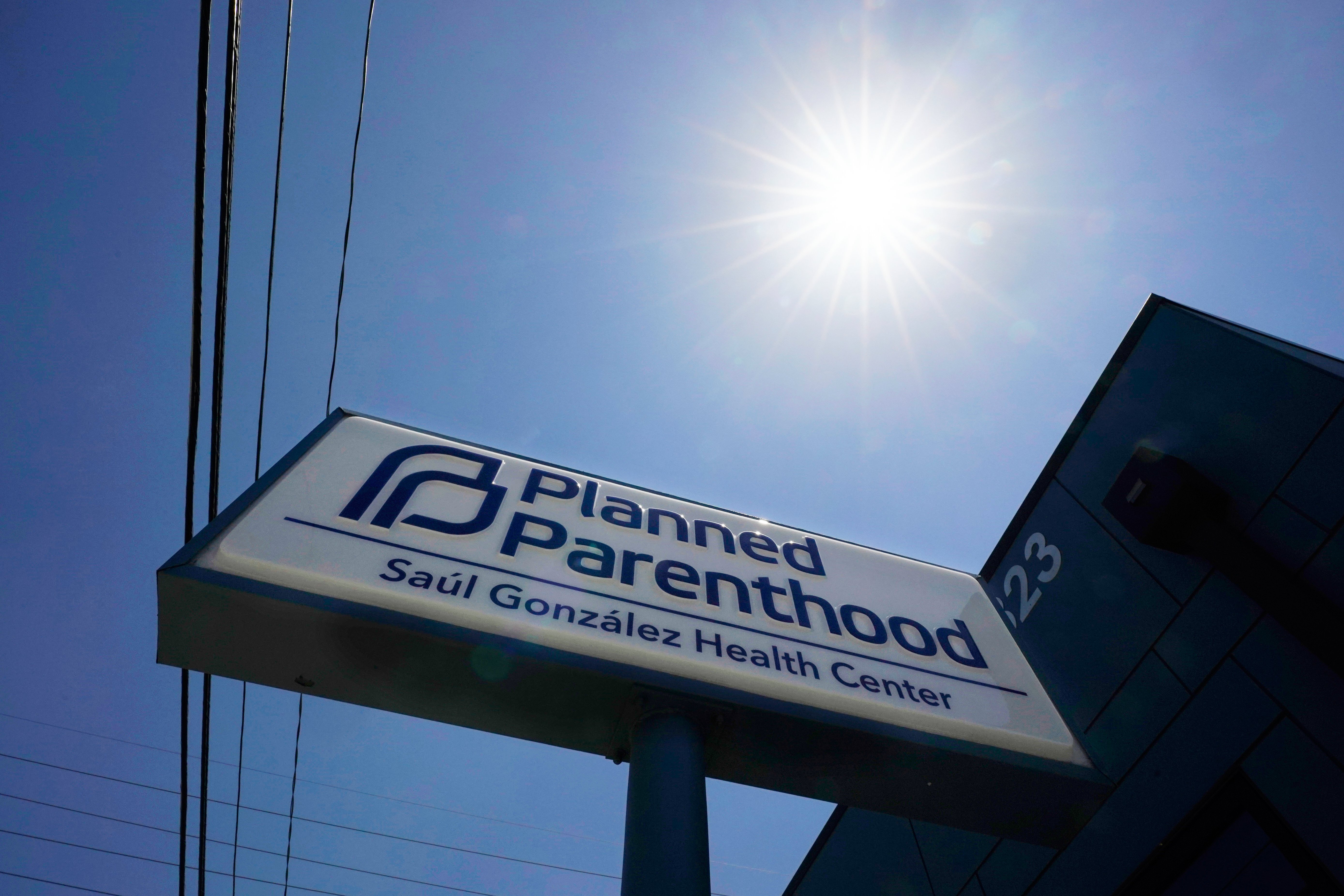
The Trump-Vance administration has decided to continue federal funding for Planned Parenthood through Title X family planning grants, maintaining a policy established under President Biden. This move represents a significant reversal from President Trump's initial action to freeze these grants, which he quietly reinstated in January. The administration has now committed to funding the organization for another full year before signaling a potential program change in 2026.
A Breach of Trust with the Base
For pro-life advocates, this is not merely a policy disagreement but a fundamental breach of trust. Polling indicates approximately 75% of Republican base voters support defunding Planned Parenthood, with one-third stating they would be less enthusiastic about voting if the party softened its pro-life stance. In a tight election cycle where enthusiasm determines turnout, this decision carries tangible political risk. The administration is already facing declining support among key demographics, making base mobilization critical.
Contradicting a Proven Record
The decision appears particularly confounding given the first Trump administration's clear pro-life record. That administration implemented the Protect Life Rule, which specifically prevented Title X funds from going to organizations involved in abortion services. Many within the movement expected its immediate restoration. Instead, more than a year into the current term, the administration has extended the opposing policy framework. This follows other actions perceived as favorable to the abortion industry, including allowing the shipment of abortion pills into states with restrictive laws and intervening in legal cases on the industry's side.
The frustration extends beyond a single program. There is a growing perception that the administration is drifting from core commitments, a dangerous sentiment in coalition politics. As the president focuses on economic messaging at rallies, this social policy decision threatens to undermine the grassroots energy that has long powered Republican campaigns. The pro-life movement has provided votes, volunteers, and organizing muscle for decades; jeopardizing that relationship for uncertain gains among other voter groups is seen as a profound miscalculation.
The Political Calculus
Administration officials may view this as necessary political outreach, but to core supporters, it increasingly resembles abandonment. There is scant evidence that funding Planned Parenthood or moderating abortion positions will sway independent voters in decisive numbers. However, there is substantial data showing it demoralizes the existing coalition. This comes as the administration is engaged in other contentious policy debates, including defending its broader health agenda before Congress.
The timing could not be more sensitive. With midterm elections approaching, field operations in battleground states rely on activating low-propensity voters. When those voters believe their priorities are being ignored or contradicted, mobilization becomes exponentially harder. This funding decision is not occurring in isolation; it contributes to a cumulative impression that the administration is at odds with its most loyal supporters.
A Strategic Gamble
Political coalitions are built on trust and consistency, not arithmetic alone. The administration's move to continue funding America's largest abortion provider, using taxpayer dollars, directly conflicts with long-standing Republican orthodoxy and the expectations of voters who delivered victory in 2024. While expanding a coalition is a legitimate goal, it becomes a liability when it crosses the line into alienating the foundation of support.
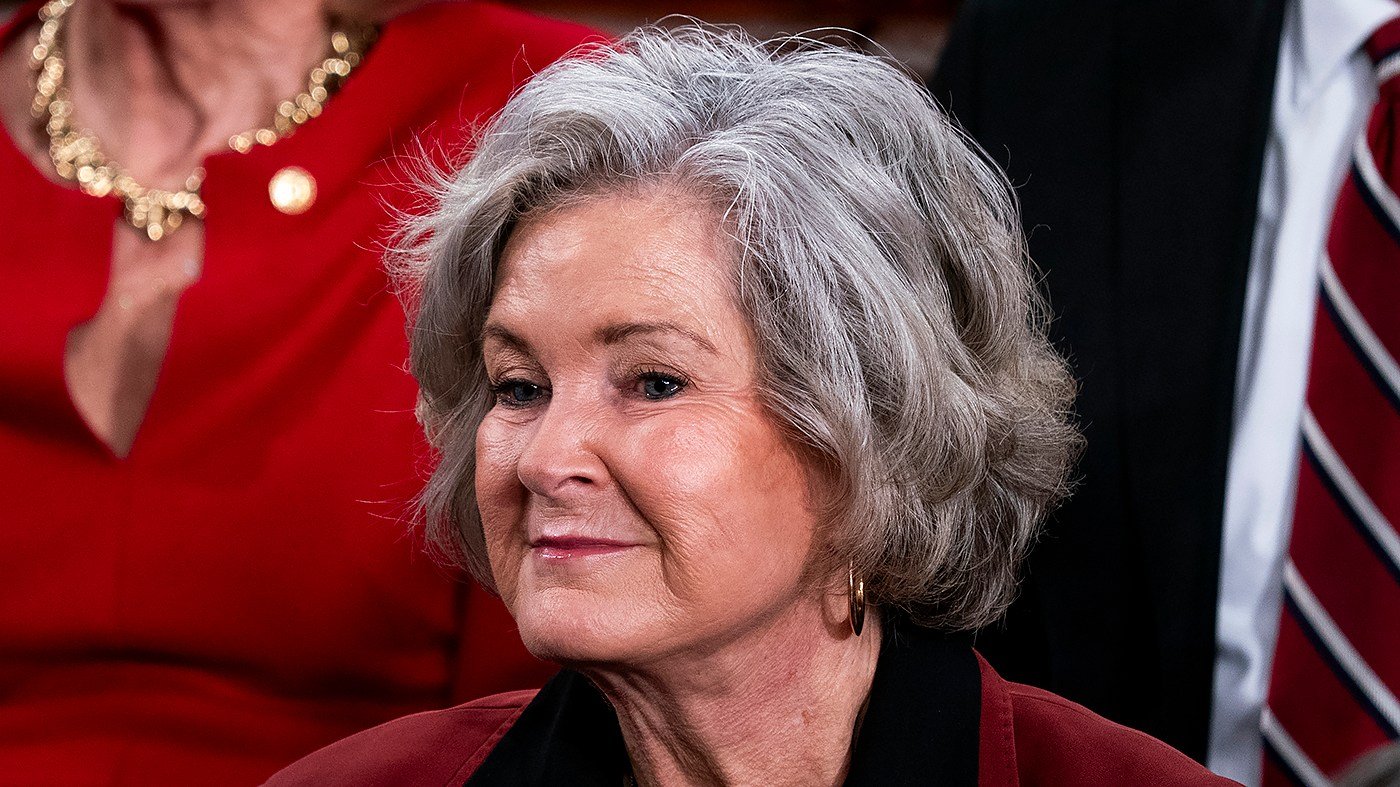
As noted by Marjorie Dannenfelser of Susan B. Anthony Pro-Life America, a strategy that trades base enthusiasm for uncertain gains elsewhere is not a path to victory but a blueprint for political trouble. The administration now faces the challenge of reconciling this policy with a base that feels sidelined, all while navigating other complex issues like environmental and energy policy reversals. How it manages this friction may define the coming election cycle.