Kennedy Returns to Congressional Hot Seat
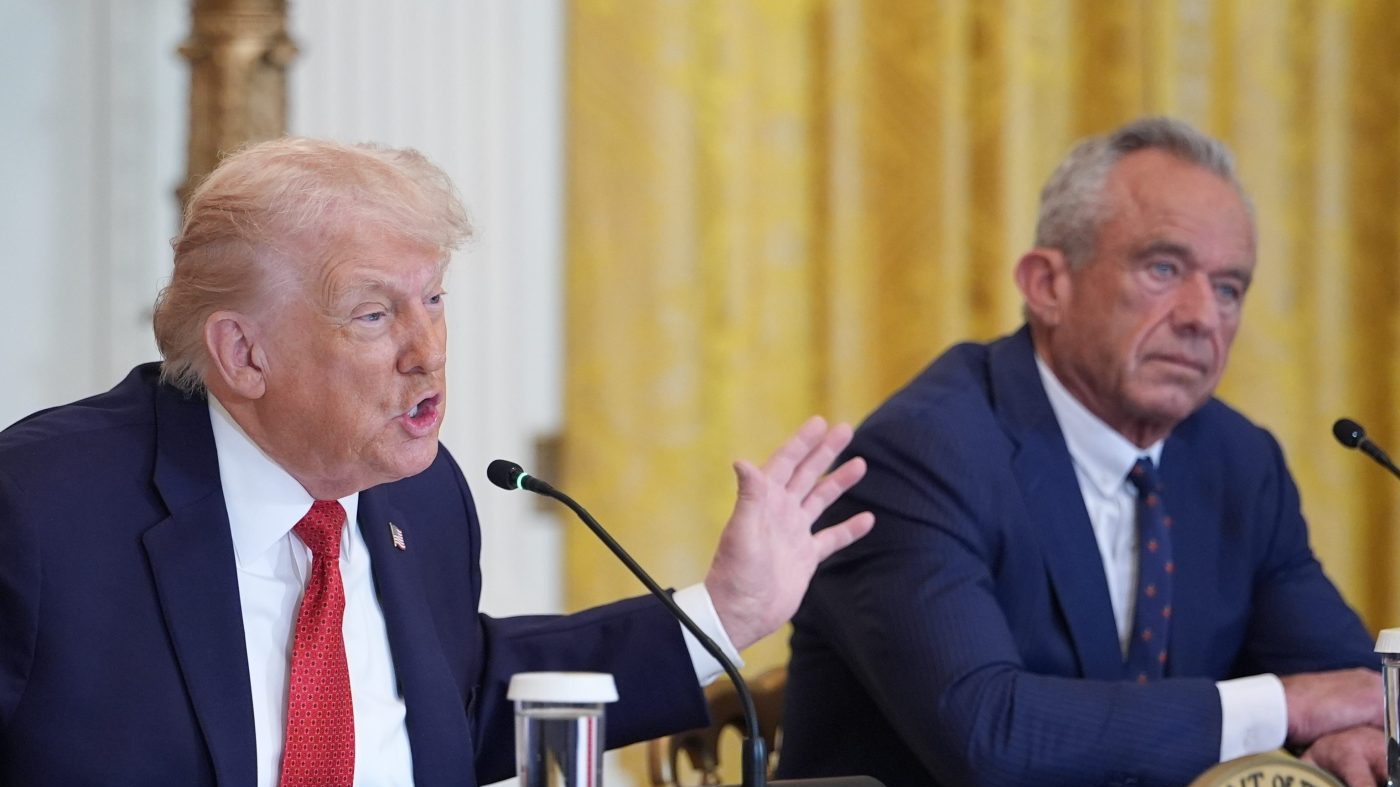
Health and Human Services Secretary Robert F. Kennedy Jr. is scheduled for his third appearance before a House committee this Friday, where he will defend the Trump administration's healthcare agenda. This latest testimony follows a contentious session where lawmakers pressed him on recent vaccine policy adjustments and the details of his signature "Make America Healthy Again" initiative. The repeated hearings signal sustained congressional scrutiny of the administration's health policy direction.
This marks another chapter in Kennedy's ongoing defense of the Trump health agenda before skeptical legislators. The secretary has become a frequent witness as Congress examines the implementation and effects of the administration's healthcare reforms.
Trump's Western Swing Targets Youth Vote
As his cabinet official faces questions in Washington, President Trump is taking his message directly to voters in the Southwest. On Friday, the president is slated to address a Turning Point USA gathering in Arizona, part of a concerted effort to galvanize younger voters. Recent polling indicates potential erosion of support within this demographic, creating anxiety among Republican strategists with midterm elections approaching.
The Arizona stop continues a western tour that included a Las Vegas event where Trump highlighted his administration's tax achievements, particularly the enactment of a "no tax on tips" law. The Las Vegas roundtable focused on this popular tax policy following the recent tax filing deadline, though the president's travel occurs during a politically complex week for his administration.
Administration Navigates Multiple Fronts
The president's campaign travels unfold against a backdrop of several challenging developments. The administration continues to manage fallout from a series of AI-generated social media posts that invoked religious imagery, while simultaneously working to advance its preferred narratives on two critical issues: the ongoing conflict with Iran and the state of the domestic economy.
On the international front, the administration's posture toward Iran remains a focal point, with policies affecting global stability and energy markets. Recent U.S. naval actions have significantly impacted Iran's economy, raising concerns about worldwide energy prices. This foreign policy stance is one factor reportedly influencing the shifting attitudes of younger voters, who have shown declining support over the Iran war and economic conditions.
Supreme Court in Focus
The judicial branch also commands attention this Friday, with the Supreme Court expected to issue new opinions. The Court's term continues under a spotlight, heightened by recent comments from Justice Clarence Thomas. Earlier this week, Thomas expressed concern about deteriorating civility between ideologically opposed younger generations, warning that this contentious atmosphere could eventually "infect" the judiciary itself.
Thomas's remarks touch on broader cultural and political divisions that are playing out across the country, including in electoral politics and policy debates. These divisions are evident in issues ranging from the surprising religious gender gap among young Americans to disputes over economic policy, where the president has dismissed unfavorable inflation data while promoting his tax agenda.
Broader Political Landscape
The week's events occur within a charged political environment. The administration is working to maintain messaging discipline on its core priorities even as it confronts criticism and unexpected controversies. The dual focus—a cabinet official justifying policy on Capitol Hill while the president campaigns to shore up a key voter bloc—illustrates the multifaceted challenge facing the White House as the election season intensifies.
Other significant developments continue to shape the political battlefield, including legislative actions like the Senate's move to overturn a prior administration's mining ban, which now awaits presidential action. Meanwhile, figures like Judge Lyndsey Brunette are launching campaigns for influential state judicial seats, and the administration acknowledges it is reviewing unverified intelligence regarding missing nuclear scientists. The president has also weighed in on local policy, denouncing a New York City proposal for a luxury second-home tax as economically destructive.
Together, these threads weave a complex picture of an administration and a political movement operating on several fronts simultaneously: defending its record, courting voters, managing international crises, and navigating an often-hostile political and media landscape as crucial midterm elections draw nearer.