The Senate voted Thursday to dismantle environmental protections established under President Biden that prohibited mining activity near a prized Minnesota wilderness area, setting up a likely presidential signature that would reopen the region to industrial development.
In a 50-49 vote largely along party lines, senators moved to nullify a 2023 Interior Department decision that blocked mineral extraction on federal lands adjacent to the Boundary Waters Canoe Area Wilderness. The resolution now advances to President Trump, who is expected to approve it. The House passed identical legislation earlier this month.

Republican Unity with Notable Exceptions
The vote demonstrated strong Republican cohesion on resource development issues, though two GOP senators broke ranks. Thom Tillis of North Carolina and Susan Collins of Maine sided with Democrats in opposing the repeal. Missouri Republican Josh Hawley did not vote.
The action represents a significant victory for mining interests, particularly Twin Metals Minnesota, which has pursued copper-nickel mining projects in the region for years. The Biden administration's protection order had effectively halted the company's plans, citing potential contamination risks to the interconnected waterways of the Boundary Waters ecosystem.
Procedural Maneuver Under Congressional Review Act
Lawmakers employed the Congressional Review Act (CRA) to challenge the mining restrictions. This legislative tool allows Congress to overturn recently finalized regulations with simple majority votes, though its application in this case involves procedural complexities.
While the Biden administration's action occurred outside the CRA's typical 60-legislative-day window, Republican sponsors argued the rule wasn't properly transmitted to Congress until the Trump administration took office. This interpretation follows other recent Republican efforts to apply the CRA in expansive ways to roll back regulatory actions.
Environmental and Economic Crossroads
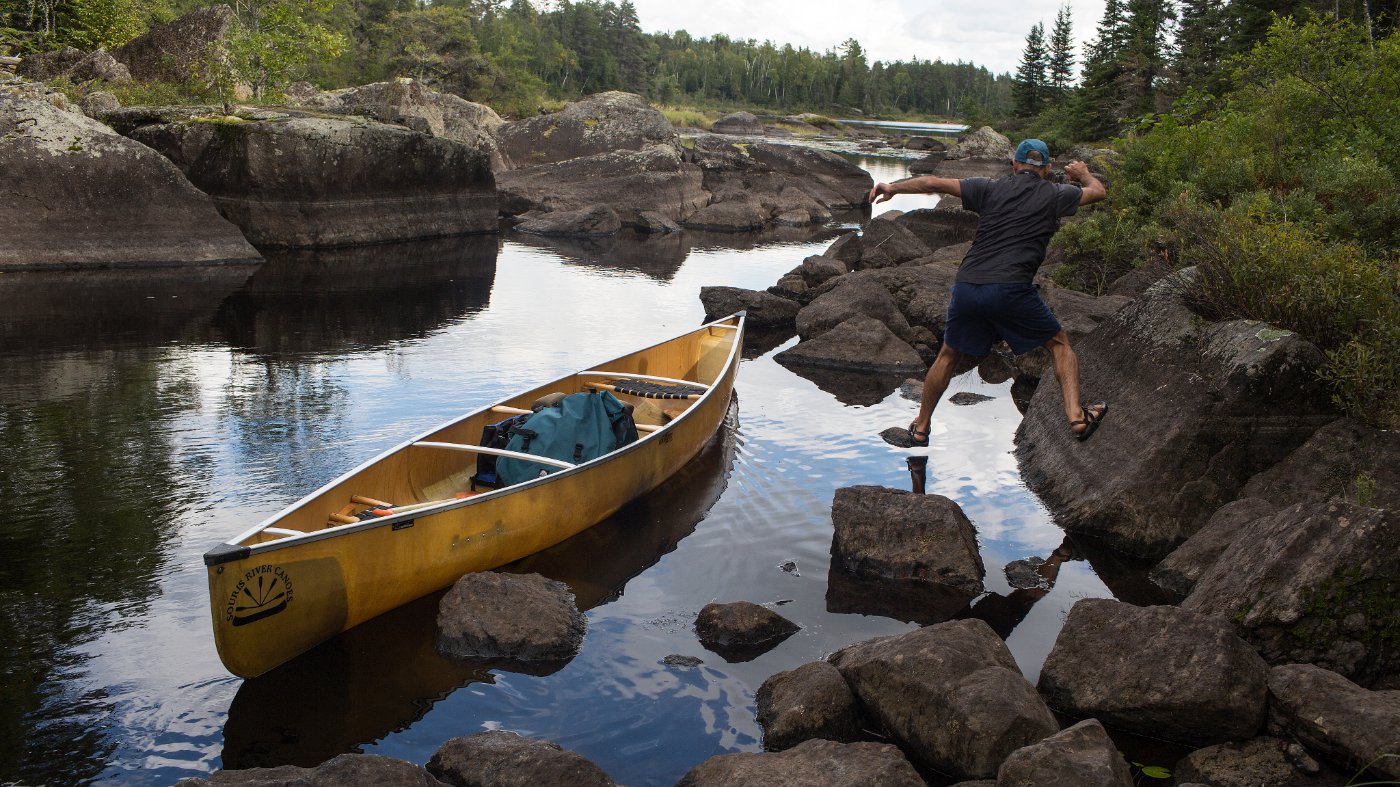
The Boundary Waters region encompasses over one million acres of protected forests, lakes, and streams along the Canadian border, renowned for wilderness recreation including canoeing, fishing, and hiking. Proponents of the mining ban argue industrial activity threatens irreversible damage to this fragile ecosystem.
Supporters of the repeal counter that responsible mineral development promises economic revitalization for northeastern Minnesota's Iron Range, an area with a long mining history. They emphasize domestic production of critical minerals needed for renewable energy and defense technologies.
Broader Political Context
The vote occurs amid broader administration efforts to accelerate domestic resource extraction while rolling back environmental regulations established during the Biden presidency. It also reflects ongoing tensions between conservation priorities and economic development in rural regions.
The outcome highlights the Trump administration's continued focus on energy and mineral policy, even as it navigates international challenges affecting energy markets. With the president's signature, the Boundary Waters region would become accessible for mining proposals that had been stalled for years, though legal challenges from environmental groups are anticipated.