President Donald Trump indicated on Thursday that he is prepared to travel to Pakistan to finalize a potential diplomatic agreement with Iran, elevating Islamabad's role as a critical intermediary between the two adversarial nations. The statement comes as a U.S.-enforced blockade on Iranian ports remains in effect and a fragile ceasefire is scheduled to lapse within days.
Pakistan's Pivotal Mediating Role
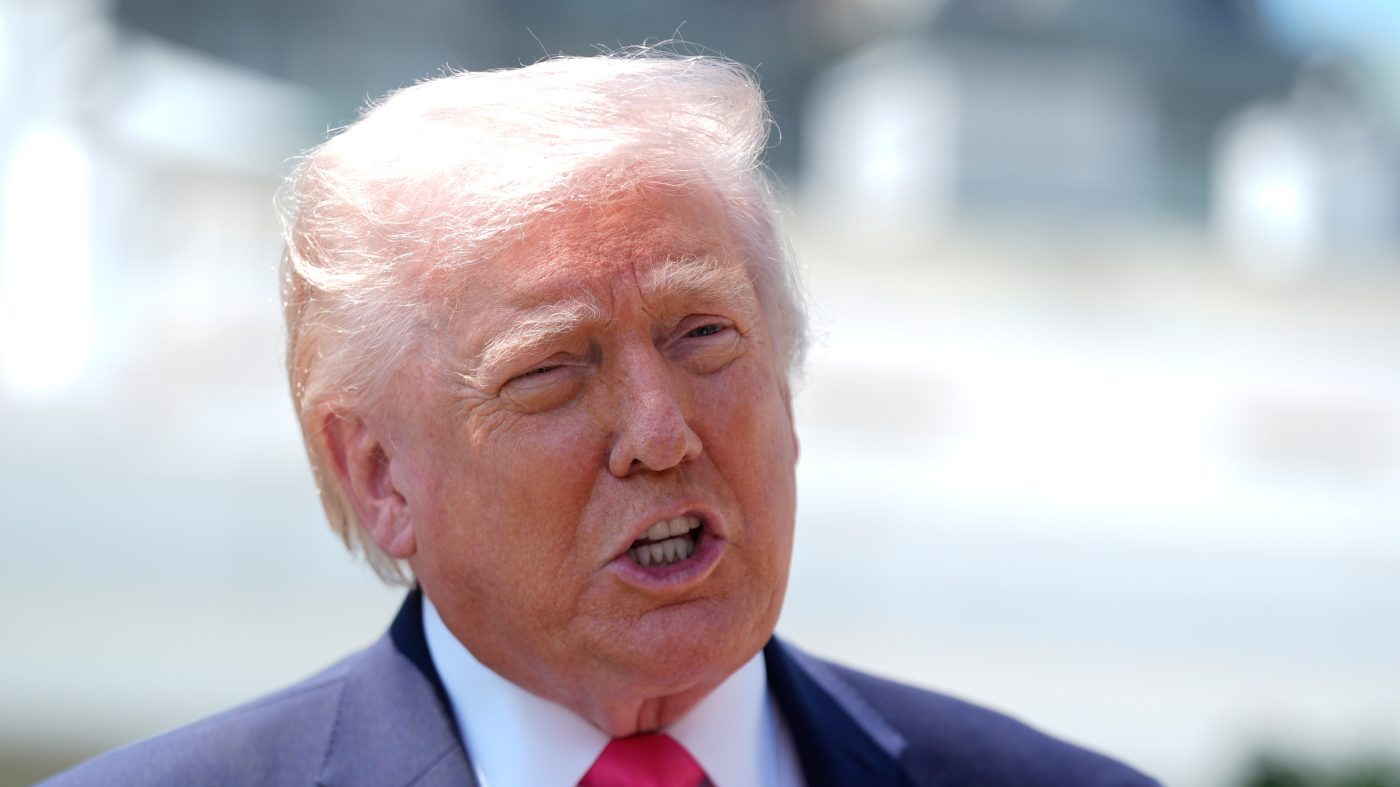
When questioned by reporters about a potential visit, Trump affirmed, "I would go to Pakistan." He praised the country's efforts, stating, "Pakistan has been great. They've been so good. If a deal is signed in Islamabad, I might go." This marks a significant public acknowledgment of Pakistan's behind-the-scenes work to facilitate dialogue, following a failed round of talks in the capital last week.
The Pakistani Foreign Ministry confirmed that communication channels between Washington and Tehran remain open through Islamabad, though a date for renewed negotiations has not been set. Ministry spokesperson Tahir Andrabi emphasized the confidential nature of the process, telling Al-Jazeera, "As a mediator, it's important for us to keep the talks confidential. We had the details and information of the talks entrusted to us by the negotiating parties." He added that the composition and size of any future delegations would be determined solely by the involved nations.
Mounting Pressure as Ceasefire Expires
The diplomatic maneuvering unfolds under severe time pressure. The United States continues to maintain a full naval blockade of Iranian ports, a central point of contention. The ceasefire between U.S. and Iranian forces, a temporary halt to broader hostilities, is officially set to expire next week, raising the stakes for any breakthrough.
This development follows the President's announcement of a separate 10-day truce between Israel and Lebanon, which he framed as a positive signal for the wider regional picture. That conflict, involving Israeli strikes against the Iranian-backed Hezbollah militia in Lebanon, had been a point of dispute; Iran and Pakistan asserted Lebanon was included in the initial U.S.-Iran ceasefire terms, while the U.S. and Israel maintained it was not.
The potential for a presidential trip underscores the high-level commitment the administration is portraying, even as Congressional Republicans recently acted to uphold the President's authority over the Iran conflict by blocking a war powers resolution. The situation remains volatile, with the blockade contributing to global energy market anxieties and drawing criticism from political opponents who blame the administration's Iran policy for driving up fuel costs.
Trump's offer to travel also arrives amid other domestic political challenges, including shifting dynamics with religious voter blocs following his public feud with Pope Leo XIV. A successful foreign policy move could serve to recalibrate his political standing.
Analysts suggest that a personal presidential journey to seal a deal would be a dramatic gesture, aiming to deliver a definitive foreign policy achievement. However, the path remains fraught. The fundamental issues that caused the previous Islamabad talks to collapse have not been publicly resolved, and the logistical and security implications of a last-minute presidential visit to the region are considerable.
The coming days will determine whether the diplomatic channels through Pakistan can produce a tangible agreement substantial enough to warrant a presidential signature and extend the ceasefire, or if the region will face a return to escalated military and economic confrontation.