Poll Reveals Catholic Voter Shift
A recent national survey indicates a measurable decline in President Donald Trump's standing with Catholic voters, a key demographic in American electoral politics. The poll, conducted in late October, found that only 48% of Catholic voters now approve of the president's job performance, while 52% disapprove. This represents a notable shift from previous measurements and follows weeks of escalating tension between Trump and the Vatican.
Pontiff's Criticism Draws Presidential Ire
The downturn coincides with President Trump's repeated public attacks on Pope Leo XIV. The friction began after the pontiff, in a series of public statements, amplified moral criticism of modern warfare, asserting that "God does not bless those who drop bombs." He specifically labeled Trump's threat to annihilate Iranian civilization as "truly unacceptable," placing the Vatican in direct opposition to the administration's hardline stance toward Tehran.
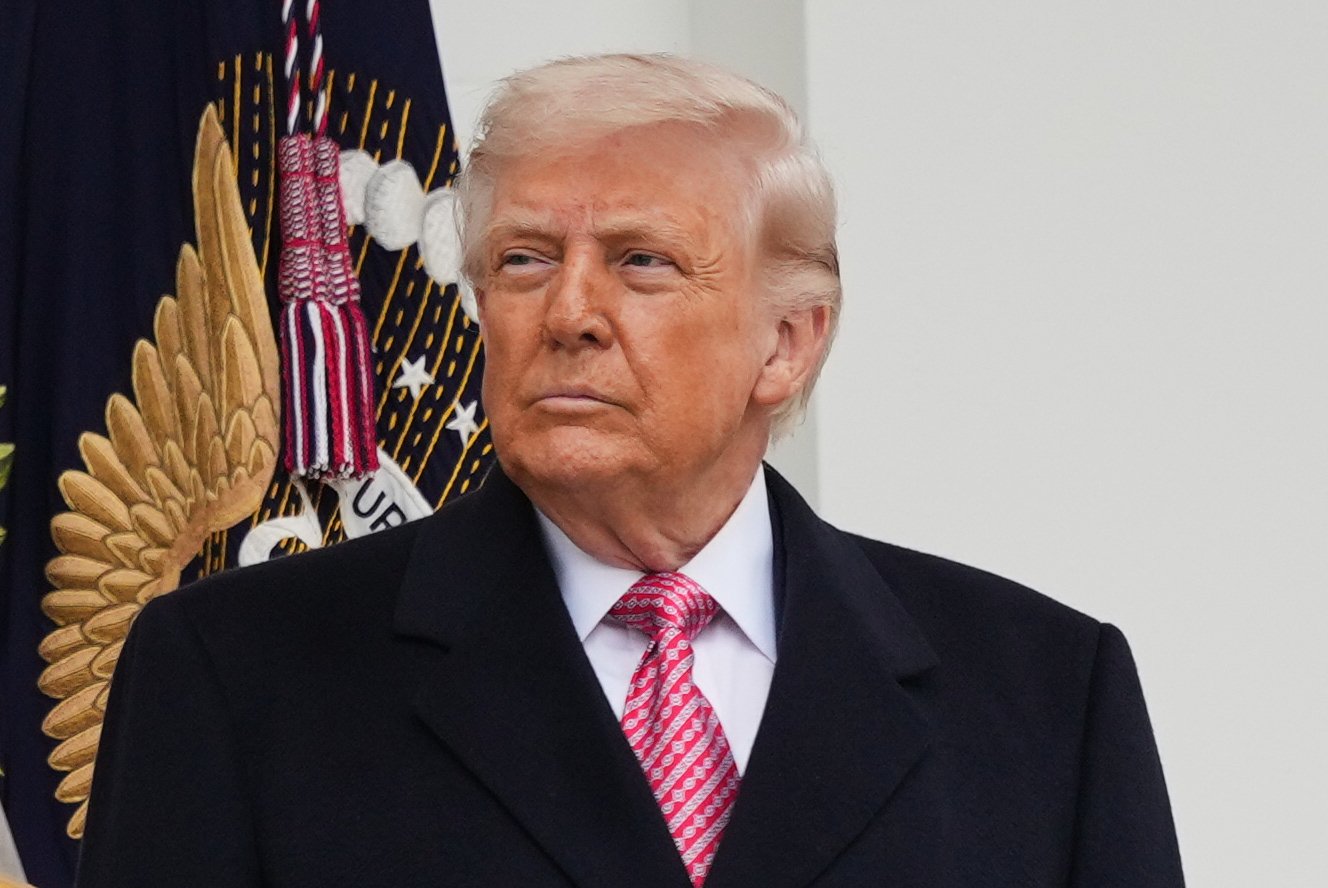
Trump responded by personally targeting the Chicago-born pope, accusing him of being "weak on crime" and a "captive to the left." This rhetoric, unusual for a U.S. president directed at a sitting pontiff, appears to have resonated negatively within a significant portion of the American Catholic electorate, which often holds the office of the papacy in high regard regardless of political affiliation.
Broader Political and Diplomatic Context
The dispute unfolds against a complex geopolitical backdrop. The administration's Iran policy, which the pope criticized, has been a source of domestic political contention, with figures like Vice President Kamala Harris linking it to rising energy costs. Meanwhile, Pope Leo has been vocal about the intersection of faith and politics, recently condemning the instrumental use of religion for political ends, a statement widely interpreted as a rebuke of the current political climate.
The poll's findings suggest that Trump's combative approach may be alienating some of his previous supporters within the church. Catholic voters are not a monolith, encompassing a wide range of ideologies, but shared reverence for the papacy often serves as a unifying cultural force. The president's direct criticism seems to have struck a chord, prompting a reassessment among some faithful.
Domestic Political Repercussions
The erosion of support has potential implications for the 2028 electoral map, where Catholic voters in key swing states can be decisive. It also complicates the political calculus for Trump's Catholic allies. For instance, Senator J.D. Vance recently found himself defending the president against accusations of violating Catholic teaching from Governor Andy Beshear.
Furthermore, the controversy touches on several policy fronts important to Catholic voters, from the morality of warfare to social justice issues. It also intersects with ongoing debates within the administration on matters like healthcare and vaccine policy, where Catholic perspectives on bioethics often inform political positions.
The White House has not yet commented on the specific poll numbers. However, President Trump continues to engage on international religious fronts, recently announcing a personal mediation role in a Middle East ceasefire. Whether this can offset the damage from the papal feud remains an open question as both his political opponents and allies gauge the lasting impact of this rupture with a significant segment of the American faithful.