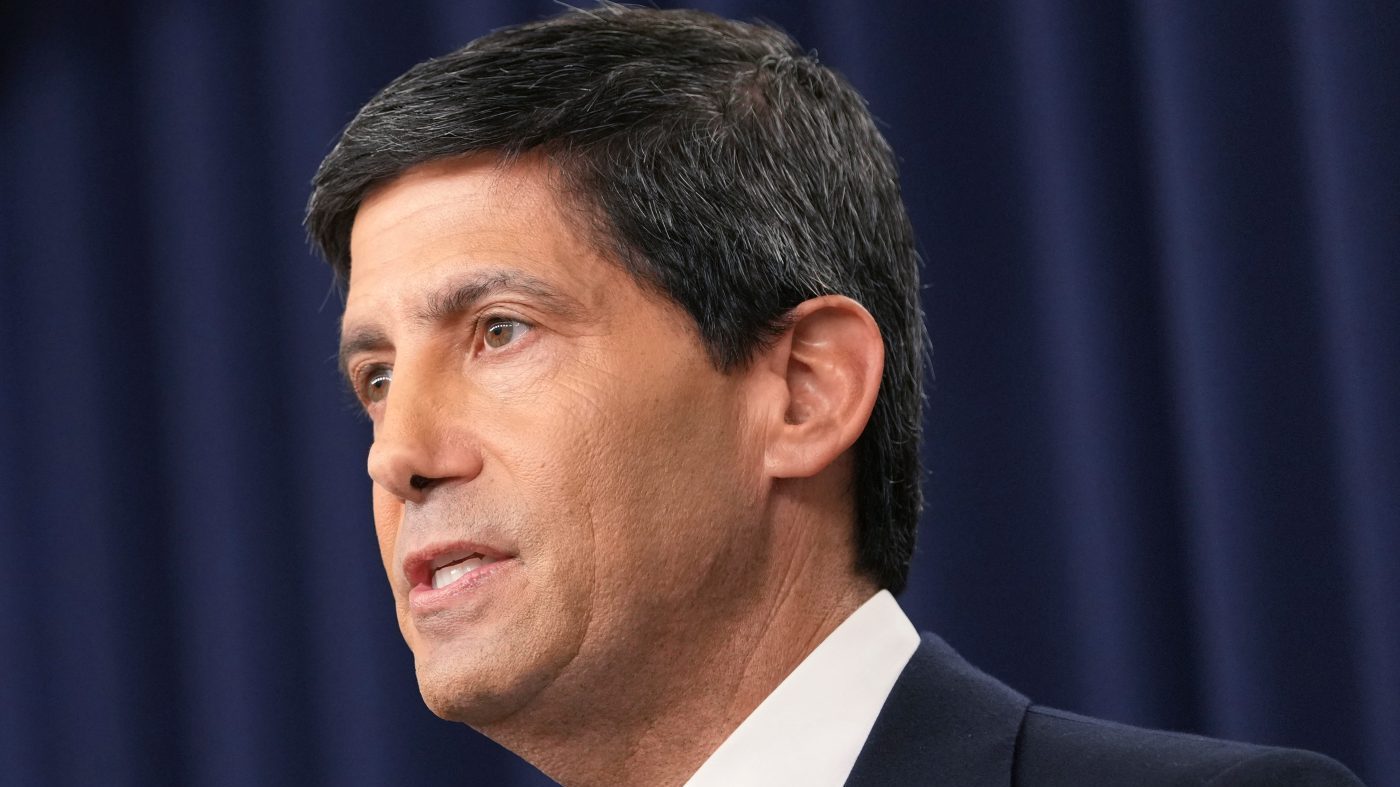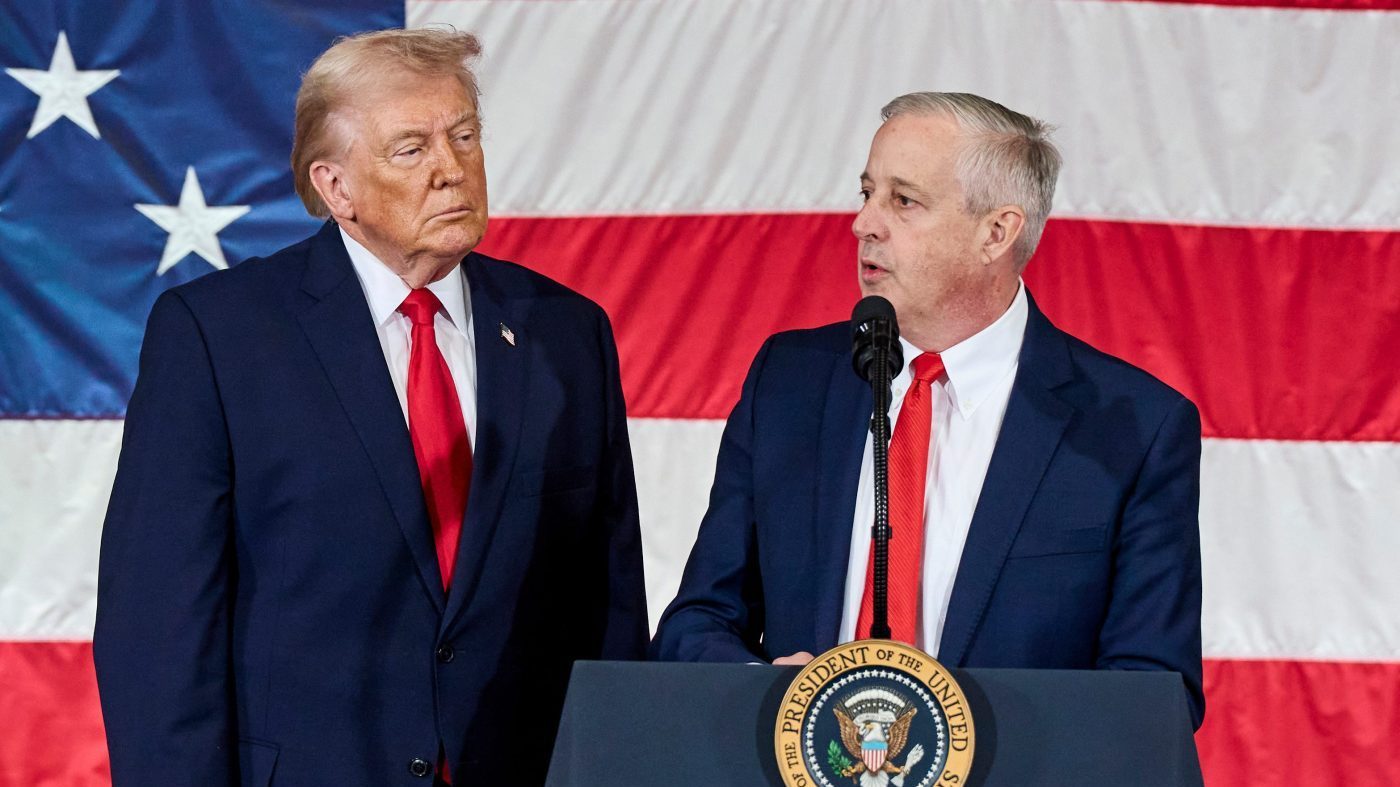
Kentucky Governor Andy Beshear, a Democrat, has launched a pointed religious critique against Vice President JD Vance, arguing the Republican has abandoned fundamental Catholic tenets in his unwavering defense of former President Donald Trump. Beshear contends Vance's support for Trump, who has repeatedly attacked Pope Leo XIV, and for a controversial AI-generated image, violates commandments against worshipping false idols and bearing false witness.
"I think what JD Vance is forgetting is the commandment that thou shalt not worship false idols," Beshear said during an interview on MSNBC's "MS NOW" with Jen Psaki. "Thankfully, he's a better apologist than he is a peace negotiator, and all he's doing is defending Donald Trump at all costs."
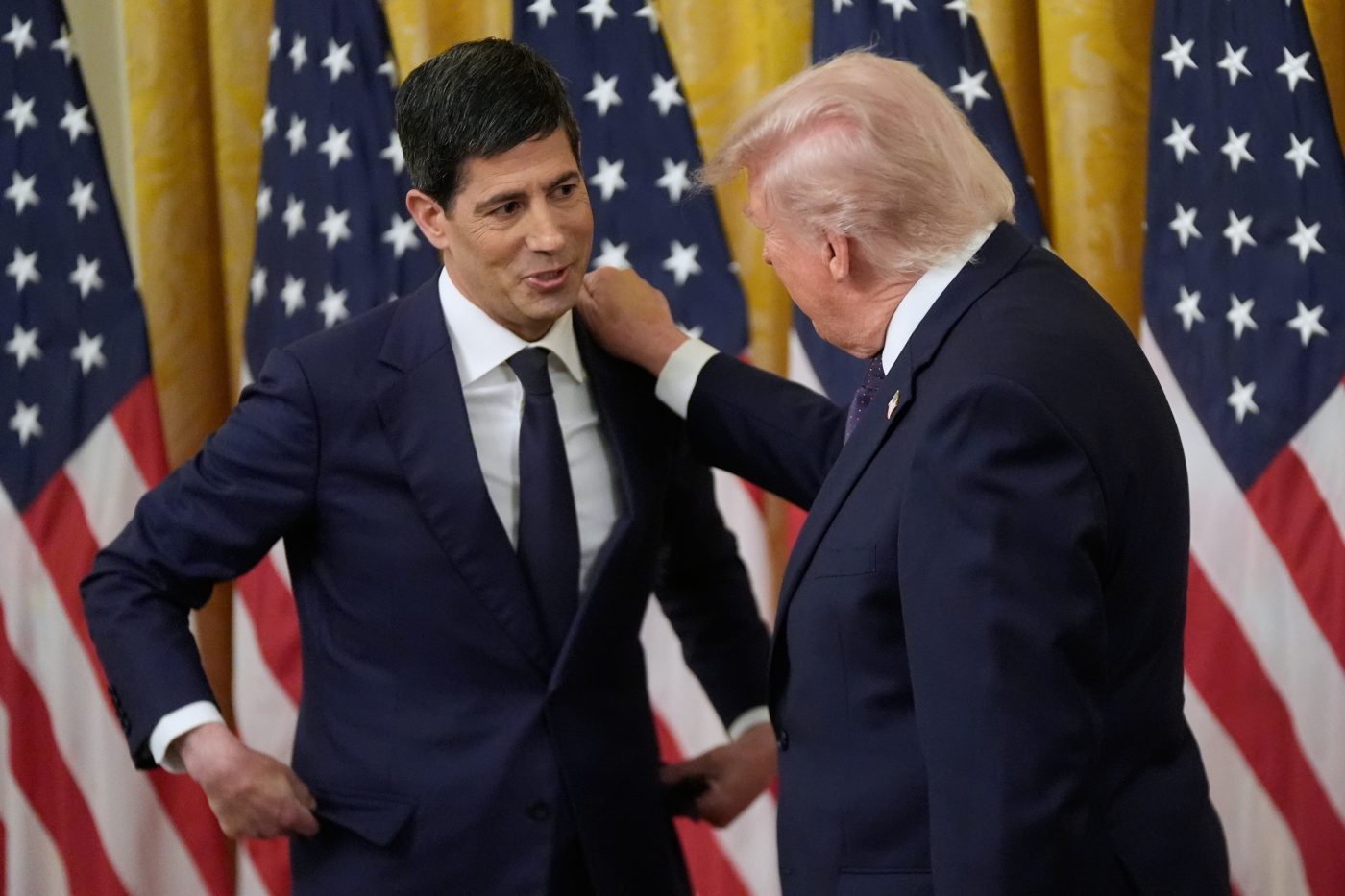
The governor, who has recently garnered national attention as a potential 2028 Democratic contender, specifically cited Trump's history of criticizing the pontiff. "This is a president who has attacked the pope multiple times, who is just trying to live out and speak the New Testament," Beshear stated. He then referenced the viral AI image that depicted Trump with a halo and stylized to resemble religious iconography, which Trump later claimed he believed showed him as a doctor. "He's apologizing for a guy who is picturing himself as Jesus and then claiming, 'No, I thought it was a doctor,' therefore violating 'thou shalt not lie.'"
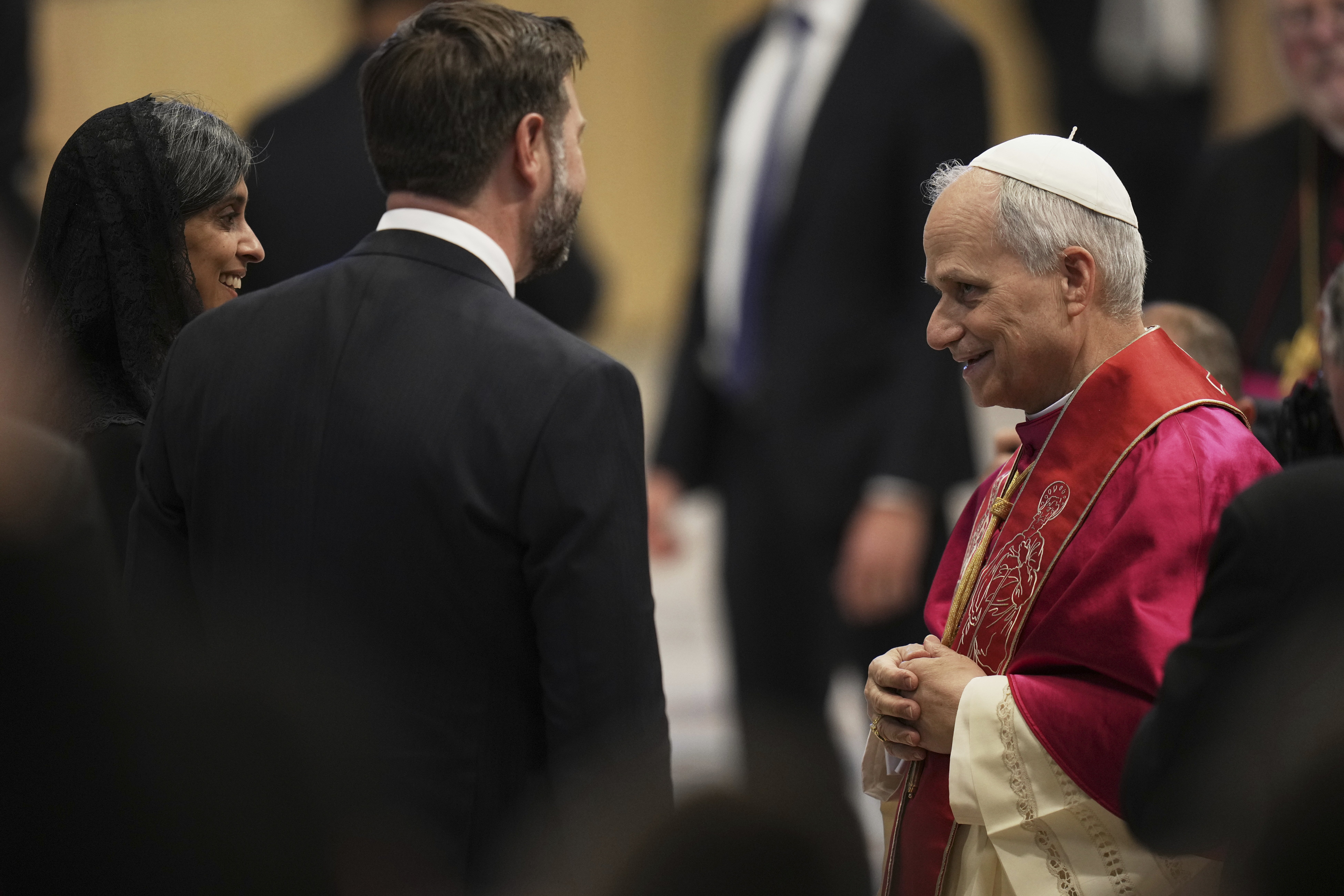
Beshear's comments arrive amid escalating tensions between the White House and the Vatican over the ongoing conflict in Iran. The United States, which conducted joint strikes with Israel on Tehran in February, is navigating a fragile two-week ceasefire. Pope Leo XIV has been vocally critical of the war, posting on social media platform X that "God does not bless any conflict" and warning, "Woe to those who manipulate religion and the very name of God for their own military, economic, and political gain." The latter statement was widely interpreted as a rebuke of Trump.
Vance, a practicing Catholic, has consistently defended the former president's posture toward the Pope, dismissing Trump's accusation that the pontiff is "weak on crime" as not "newsworthy." The Vice President has also downplayed the diplomatic rift as a distraction. On Tuesday, Vance directly addressed the Pope's opposition to the Iran conflict, cautioning him to "be careful" when discussing theological matters related to war.
The Vice President also defended the AI-generated image of Trump, characterizing it as a "joke." After Trump removed the post following backlash from some supporters, Vance claimed the former president did so "because he realized that a lot of people weren't understanding his humor." This defense forms the core of Beshear's accusation that Vance is facilitating violations of religious law for political loyalty.
The political and religious dispute unfolds against a tense geopolitical backdrop. On Wednesday, Senate Republicans again blocked a resolution intended to limit the president's war authority in Iran under the War Powers Act, ensuring executive discretion continues. Meanwhile, Vance's international engagements, including leading a delegation to Pakistan for ceasefire talks, highlight the high stakes of the administration's foreign policy.
Beshear's critique signals a willingness by some Democrats to engage Republicans directly on grounds of faith and morality, particularly as figures like Vance actively court conservative religious and youth voters. The exchange underscores how religion, politics, and war have become deeply intertwined in the current election cycle, with figures on both sides invoking divine authority to critique their opponents' policies and character.