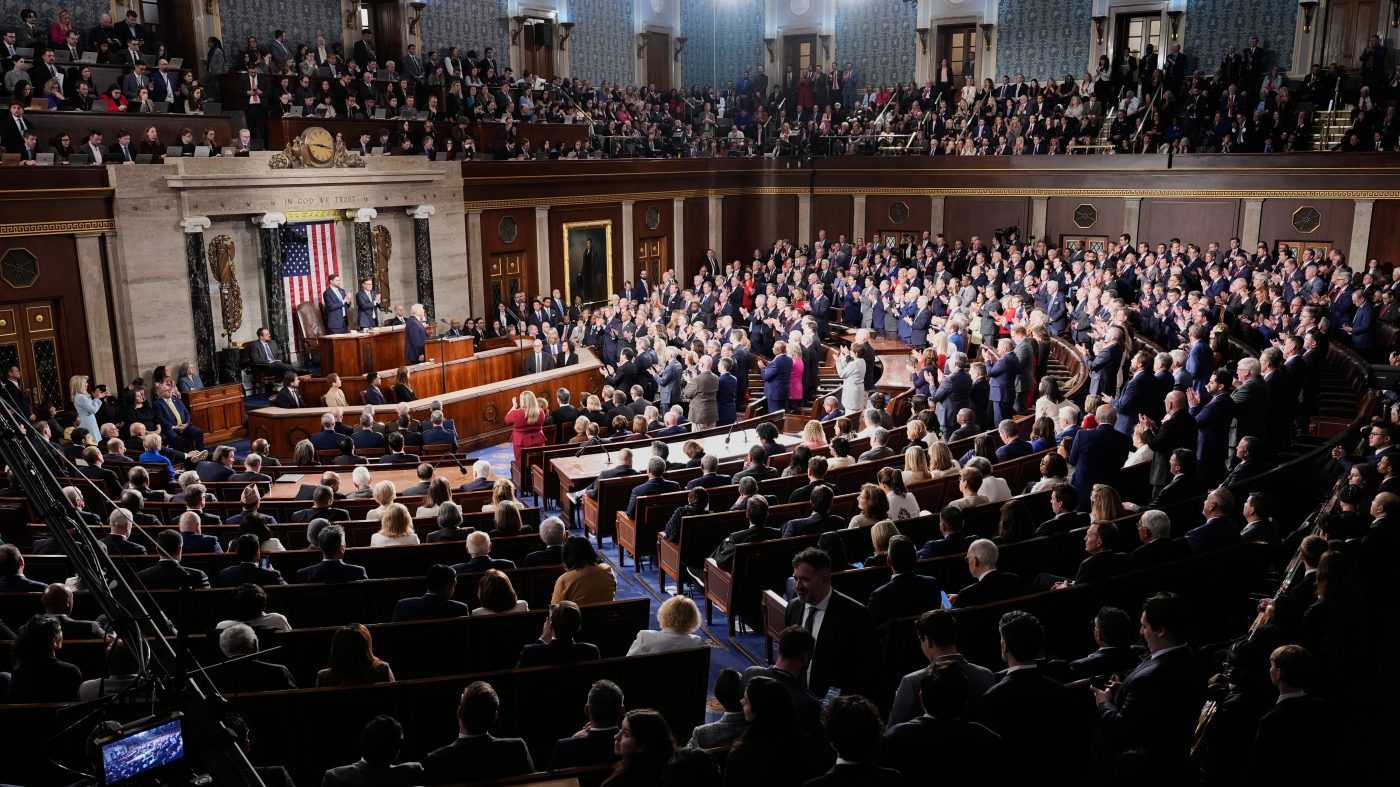
In a rare procedural victory for the minority, the House of Representatives passed a resolution on Thursday directing the Trump administration to extend Temporary Protected Status (TPS) for Haitian nationals. The measure passed 224-204, secured only after ten Republican members broke with their party leadership to vote with Democrats.
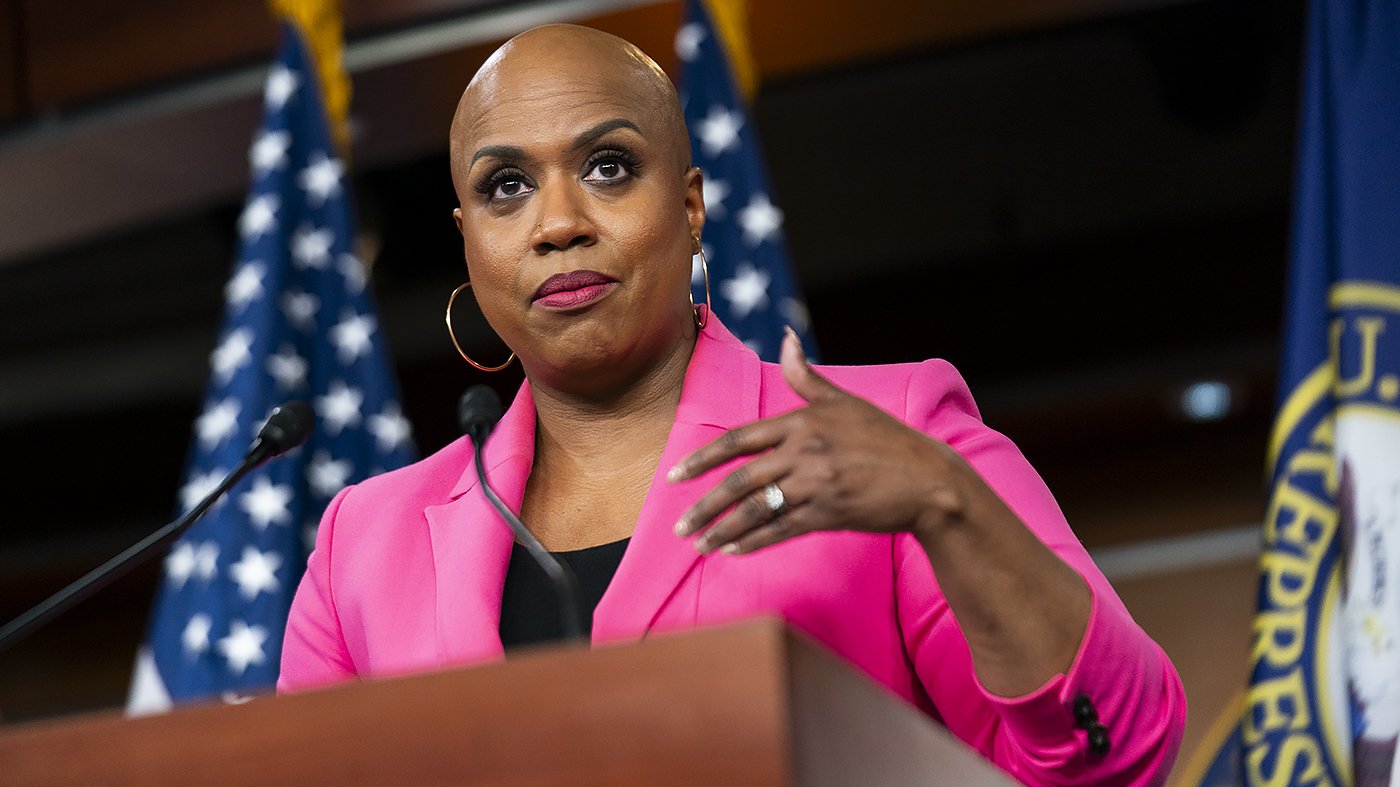
The vote was forced to the floor using a discharge petition, a parliamentary maneuver that allows the minority to bypass committee and leadership control if it secures 218 signatures. Led by Democratic Rep. Ayanna Pressley of Massachusetts, the petition succeeded in late March after garnering support from four Republican representatives: Brian Fitzpatrick of Pennsylvania, Mike Lawler of New York, Don Bacon of Nebraska, and Maria Elvira Salazar of Florida.

The successful petition represents a notable crack in Speaker Mike Johnson's control over the House agenda. While discharge petitions are rarely successful, this Congress has seen an unusual number reach the required threshold, highlighting persistent divisions within the GOP on key issues. This internal fracture mirrors other recent party splits, such as the GOP's internal debate over pursuing contempt charges in a separate investigation.
Republican Defectors Cite Humanitarian Crisis
The ten Republicans who voted for the resolution were Reps. Brian Fitzpatrick (Pa.), Mike Lawler (N.Y.), Don Bacon (Neb.), Maria Elvira Salazar (Fla.), Carlos Gimenez (Fla.), Nicole Malliotakis (N.Y.), Rich McCormick (Ga.), Mike Turner (Ohio), Mike Carey (Ohio), and Mario Diaz-Balart (Fla.). Independent Rep. Kevin Kiley of California, who caucuses with Republicans, also voted in favor.
In defending their positions, several Republicans pointed to the dire conditions in Haiti. "There is no question that TPS is meant to be temporary, but in order to effectuate the immigration laws of this country, we have to be honest when we are enacting it," said Rep. Mike Lawler at a press conference. "Sending people back to Haiti to unsafe conditions when they are currently here lawfully is unjust and unwise."
Rep. Carlos Gimenez of Florida, whose district includes a significant Haitian community, echoed this sentiment before the vote. "Haiti is a mess, and I don't think it's right to send... the good, law-abiding Haitians... back to Haiti," he stated, arguing that those with protected status have been working legally.
Legal and Political Context of TPS
The TPS program, created in 1990, provides deportation relief and work authorization to foreign nationals from countries deemed unsafe due to conflict, natural disaster, or other extraordinary conditions. The Trump administration has moved to terminate the designation for Haiti, contending the original conditions prompting protection have improved. That policy was set to take effect recently but was temporarily blocked by a federal judge amid an ongoing legal challenge now before the Supreme Court.
Democratic proponents framed the vote in stark humanitarian terms. "Let us be clear about what deportation would mean," said Rep. Pressley. "We would be sending parents back into danger, ripping our seniors away from their caregivers... To deport anyone to a country that is grappling with layered political, humanitarian and economic crises is unconscionable." The debate underscores a broader national conflict over immigration enforcement, occurring even as Congress grapples with questions of executive authority in other areas, such as the recent House action upholding presidential war powers regarding Iran.
The resolution now moves to the Senate, where its prospects are uncertain. It faces strong opposition from many Republicans and the administration, making passage an uphill battle. The outcome will directly affect thousands of Haitian nationals residing in the U.S. and signals the ongoing political struggle over immigration policy, an issue that continues to reveal fissures within both parties even as they find rare moments of bipartisan agreement on other matters like tax policy.