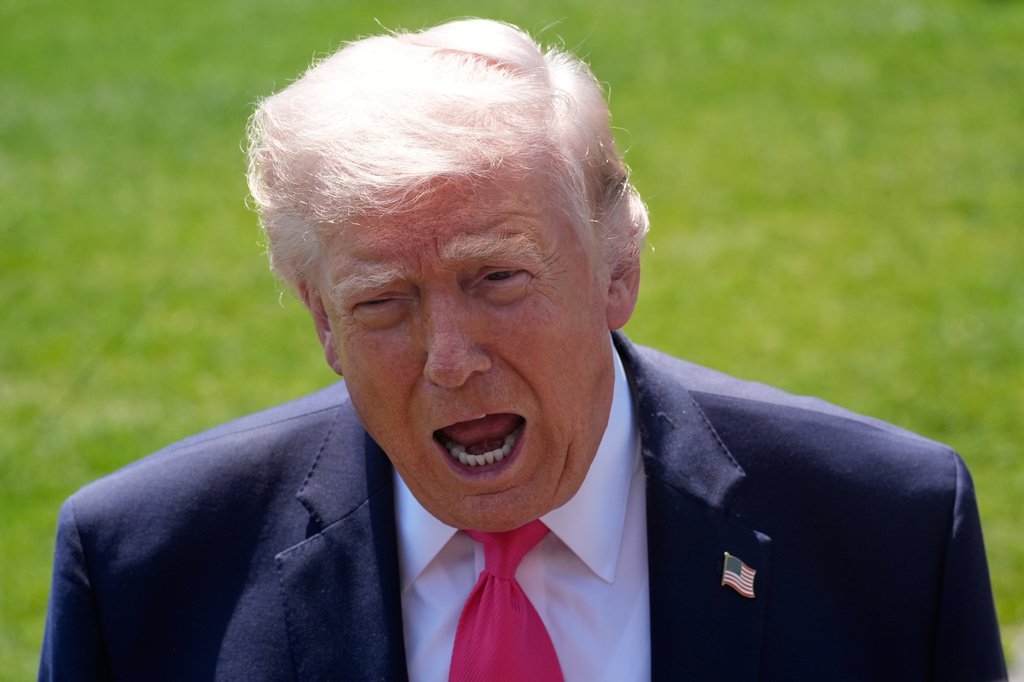
President Donald Trump confirmed Thursday that he has directed a White House review of unverified intelligence concerning the alleged deaths and disappearances of American nuclear scientists. The president characterized the matter as "pretty serious stuff" to reporters after departing the meeting.
"I just left a meeting on that subject," Trump said, adding that he hoped the cases were coincidental but that "some of them were very important people." He indicated that more clarity on the situation could emerge within "the next week and a half."
Unconfirmed Reports Spark Concern
The president's remarks follow growing, though unsubstantiated, reports within scientific and defense circles about a pattern involving experts in nuclear technology, space, and defense. No official links have been established between the individual cases, which have been cited in media reports.
Outlets including Newsweek have referenced one specific case involving Michael David Hicks, a veteran scientist from NASA's Jet Propulsion Laboratory who died in 2023 without a public cause of death. According to these reports, Hicks' case is among at least nine involving U.S. specialists in sensitive fields.
White House Signals Potential Probe
The administration's attention to these reports was first signaled a day earlier by White House Press Secretary Karoline Leavitt. During a press briefing, Leavitt told a reporter she would consult with relevant agencies on the matter.
"If true, of course, that's definitely something I think this government and administration would deem worth looking into," Leavitt stated, promising to follow up after speaking with intelligence and law enforcement officials.
The development occurs amid a series of other national security and political challenges for the administration. Recently, a breach of the White House perimeter resulted in an injured Secret Service officer, highlighting ongoing security concerns. Furthermore, Trump's foreign policy moves, including his approach to Iran, continue to draw scrutiny, with critics like Vice President Kamala Harris blaming his strategy for contributing to rising fuel costs.
The president's focus on this unconfirmed intelligence also intersects with his broader political agenda and disputes. His recent signaling of a potential diplomatic trip to Pakistan regarding Iran underscores the complex geopolitical landscape surrounding nuclear issues. Domestically, Trump remains embroiled in cultural and religious debates, including a public feud with Catholic leadership that some analysts suggest has impacted his standing, as his approval among Catholic voters has shown recent decline.
The lack of confirmed details from intelligence agencies leaves the substance of the reports in question. The administration has not disclosed which specific cases were discussed, what agencies participated in the meeting, or what criteria would trigger a formal investigation.
Trump's decision to publicly acknowledge the review elevates the profile of these unconfirmed claims, ensuring they will face immediate scrutiny from Congress, the media, and the scientific community demanding evidence and transparency.