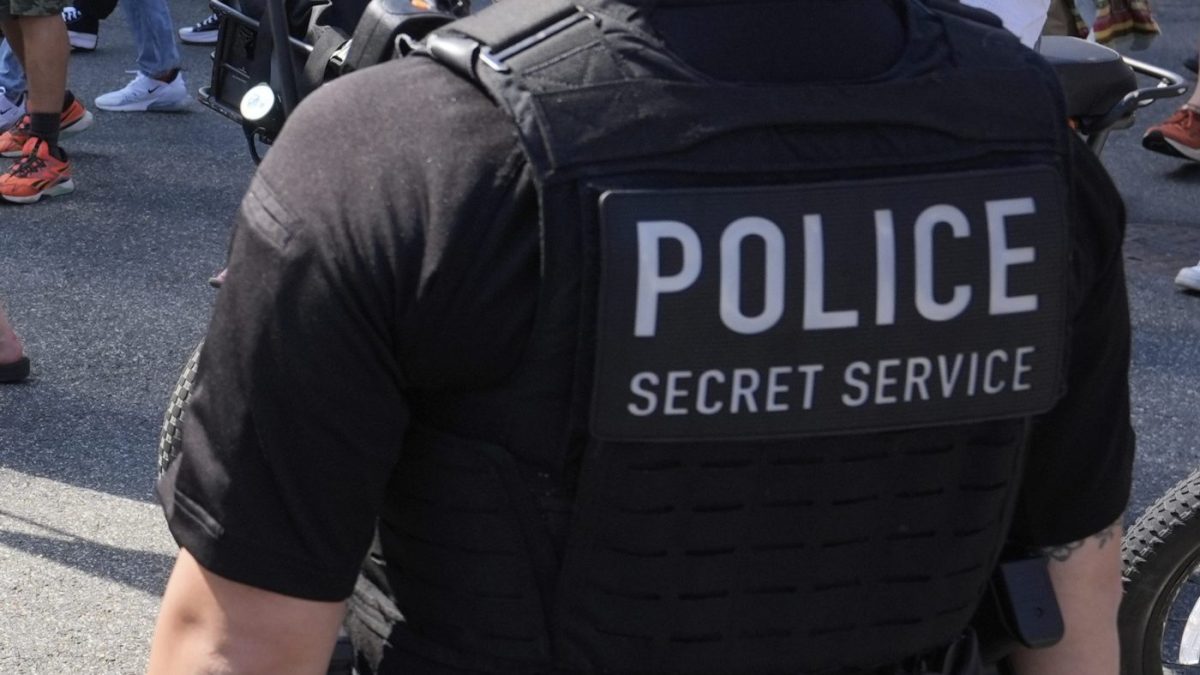
Secret Service agents apprehended an individual Thursday morning following an attempt to breach the security perimeter surrounding the White House. The incident, which resulted in minor injuries to a federal officer, underscores ongoing security challenges at the nation's most protected residence.
According to Secret Service communications chief Anthony Guglielmi, the event unfolded around 11:30 a.m. EDT on the northeast side of the presidential complex. The suspect reportedly jumped over a temporary construction barrier near the Treasury Building before approaching a pedestrian gate.
"Officers encountered the individual near a pedestrian gate, where he engaged in a physical altercation before being taken into custody," Guglielmi stated. He confirmed that one officer sustained a laceration during the confrontation. Both the agent and the detained suspect received medical evaluations for what were described as minor injuries.
Authorities have not yet released the identity of the individual or disclosed potential charges. The investigation into the suspect's motives and background remains active.
Pattern of Perimeter Incidents
This latest breach attempt follows a similar event last month, when a man drove a van through a security barricade near the White House in the early hours of March 11. In that incident, 35-year-old Ohio resident Christopher Cavanaugh was charged with unlawful entry and destruction of property.
Reports indicated Cavanaugh was wearing apparel supporting former President Donald Trump at the time of the crash. He allegedly told interrogating agents he was at the White House to "deliver a present." This follows other security lapses, including an unrelated case where a Chicago man was charged with threatening Secret Service personnel.
Last October, another individual was taken into custody after deliberately ramming a vehicle into a White House security gate on the complex's northeast perimeter. That suspect was immediately apprehended by officers.
Security and Political Context
These repeated incidents at one of the world's most high-profile security locations raise questions about perimeter defense protocols. They occur amid broader national security discussions, including debates over the massive defense budget recently defended by Army Secretary Driscoll and ongoing scrutiny of classified information handling, as seen in the indictment of a former Army analyst for allegedly leaking to a journalist.
The Secret Service, tasked with protecting the president and key assets, routinely faces evolving threats. While physical barriers have been reinforced in recent years, determined individuals continue to test these defenses. The agency's response time and containment effectiveness during Thursday's incident prevented a more serious breach.
As the investigation proceeds, officials will likely review whether additional physical or procedural security measures are warranted. These incidents collectively highlight the persistent tension between maintaining public accessibility to national landmarks and ensuring absolute security for the executive branch.