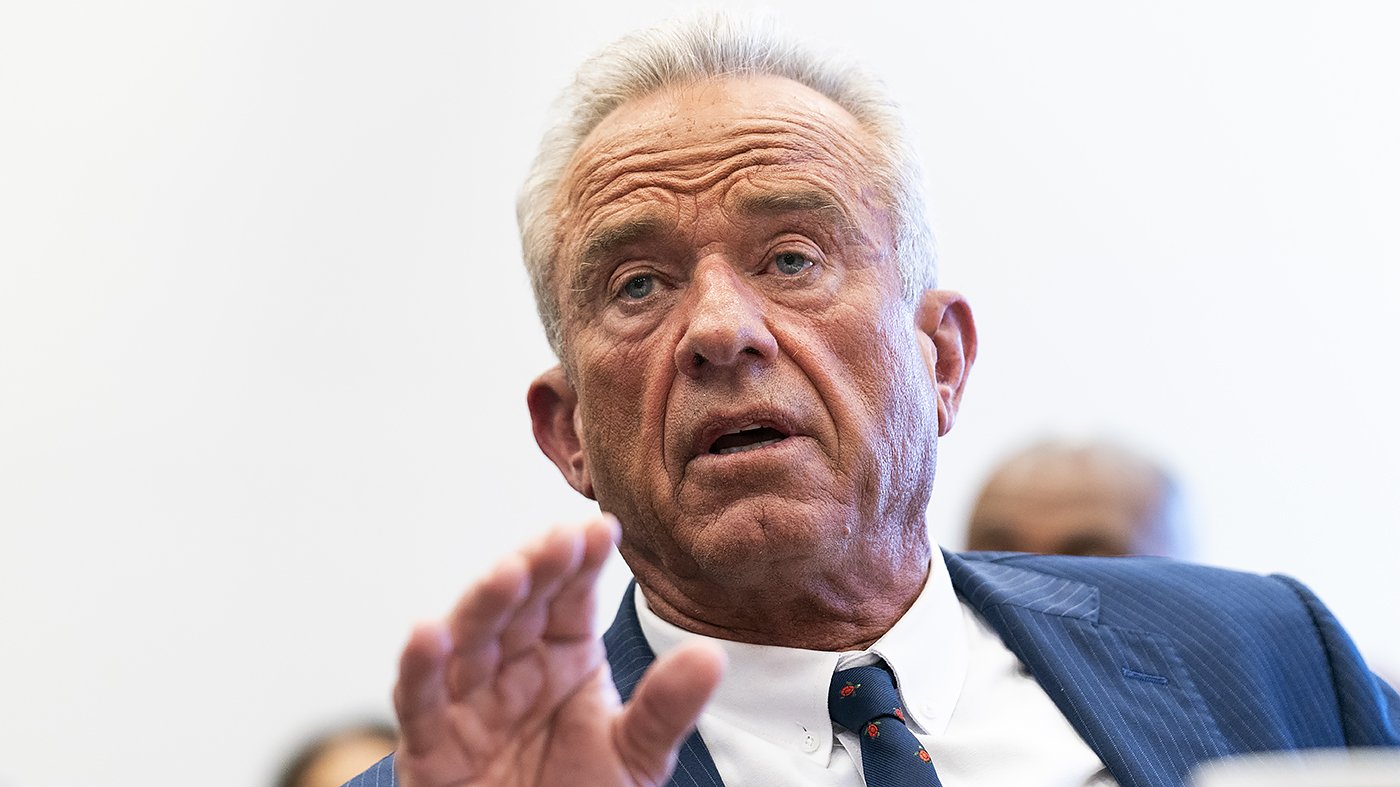
Health and Human Services Secretary Robert F. Kennedy Jr. returns to Capitol Hill on Friday for his third congressional hearing in two days, facing the House Education and Workforce Committee to outline the administration's healthcare agenda. The appearance follows a marathon series of testimonies on Thursday that marked Kennedy's first congressional appearances of 2026.
On Thursday, Kennedy defended the Trump administration's fiscal 2027 budget request for HHS and its "Make America Healthy Again" initiative before two separate House committees. The secretary maintained consistent messaging throughout the sessions, even as Democratic lawmakers challenged proposed budget reductions and questioned his department's approach to vaccine policy.
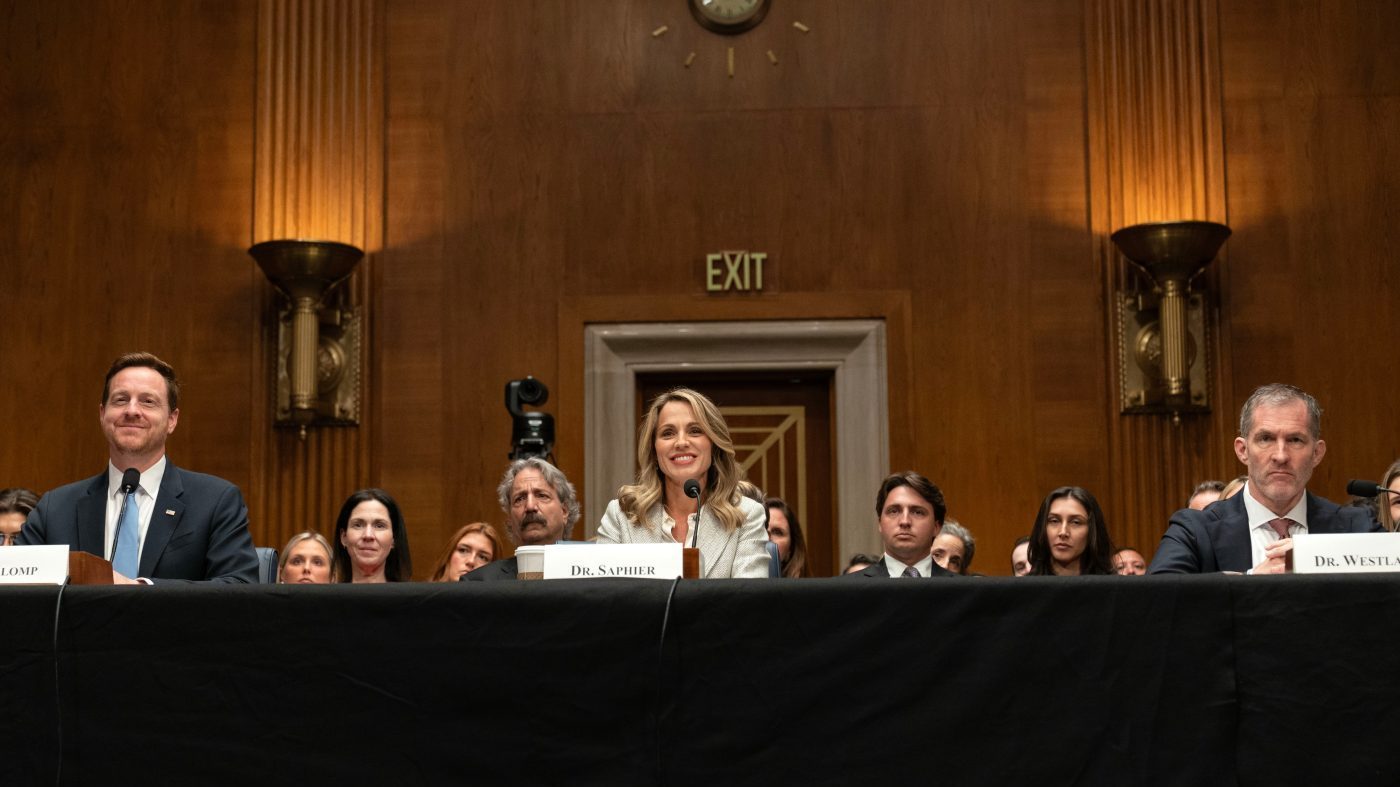
The Friday hearing before the Education and Workforce Committee focuses specifically on healthcare priorities, giving Kennedy another platform to advocate for the administration's vision. This comes as progressive organizations have intensified their criticism of Kennedy's tenure ahead of this week's congressional appearances.
Kennedy's defense of the 2027 health budget places him alongside other Trump cabinet members who have faced congressional scrutiny over spending priorities. The hearing dynamics mirror those experienced by Budget Director Russ Vought during recent appropriations battles, where administration officials have consistently defended proposed cuts against Democratic opposition.
The secretary's testimony occurs against a backdrop of broader policy debates about healthcare data and technology. As artificial intelligence rapidly transforms medical services, Kennedy's department faces increasing pressure to balance innovation with patient privacy protections—a tension likely to surface during questioning.
Thursday's hearings revealed clear partisan divisions, with Democrats pressing Kennedy on how proposed budget reductions would affect specific programs and vulnerable populations. The secretary countered by emphasizing efficiency improvements and the administration's commitment to what it describes as market-based healthcare solutions.
The vaccine policy discussions proved particularly contentious, reflecting ongoing national debates about public health authority. Kennedy's responses suggested the administration continues to favor approaches that emphasize state flexibility over federal mandates, a position that has drawn both support and criticism from various stakeholders.
Friday's session, scheduled for 9 a.m. EDT, represents Kennedy's final scheduled appearance in this series of hearings. Committee members are expected to probe not only budget specifics but also implementation timelines for the "Make America Healthy Again" agenda and how HHS priorities align with broader administration goals.
The hearings come during a period of significant budgetary tension across federal agencies. Similar conflicts have emerged in defense spending debates, where administration officials have defended substantial budget requests amid interdepartmental disagreements.
As healthcare remains a central issue in the 2026 political landscape, Kennedy's performance in these hearings could influence both policy direction and the public perception of the administration's health agenda. The secretary's ability to articulate and defend these priorities before skeptical lawmakers will be closely watched by political observers and healthcare stakeholders alike.