A significant shift in religious attitudes among young Americans has emerged, with men under 30 now reporting that faith plays a more central role in their lives than their female peers, according to new data from Gallup. The findings, released Thursday, mark a reversal of a longstanding demographic pattern and arrive amid intense political debate over the role of religion in the 2026 midterm elections.
A Reversed Gender Gap
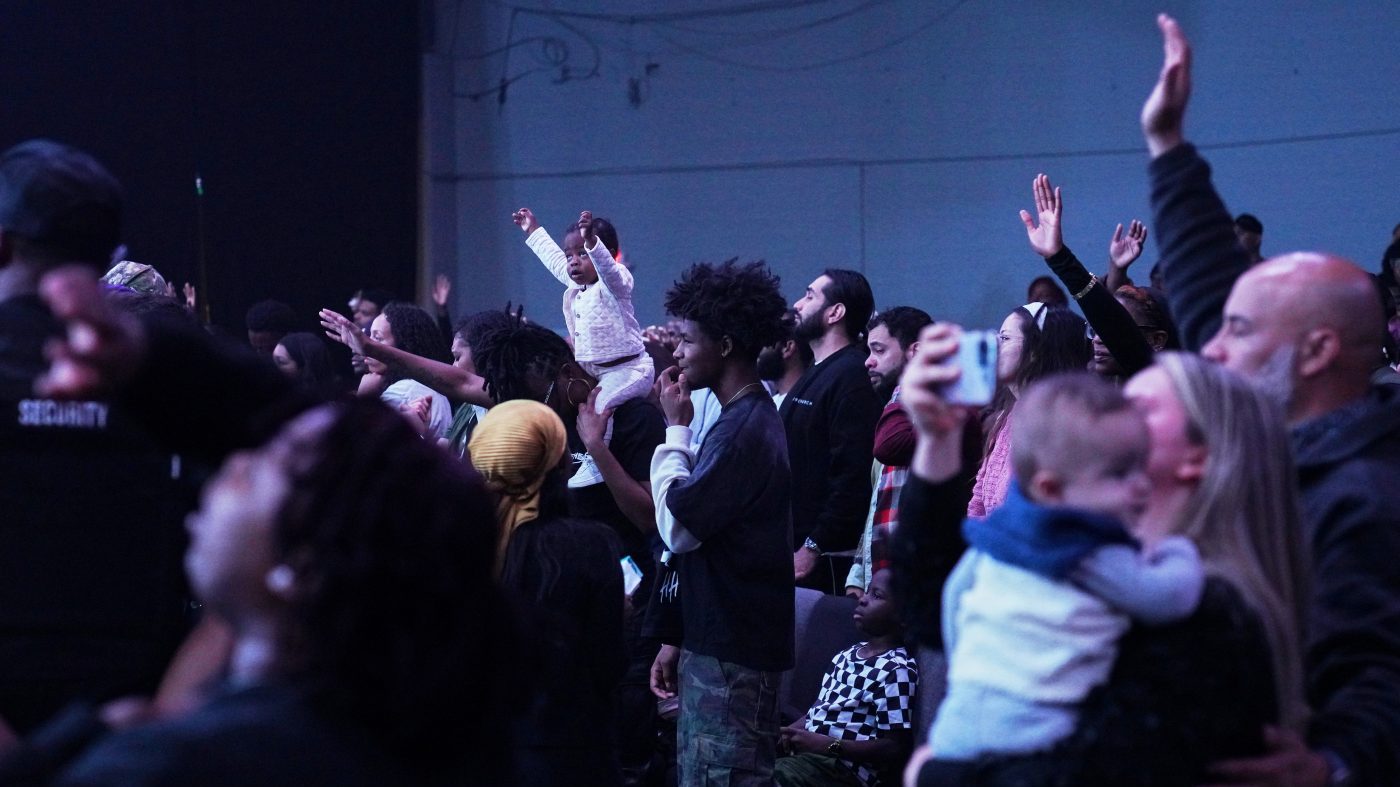
The survey, conducted via telephone between 2024 and 2025, found that 42% of men aged 18 to 29 described religion as "very important" to them. In contrast, only 29% of women in the same age group said the same, creating a 13-point gender gap favoring young men. This represents a dramatic change from just two years prior. Between 2022 and 2023, Gallup data showed the opposite: 32% of young women and 28% of young men considered religion very important.
The 14-point surge in religious importance among young men since the 2022-2023 period indicates a growing engagement with faith within this demographic. The poll surveyed 145 women and 295 men in this age bracket, with a margin of error ranging from approximately 7 to 10 percentage points.
Political and Electoral Context
The poll's release coincides with a period of heightened political focus on religious voters. A significant portion of former President Donald Trump's base consists of white Christian voters. Pre-2024 election polling from Pew Research showed overwhelming support for Trump among white evangelicals (82%) and majority support among white Catholics (61%). Conversely, groups like Black Protestants, Hispanic Catholics, and Jewish voters largely favored the Democratic candidate.
This alignment has persisted. A separate Pew poll released Thursday found two-thirds of white evangelicals believe Trump defends people with religious beliefs similar to theirs. However, Trump's recent use of religious imagery has sparked internal Republican concern and external backlash.
Controversy Over AI-Generated Imagery
Trump recently ignited controversy by posting, and later deleting, an AI-generated image on Truth Social that appeared to depict him as Jesus Christ, claiming he believed it portrayed him as a doctor. He has since doubled down, reposting another AI-created photo showing him embraced by Jesus, captioning it, "The Radical Left Lunatics might not like this, but I think it is quite nice!!!"
The move drew sharp criticism from across the political spectrum, including from former ally Rep. Marjorie Taylor Greene (R-Ga.). "Trump knows what he is doing," Greene wrote on X. "He knows how to manipulate his followers. And he's not sorry, he never apologized. Instead he lied, and said he was a doctor, which is also absurd." This public feud follows broader condemnation from religious leaders, including Pope Leo XIV's recent criticism of the political use of religion.
Republican Strategists Voice Midterm Concerns
Some Republican operatives worry these actions, along with Trump's criticism of Catholic leadership, could distract from core economic messages ahead of the November midterms. With voters focused on issues like affordability, strategists fear controversial religious posts may not drive turnout. Public concern over economic burdens remains high, according to other Gallup data, creating a potential disconnect.
Mick Mulvaney, Trump's former chief of staff, expressed skepticism that the posts would help Republican chances. "The midterms are all about turnout," Mulvaney said. "Republicans need Trump voters to show up in November. I'm not sure any Republicans think the 'Jesus/doctor' post thing encourages people to get to vote GOP."
The internal GOP tension highlights the complex intersection of faith, demographics, and political strategy. As the Gallup poll reveals a shifting landscape of religious importance among a key youth demographic, both parties are calibrating their outreach. The data suggests young men are becoming a more distinct constituency on matters of faith, even as the political utility of religious symbolism faces scrutiny from within the Republican coalition. These dynamics unfold as Democratic groups mobilize their own resources for the coming electoral battle.