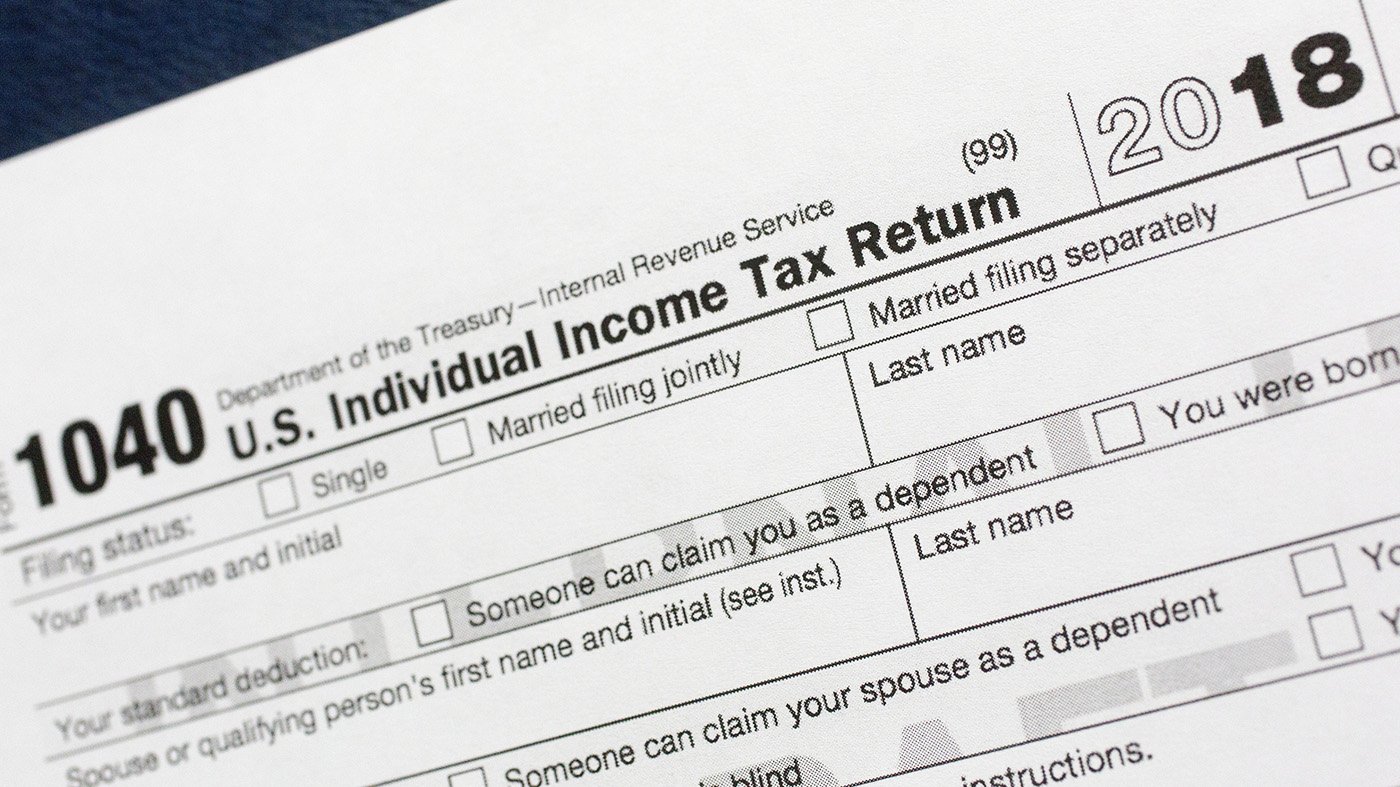
A persistent majority of Americans continue to view their federal tax burden as excessive, according to the latest survey from Gallup, with nearly six in ten expressing dissatisfaction for the fifth year running. The poll, conducted in early March, reveals that 59% of respondents believe they pay too much in taxes, while 37% consider their levy about right and a mere 3% say it is too low.
Long-Term Sentiment Remains Negative
"Americans' views of their taxes have remained near their most negative levels in two decades for the past three years, both in perceptions of the amount paid and whether it is fair," the polling organization stated. This stretch of discontent began in 2022 when 54% said taxes were too high, climbing to 60% in 2023, dipping to 56% in 2024, and settling at 59% in the current survey.
Gallup analysts note that while these figures are high compared to the roughly 50% average seen in the early 2000s—a period influenced by the first major tax cuts under former President George W. Bush—they still fall below the more severe discontent recorded between the 1970s and 1990s. During those decades, consistently more than 60% of Americans labeled their taxes as excessive.
Fairness and Partisan Divides
The survey also measured perceptions of tax fairness, finding Americans nearly evenly split. Forty-seven percent believe the income tax they owe is fair, a figure hovering close to the record low of 45% recorded in 1999. Conversely, 49% deem their taxes unfair, just two percentage points below the peak dissatisfaction of 51% reached in 2023.
Sentiment breaks down along predictable partisan lines, though with notable intensity among independents. Sixty-four percent of political independents say their taxes are too high, followed by 60% of Republicans and 49% of Democrats. The number of independents holding this view has remained steady since 2023, while Republican dissatisfaction has declined from a peak of 71% in 2025. Democratic discontent, however, has risen from 39% in recent years.
Economic Context and Policy Impact
Gallup suggests that recent policy changes, including the exemption of tip income and enhanced tax deductions for seniors enacted in 2025, could eventually shift public opinion as more taxpayers file returns this season. However, the firm cautions that broader economic pressures may outweigh any perceived relief. "With the Iran war pushing up gas and other consumer prices, Americans' eroding purchasing power may matter more to perceptions than whatever relief they get from Uncle Sam," the analysis noted. This aligns with other surveys showing rising public anxiety over energy costs linked to Middle East instability.
The persistent tax discontent occurs against a backdrop of wider economic strain, where many households are cutting discretionary spending and some are even turning to high-risk investments in search of financial security. This economic pressure forms a crucial context for the ongoing political debate over fiscal policy and government revenue.
The Gallup survey was fielded from March 2-18 with a sample of 1,000 U.S. adults and carries a margin of error of plus or minus 6 percentage points. As the tax filing deadline passes and voters assess their financial standing, this enduring perception of an excessive tax burden is likely to remain a potent issue in the national political conversation, influencing debates from budget proposals to emerging policy ideas like AI-related labor taxes.