Maritime Confrontation Escalates Amid Diplomatic Freeze
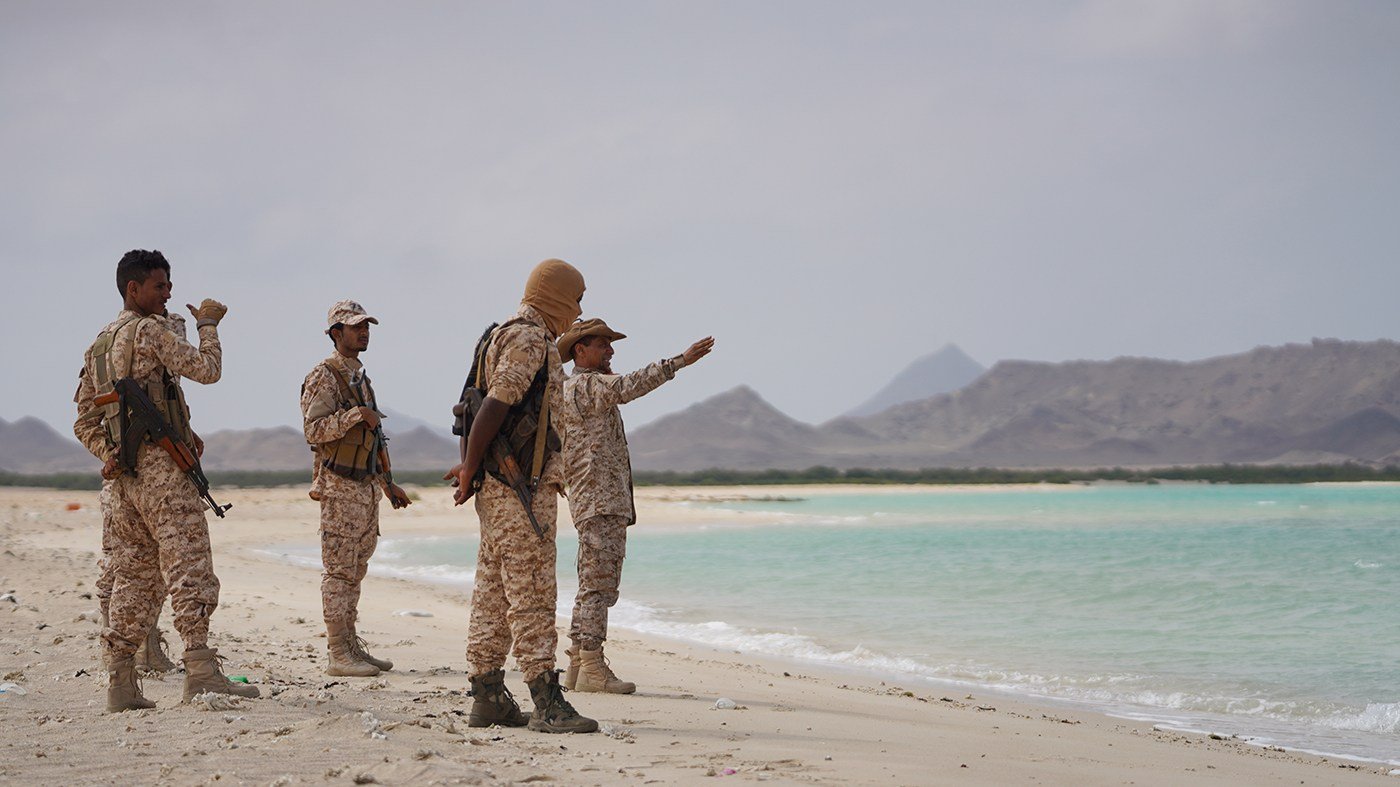
Iranian military forces conducted attacks resulting in the seizure of at least two commercial cargo vessels transiting the Strait of Hormuz on Wednesday. This aggressive maritime action comes as diplomatic negotiations between Tehran and Washington appear to have reached a complete standstill, creating a volatile situation at one of the world's most crucial energy chokepoints.
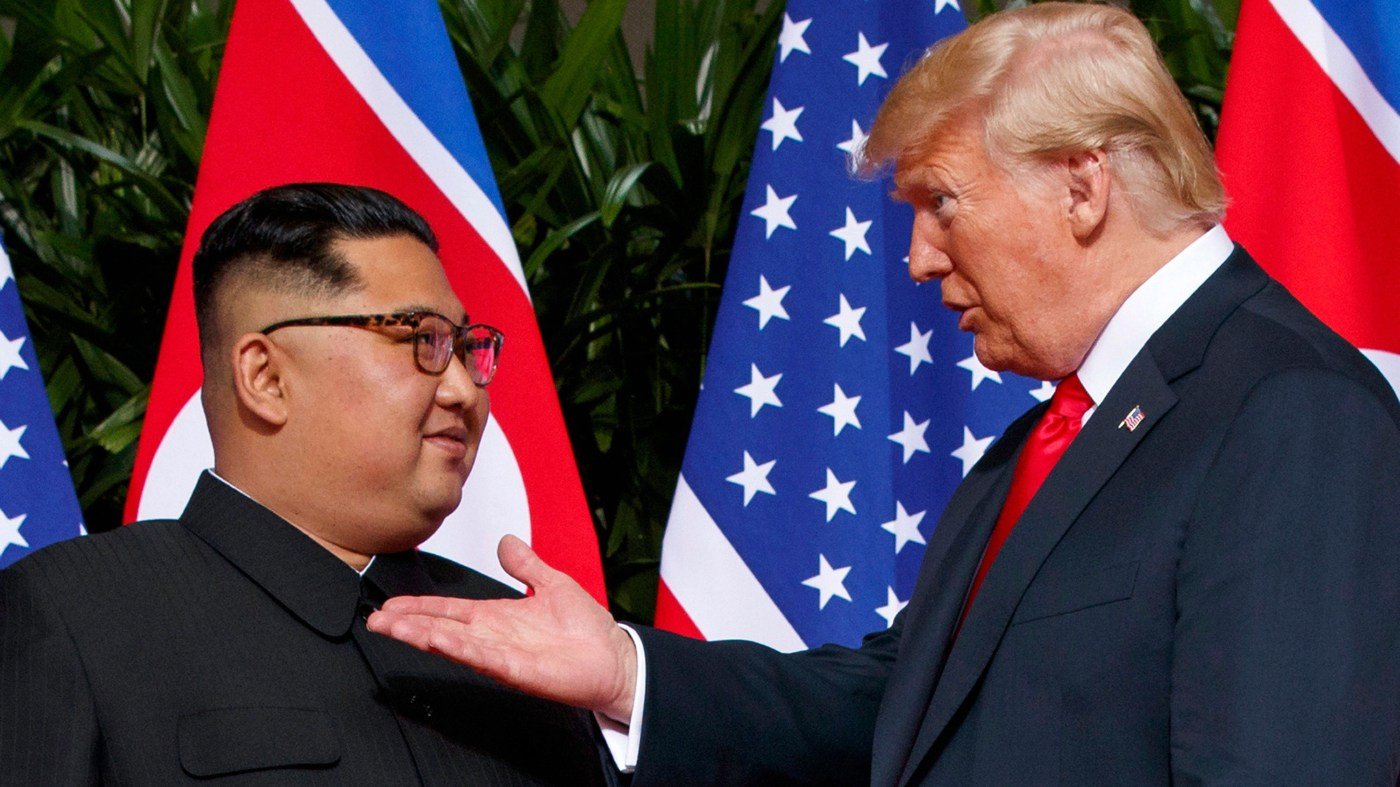
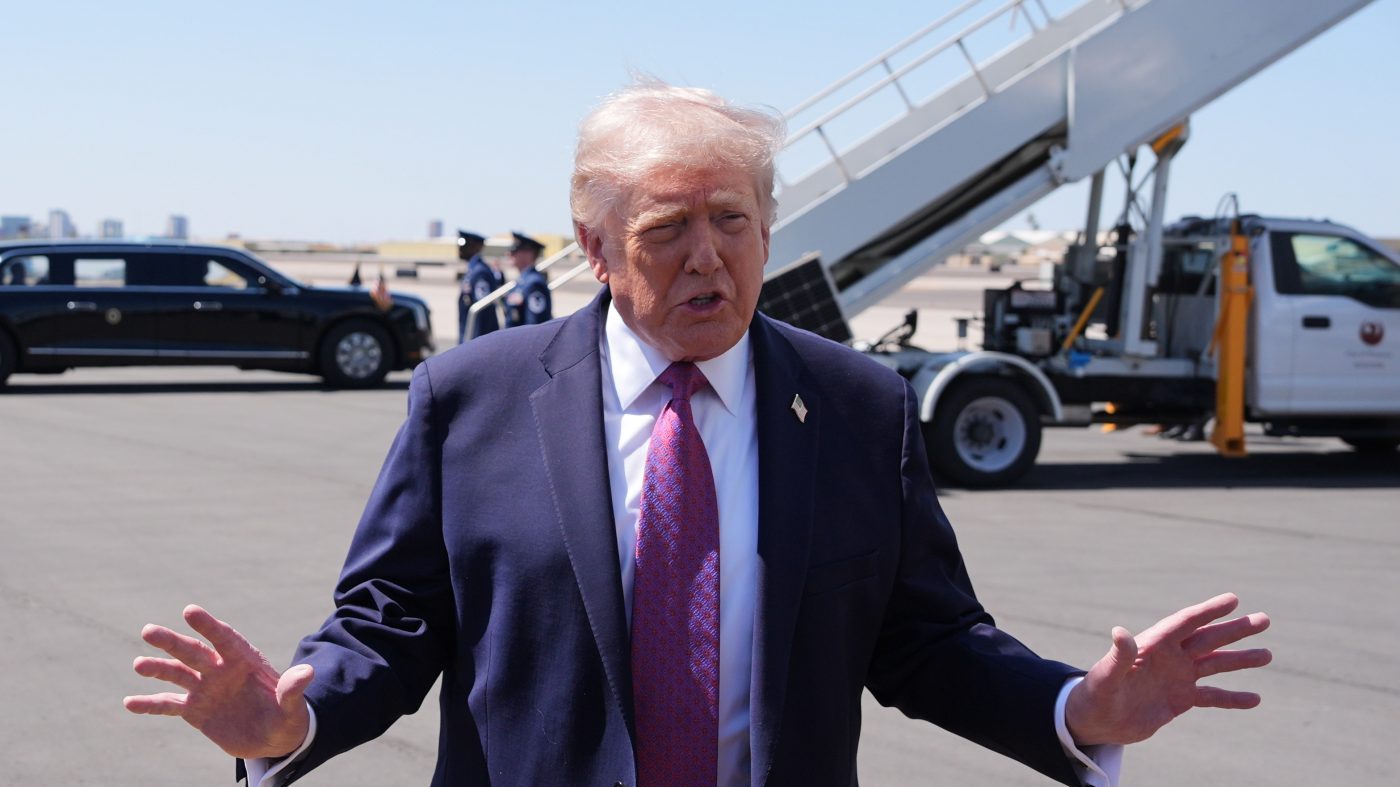
The incident follows a significant policy reversal from the White House. President Donald Trump announced an indefinite extension of the U.S. ceasefire with Iran on Tuesday, a move that came mere hours after he publicly stated he had no intention of prolonging the temporary peace. This abrupt shift leaves substantial uncertainty regarding what, if any, sustainable agreement the administration can ultimately secure with the Iranian regime.
Domestic Political Maneuvers Unfold
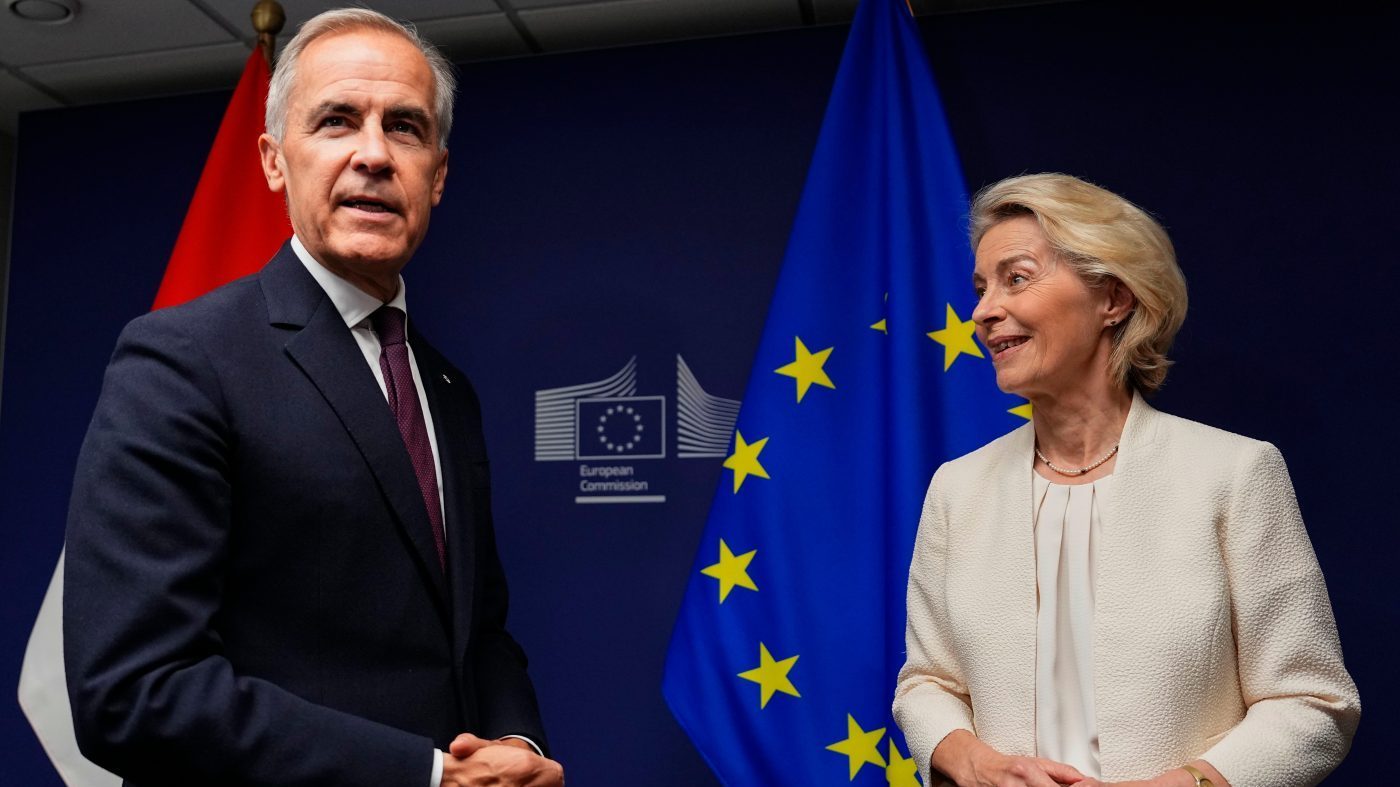
While international tensions simmer, domestic political battles continue. Democrats secured a notable victory in redistricting efforts on Tuesday, with Virginia voters approving a measure to redraw congressional district lines. This development represents a strategic win in the ongoing nationwide battle over electoral maps.
On Capitol Hill, Senate Republicans are engaged in a rushed effort to pass a budget reconciliation package specifically designed to fund Immigration and Customs Enforcement (ICE) and Customs and Border Protection (CBP). The legislative push highlights continued focus on immigration enforcement as a budgetary priority.
Administration Officials Face Congressional Scrutiny
A slate of high-ranking Trump administration officials are scheduled to testify before Senate committees. The roster includes Interior Secretary Doug Burgum, Treasury Secretary Scott Bessent, Commerce Secretary Howard Lutnick, and Health and Human Services Secretary Robert F. Kennedy Jr. Their testimonies will cover a range of departmental policies and priorities.
Concurrently, the House of Representatives will host a hearing featuring U.S. Trade Representative Jamieson Greer, who is expected to outline and defend the president's current trade agenda. These hearings occur against the backdrop of a Supreme Court session in Washington, with opinions scheduled for release Wednesday morning.
The seizure of vessels in the Strait of Hormuz immediately raises global economic alarms, given that approximately one-fifth of the world's oil supply passes through this narrow waterway. Analysts warn that such actions could trigger a significant disruption to global energy markets and necessitate a robust international response. The situation remains fluid, with the potential for rapid escalation depending on the U.S. and allied reactions to Iran's latest provocation.
This maritime incident underscores the fragile nature of the U.S.-Iran ceasefire, which analysts describe as hanging by a thread. The Trump administration's strategy, marked by the president's sudden reversal on extending the ceasefire, appears to be facing a critical test. The international community watches closely to see if diplomatic channels can be revived or if the region is headed toward a more severe confrontation.