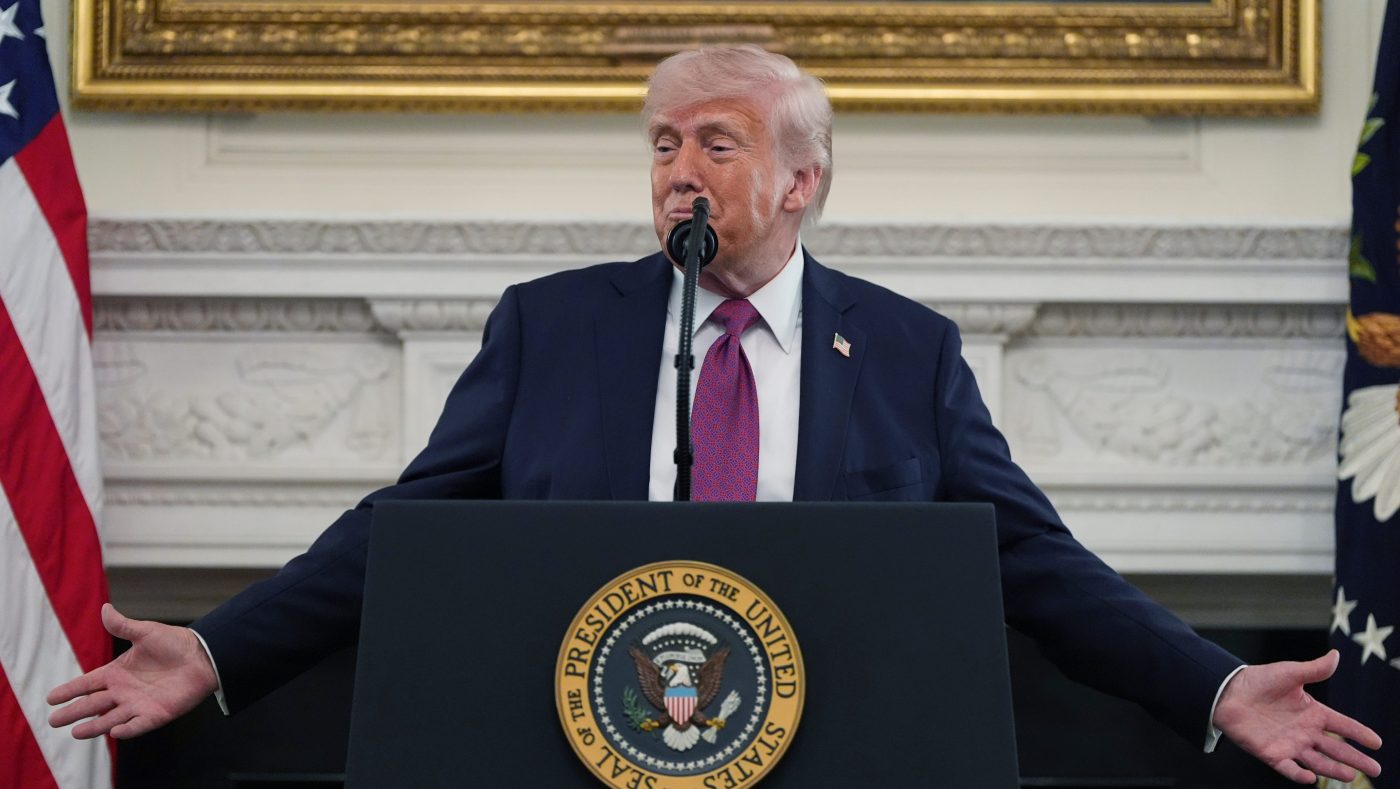
In a significant policy reversal, President Donald Trump has extended the fragile ceasefire with Iran for an indefinite period, despite maintaining a U.S. naval blockade in the region. The decision follows a day of uncertainty regarding potential peace talks, which were reportedly being considered for Pakistan. Iranian officials have not publicly committed to sending diplomatic envoys, casting doubt on the immediate prospects for negotiations.
A Swift Reversal on Iran Policy
The move marks a stark departure from the President's stated position just hours earlier. On Tuesday morning, Trump told CNBC he was not interested in prolonging the ceasefire, stating, "I don't want to do that. We don't have that much time." The about-face suggests either a shift in strategic calculation or a response to developing intelligence, though the White House has not provided detailed reasoning. The continuation of the naval blockade indicates the administration is pursuing a dual-track approach of diplomatic opening coupled with sustained military pressure. For more on the evolving situation, see our report on the extended ceasefire and maintained blockade.
Congressional and Financial Turmoil
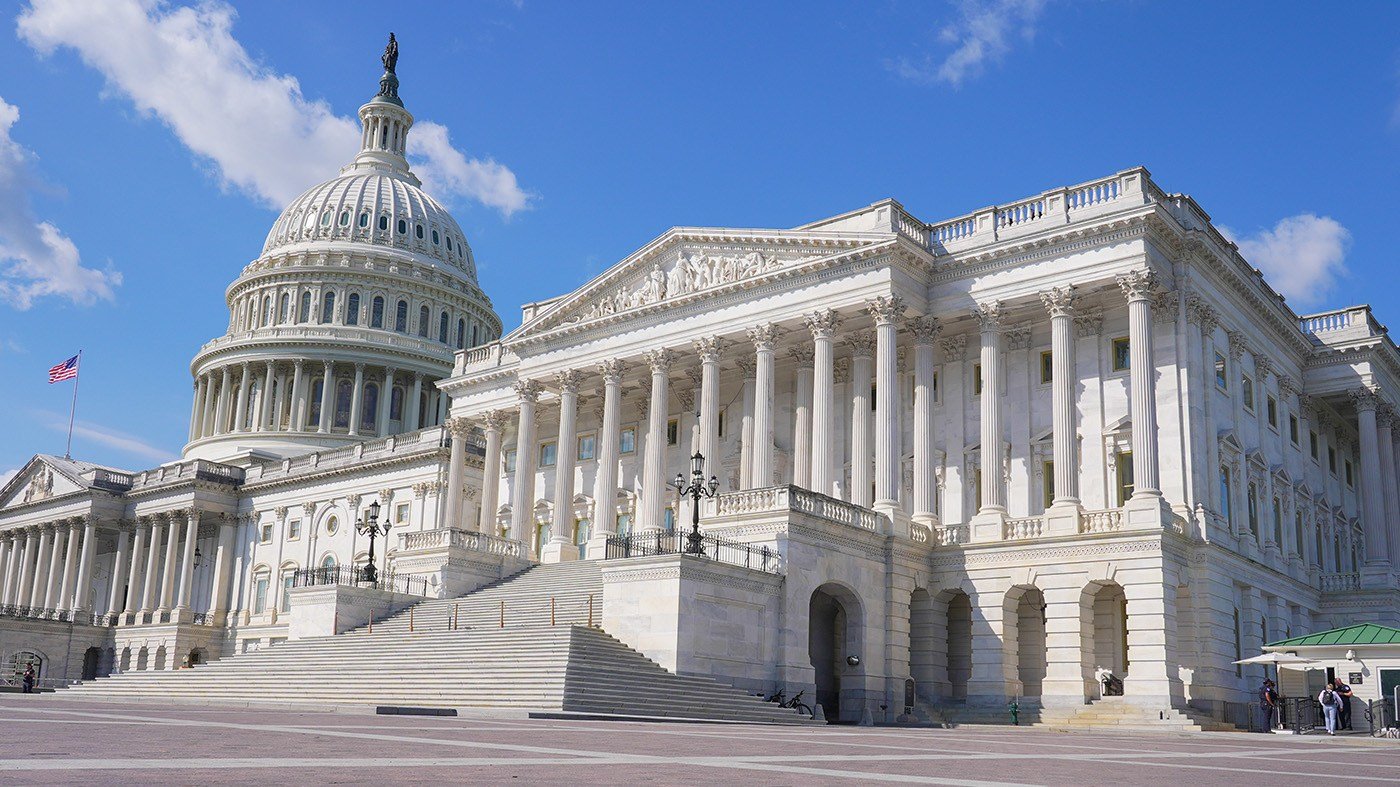
Separately on Capitol Hill, Representative Sheila Cherfilus-McCormick (D-Fla.) resigned Tuesday afternoon. Her departure came amid allegations of serious financial misconduct that likely would have led to a House expulsion vote later in the week. The vacancy creates immediate electoral uncertainty in her district.
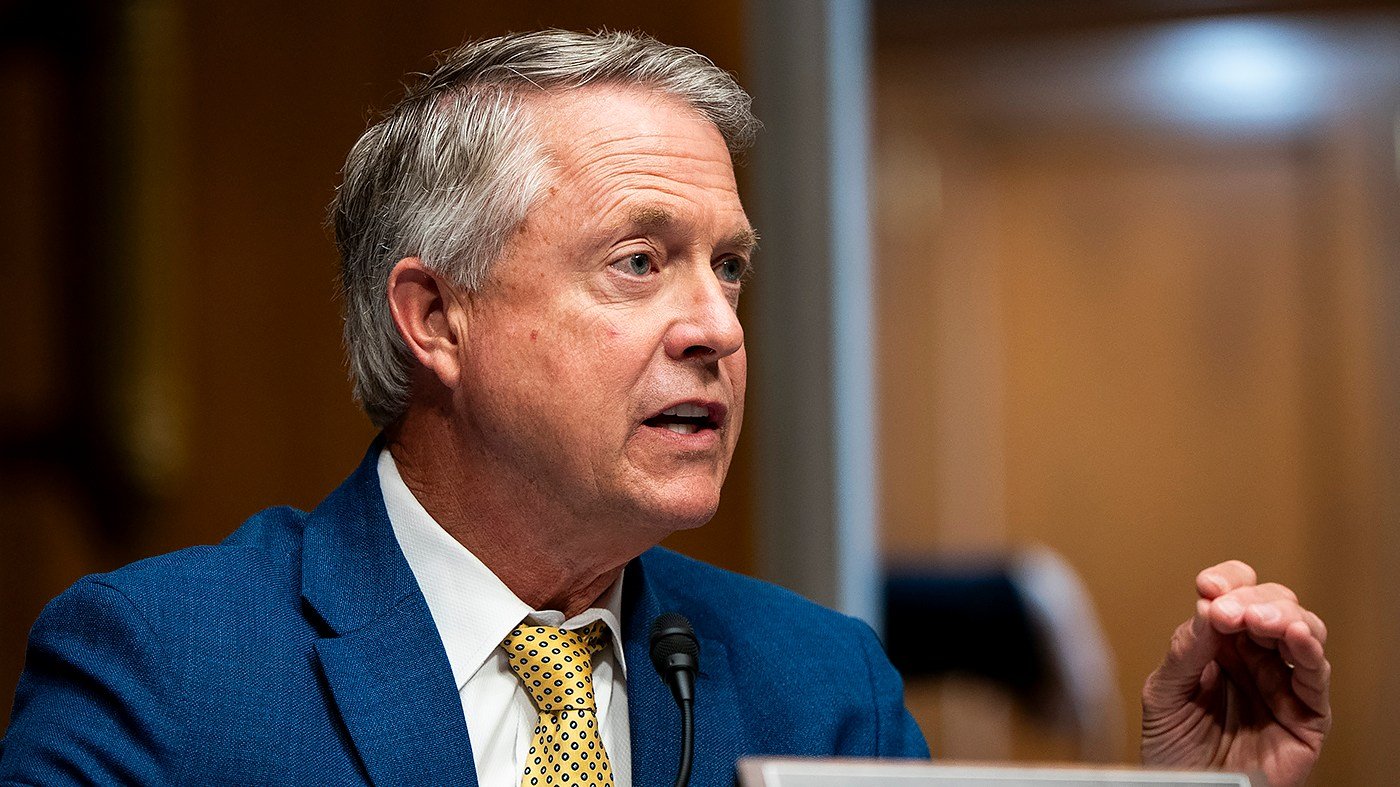
Meanwhile, the Senate Banking Committee conducted a contentious hearing for Kevin Warsh, President Trump's nominee to replace Jerome Powell as Chair of the Federal Reserve. Lawmakers grilled Warsh on his views regarding Fed independence and the appropriate monetary policy response to current economic conditions, reflecting broader concerns about political influence over the central bank. Details of that confrontation are available in our coverage of Warsh's defense of Fed autonomy.
Virginia's High-Stakes Redistricting Vote
In state-level politics, Virginia voters went to the polls Tuesday to decide on a congressional redistricting plan. The referendum represents the final opportunity for Democrats to alter the state's electoral maps before the upcoming midterm elections. The outcome could significantly impact the balance of power in the U.S. House of Representatives, with control of several seats hanging in the balance. The political stakes of this process are examined in our analysis of the Virginia redistricting referendum.
White House Schedule and Broader Context
President Trump's public schedule for the day included afternoon policy meetings and a celebration designated as NCAA Champions Day at the White House. The event links to the administration's broader engagement with collegiate sports policy.
The day's developments occur against a backdrop of heightened global tension and domestic political maneuvering. The Iran decision, in particular, carries substantial implications for energy markets and regional stability, given the strategic importance of the waterways involved. Critics, including some in Congress, have warned that the administration's posture risks creating major disruptions, as noted in recent accusations of creating an 'energy apocalypse' in the Strait of Hormuz.
Taken together, these events paint a picture of an administration and a political system in constant motion, with foreign policy reversals, domestic political scandals, and foundational economic appointments all unfolding simultaneously as the election cycle intensifies.