Senate Republicans delivered another decisive rejection of congressional efforts to curtail President Trump's military authority against Iran on Wednesday, defeating a war powers resolution for the fifth consecutive time. The measure, which sought to prohibit the continuation of offensive operations initiated in late February, failed to advance from the Senate Foreign Relations Committee on a 46-51 procedural vote.
The outcome highlighted the enduring partisan divide over the administration's Iran policy. Only one Republican, Senator Rand Paul of Kentucky, broke with his party to support advancing the resolution. Conversely, Democratic Senator John Fetterman of Pennsylvania was the sole member of his caucus to oppose it, underscoring the resolution's symbolic nature in a chamber where it lacks the votes to overcome either a filibuster or a presidential veto.

Debate Echoes Iraq War Comparisons
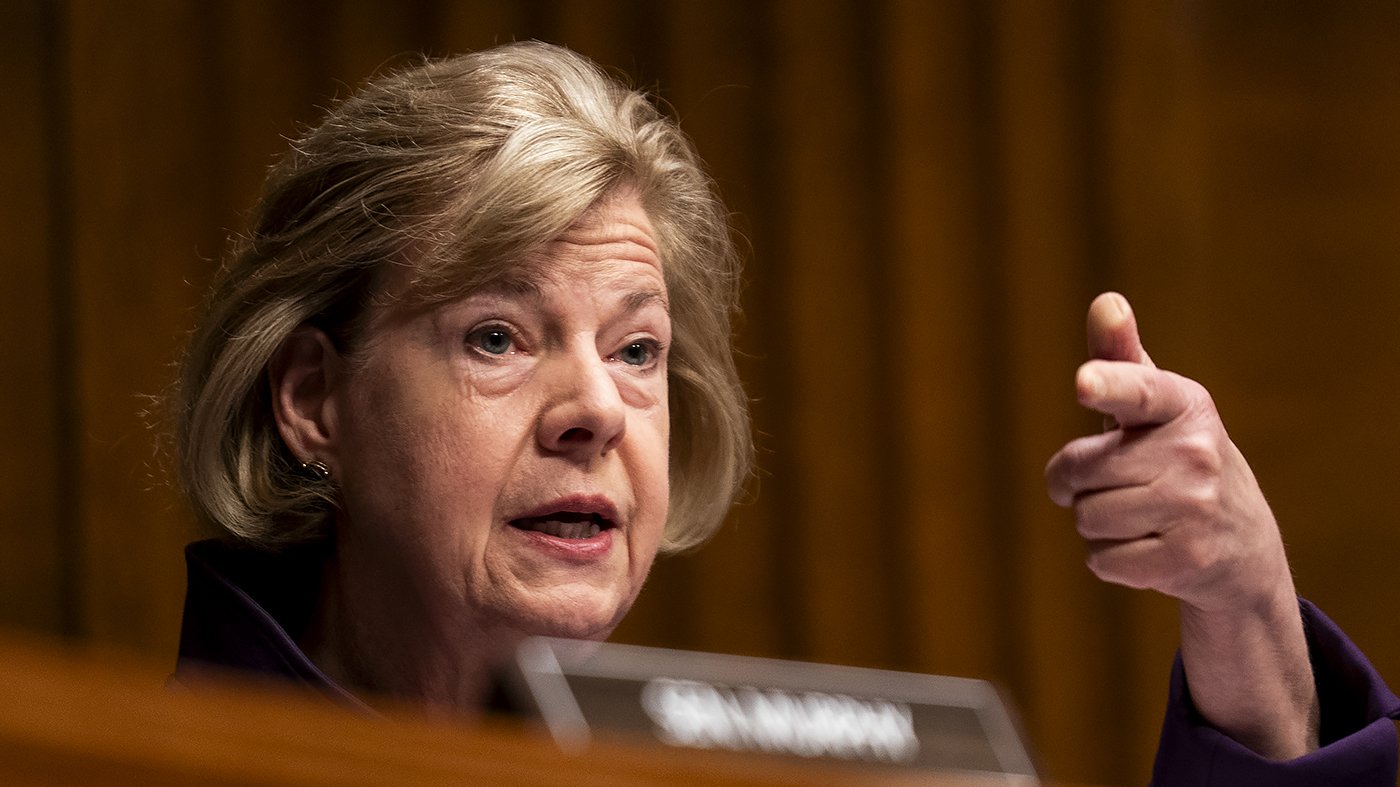
Sponsoring the resolution, Senator Tammy Baldwin (D-Wis.) delivered a pointed critique on the Senate floor, drawing direct parallels between the current conflict and the Iraq War. She argued that both engagements suffered from a lack of clear objectives and exit strategy. "In both wars, we had zero plans for the days to come and failed to outline our specific goals," Baldwin stated. "In both wars, we had zero strategy to get out. And in both wars, we had servicemembers dying overseas for a cause that Americans did not support."
Her argument referenced recent public sentiment, citing a Reuters/Ipsos poll showing only 36% of Americans approve of the military strikes against Iran. The administration's approach has also prompted increased burden-sharing from European allies within NATO as operations continue.
GOP Leadership Defends Executive Flexibility
Leading the opposition, Senate Armed Services Committee Chairman Roger Wicker (R-Miss.) dismissed the resolution as a redundant and dangerous constraint on the commander-in-chief. "We've been through these votes before. We've been through these votes recently and nothing has occurred... to materially change since the last time we voted on this matter," Wicker asserted. He contended that passing the measure would be "unwise" and "dangerous," arguing it "would tie the commander-in-chief's hands at a time when he needs maximum flexibility to eliminate the threat from Iran."
The vote occurred against a backdrop of stalled diplomacy. President Trump recently extended a ceasefire with Iran indefinitely, citing a fractured Iranian leadership needing more time to formulate a unified peace proposal. This diplomatic pause led Vice President Vance to postpone a scheduled trip to Islamabad for talks.
White House Press Secretary Karoline Leavitt emphasized Wednesday that no firm deadline exists for Iran's response, leaving military and economic pressure as the administration's primary tools. The legislative defeat for Democrats mirrors similar stalemates in the House, where Republican opposition has consistently blocked war powers measures. Any successful resolution would ultimately require a two-thirds majority in both chambers to override an expected presidential veto, a threshold far from reach.
The recurring votes underscore a fundamental congressional debate over war powers that has intensified during the Trump administration. While Democrats frame the issue as a necessary reassertion of congressional authority to prevent another open-ended conflict, Republicans maintain that operational decisions must remain with the executive branch. This dynamic extends beyond foreign policy, reflecting broader tensions, such as those seen in internal GOP disputes over member discipline and strategic battles over congressional redistricting that define the current political landscape.