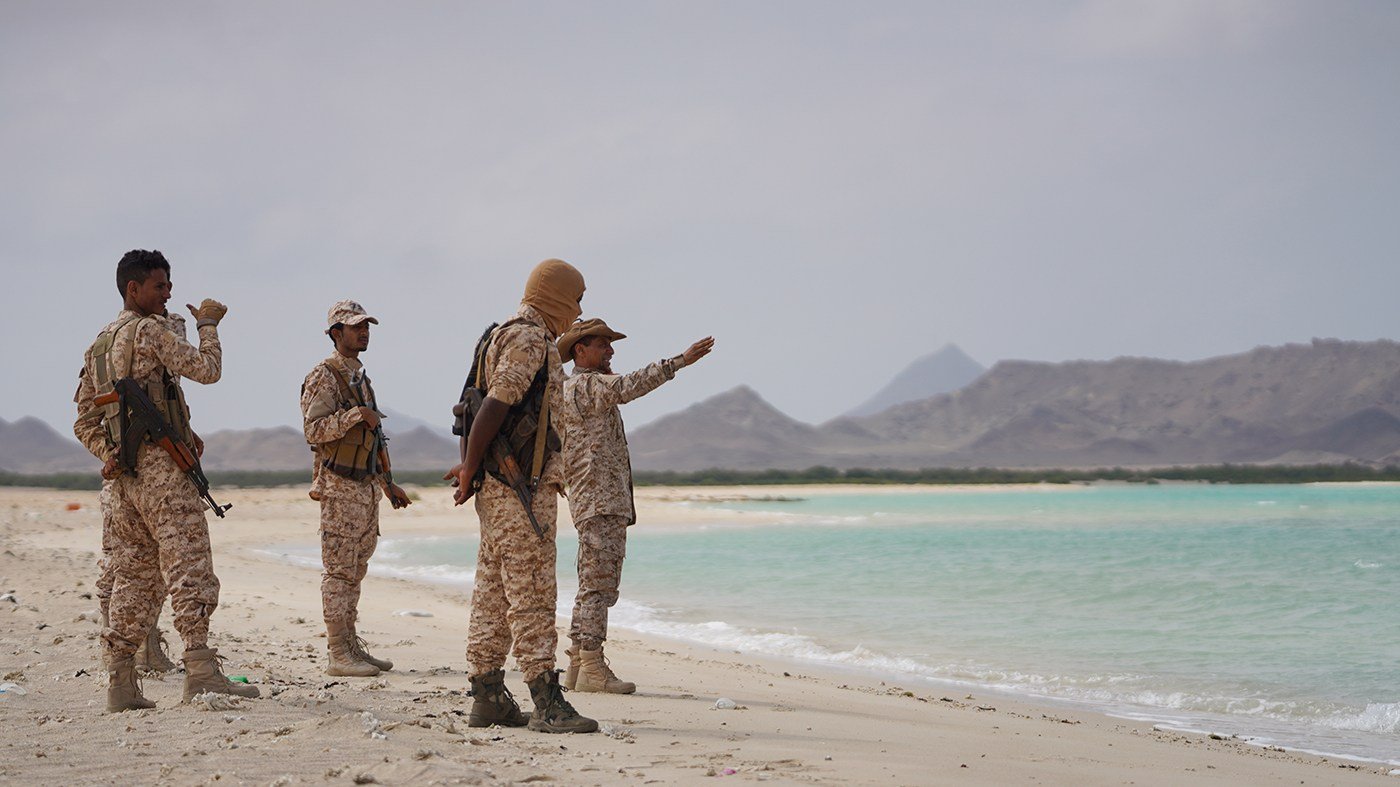
The U.S. military campaign against Iran has generated significant geopolitical and economic ripple effects, straining transatlantic relations with soaring energy costs and disrupted commerce through the Strait of Hormuz. Yet, beneath surface-level friction, European NATO partners are delivering indispensable military and strategic assistance to Washington, proving the alliance's resilience at a critical juncture.
Strategic Shifts and Burden-Sharing
Internal NATO disagreements over the Iran mission are inevitable among 32 sovereign nations, but they obscure a more consequential trend: European allies are decisively increasing their defense commitments. At last year's summit, multiple members pledged to raise military spending to 5% of GDP by 2035. If fulfilled, this would create a combined European defense budget vastly exceeding Russia's, enabling a more robust, self-sufficient deterrent posture on the continent with continued U.S. strategic backing.
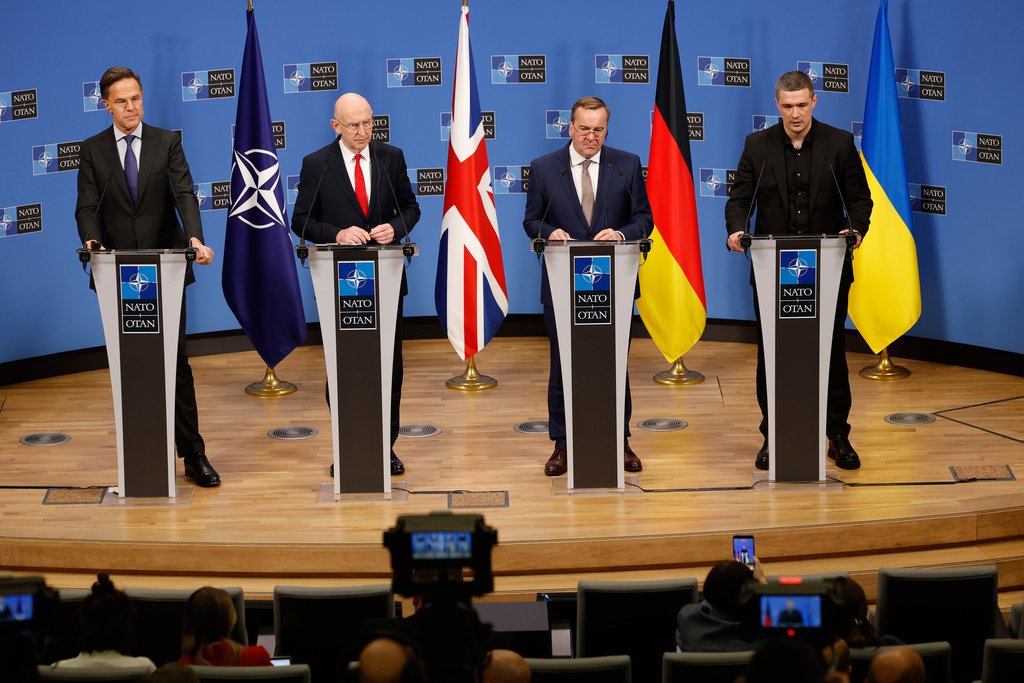
This shift is most visible in Europe's leading role sustaining Ukraine against Russian aggression. While American aid remains vital, European nations have dramatically scaled up financial, humanitarian, and military support. They are procuring U.S. weaponry for Kyiv and bolstering Ukraine's domestic defense production. This effort contains a direct adversary, preventing Vladimir Putin from turning his ambitions beyond Ukraine and challenging core Western interests globally.
Quiet Support for the Iran Campaign
Concurrently, European cooperation remains fundamental to U.S. military operations targeting Iran. As General Alexus Grynkewich noted, most allies have been "extremely supportive," providing critical enablers like airspace access, basing rights for mission staging, and port facilities for naval maintenance. This support persists despite the conflict's tangible costs to European economies and domestic political pressures within democratic governments. The assistance enhances U.S. force projection and reduces operational risks for American personnel, a fact often overshadowed by public disagreements.
This backing is pragmatic, given that Iran's ballistic missile programs and support for terrorist networks pose a direct threat to European security. The collaboration occurs even as the U.S. signals its readiness to escalate pressure, with actions like military options being kept open to secure the vital Hormuz waterway.
The Larger Strategic Calculus
The European assumption of greater responsibility is strategically timely. It allows the United States to concentrate its unparalleled military and diplomatic resources on the Indo-Pacific, where China's hegemonic ambitions—including dominance of the South China Sea and coercion of Taiwan—present the preeminent long-term challenge. A Europe capable of containing Russia independently is essential to freeing U.S. capacity to counter Beijing.
This dynamic is not without precedent. U.S. forces, while engaged in the Middle East, have also interdicted narcotics shipments bound for both American and European shores in the Caribbean and Eastern Pacific. The global threat landscape demands allied division of labor.
An Alliance Under Strain But Indispensable
Frictions within NATO are inherent as national interests diverge. However, dismissing the alliance overlooks its current utility. Shared interests—from countering Iranian aggression and Russian revanchism to ensuring global commons remain open—bind the transatlantic partnership. At a moment when U.S. budgetary constraints and debates over military readiness policies strain Washington's ability to sustain multiple fronts alone, capable allies are not a luxury but a strategic necessity.
The partnership faces continuous tests, from managing the fallout of the Iran campaign to navigating diplomatic developments like high-stakes nuclear negotiations with Tehran. Yet, the demonstrated willingness of European capitals to shoulder more defense burdens, both in their immediate neighborhood and in supporting U.S. actions further afield, underscores a strong, evolving alliance. For an America facing a multi-theater era of competition, these partners are needed now more than ever.