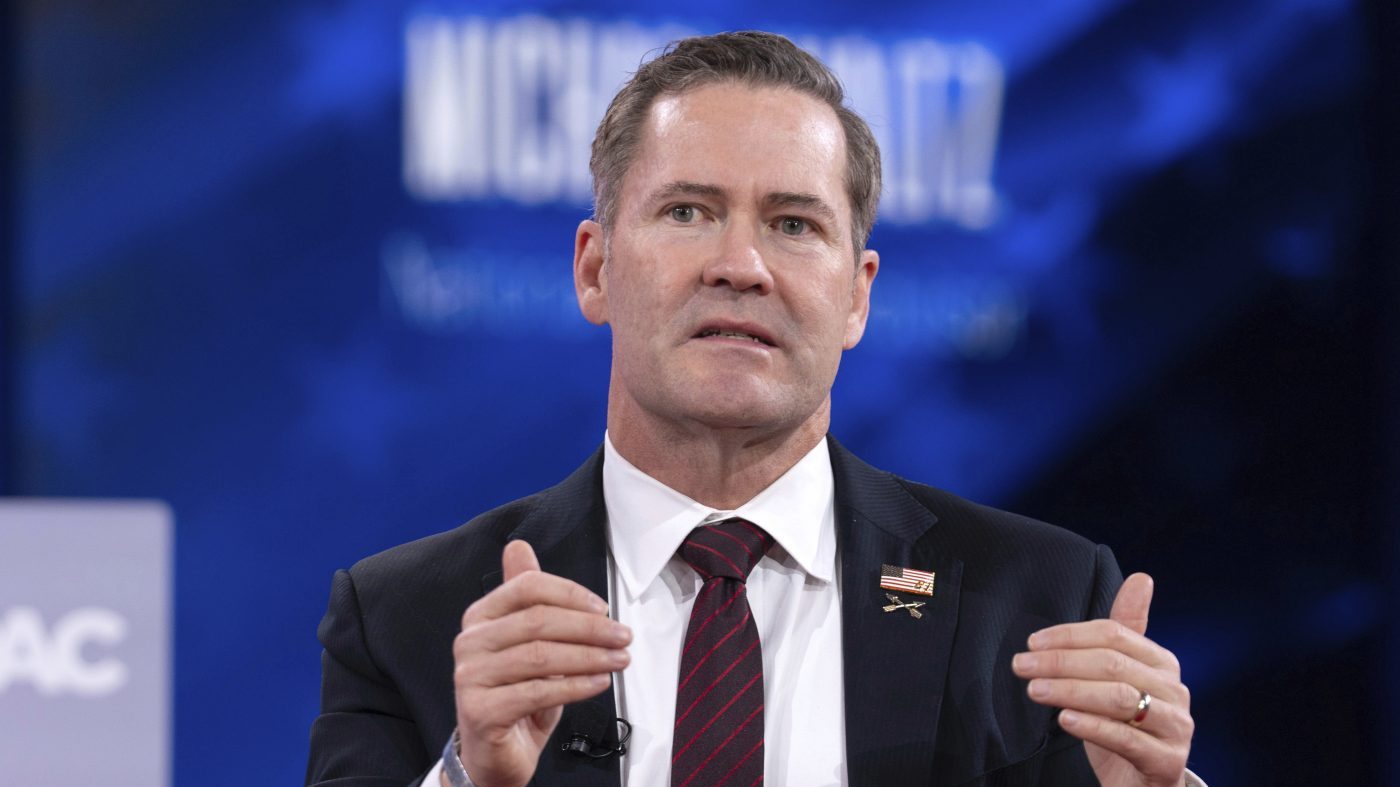
U.S. Ambassador to the United Nations Mike Waltz stated on Sunday that the United States is prepared to consider all available measures to counter Iran's dominance over the Strait of Hormuz and to prevent Tehran from reaping economic rewards from the vital waterway. The remarks underscore the administration's hardening stance as diplomatic efforts remain stalled.
Military Action Not Ruled Out
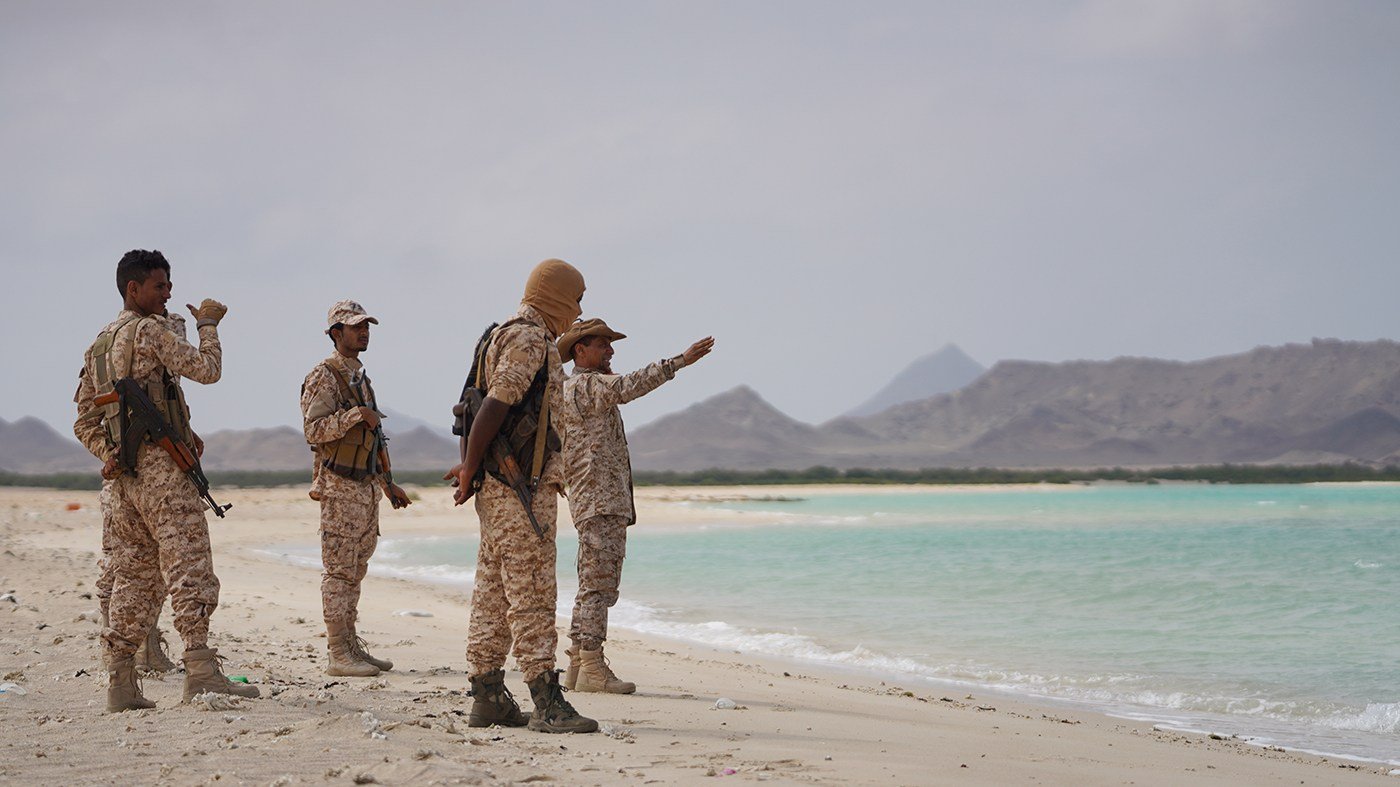
When pressed during an interview on CBS's 'Face the Nation' about whether American forces might board vessels bound for China, Waltz declined to discuss operational specifics but reiterated the administration's readiness. "All options are on the table. The president's prepared to escalate to de-escalate," he said, echoing a phrase that signals a willingness to increase military pressure to force a diplomatic resolution. This posture aligns with recent reported U.S. military preparations to intercept and seize Iran-linked ships in the region.
Waltz emphasized President Trump's commitment to ensuring "nothing that benefits Iran is coming out of the straits." He pointed to the newly announced 'Operation Economic Fury,' a campaign where the U.S. is ready to impose secondary sanctions on financial institutions that process transactions for illicit Iranian oil exports, aiming to strangle Tehran's primary revenue source.
Global Stakes and Condemnation
The strategic chokepoint, through which approximately one-fifth of global oil supplies flow, has been a focal point of international tension. Waltz argued that Iran's actions are illegitimate. "The entire world is united that a country cannot hold an international waterway hostage because it has a conflict with another country," he told host Margaret Brennan. "Iran is absolutely in the wrong here from a legal, diplomatic and economic standpoint."
He criticized Russia and China for backing Iran but claimed broader international alignment with the U.S. objective of reopening the strait. However, Chinese President Xi Jinping recently voiced opposition to the U.S. blockade, cautioning against selective application of international law. Asian nations have expressed alarm over spiking energy prices caused by the disruption, given their heavy reliance on Middle Eastern crude.
The ambassador's comments follow a weekend where President Trump noted the U.S. Navy had attacked and taken custody of an Iranian-flagged cargo vessel, a significant escalation in maritime enforcement. Waltz framed the multi-pronged pressure campaign as essential. "We are truly putting maximum pressure on every aspect of the Iranian economy," he said, predicting Tehran would eventually abandon its "nuclear obsession" under the strain.
This confrontational rhetoric is consistent with Waltz's previous defenses of the administration's hardline tactics, including past statements justifying threats against Iranian civilian infrastructure as legitimate pressure tools.
President Trump indicated that talks would resume in Islamabad on Monday evening, though the prospects for a breakthrough appear dim. The administration's strategy combines forceful naval posturing, like the recent enforcement actions that redirected vessels from Iranian ports, with aggressive financial sanctions, aiming to compel Iranian capitulation on multiple fronts.