Committee Format Shift Sparks Accusations of Political Protection
Democratic members of the House Oversight Committee are leveling serious accusations against their Republican counterparts, alleging a strategic retreat from formal committee hearings is designed to obstruct the investigation into Jeffrey Epstein's network and shield former Florida Attorney General Pam Bondi from congressional scrutiny. The conflict centers on the committee's recent shift to holding informal roundtable discussions instead of official hearings, a move Democrats say strips the panel of its power to issue subpoenas or hold witnesses in contempt.
The controversy erupted after a bipartisan effort, led by Republican Rep. Nancy Mace of South Carolina, successfully moved to subpoena Bondi earlier this year. The motion gained support from all committee Democrats and four Republicans. However, after Bondi failed to appear for a scheduled deposition on April 14, Democrats say the Republican majority has since refused to convene any full committee hearings where a motion to hold her in contempt could be formally considered.
Allegations of White House Interference
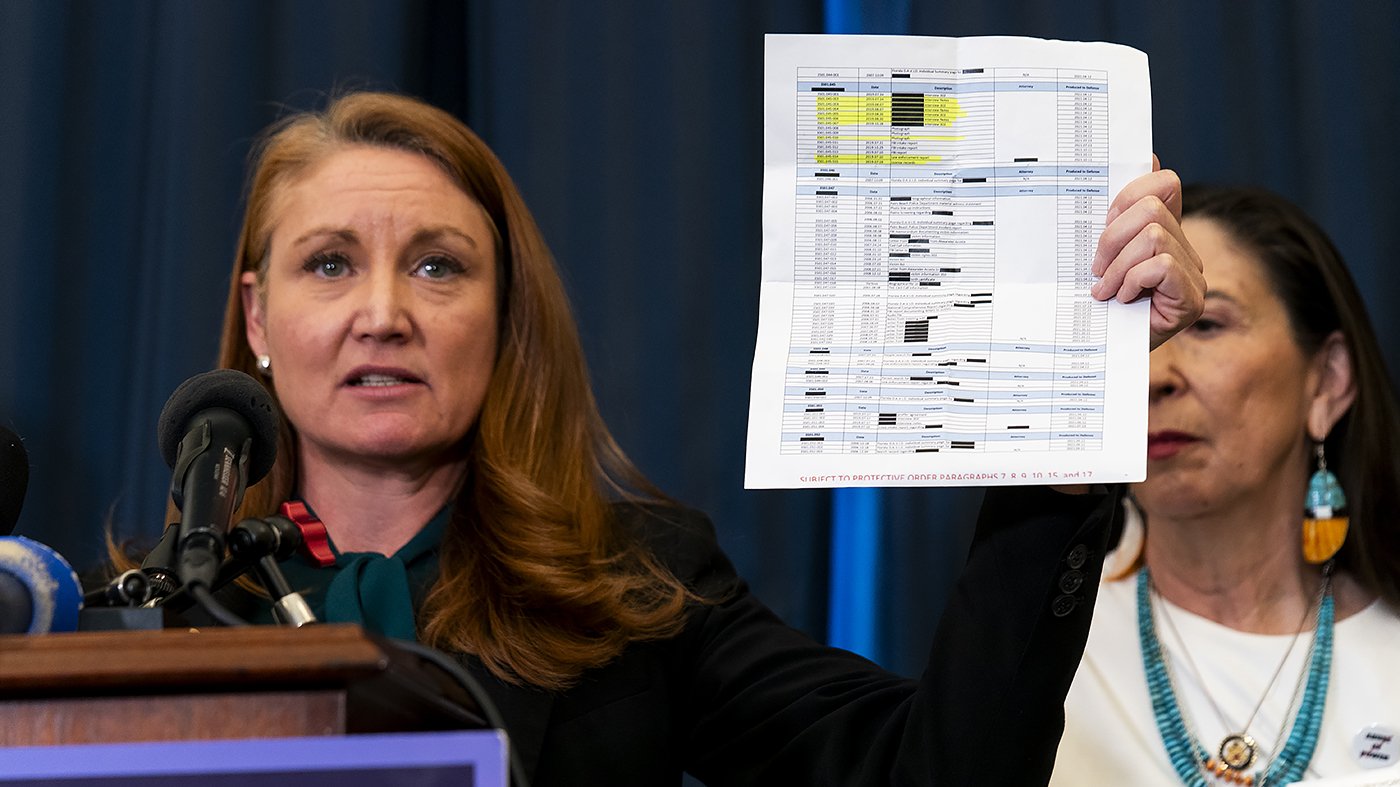
Several Democrats have pointedly suggested the directive to avoid hearings originated from the Trump administration. "It's our understanding that the Republicans have told members that the reason why they're not holding hearings is because their own members 'can't stay focused,'" said Rep. Melanie Stansbury, a New Mexico Democrat. "Meaning that they might make motions to or vote in favor of motions for contempt, and that the administration asked them directly to stop doing it."
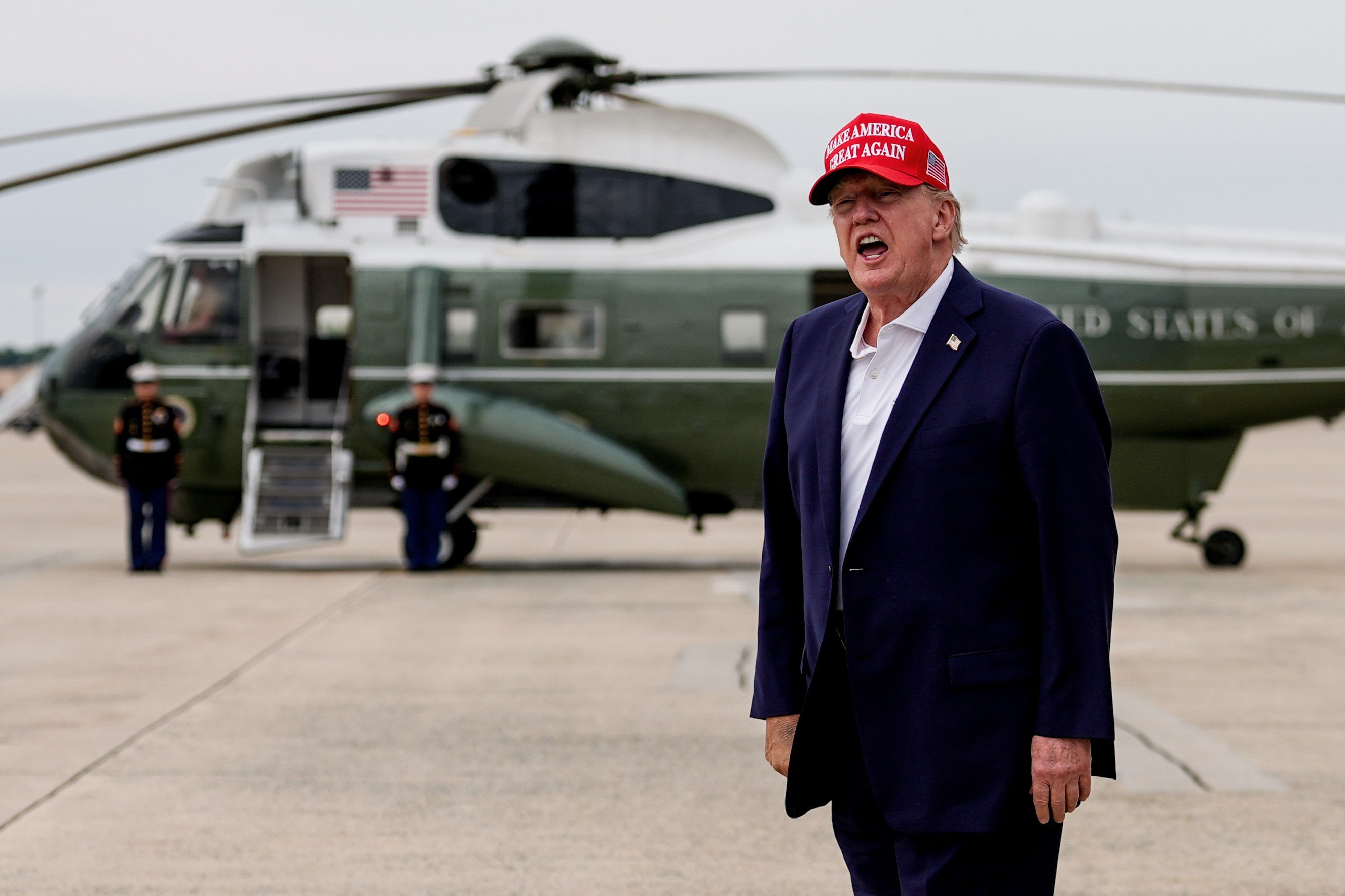
Rep. Suhas Subramanyam, a Virginia Democrat, echoed the charge. "My theory is that they heard from the administration and have decided to do no oversight over the administration because they're trying to please Donald Trump," he stated, adding he strongly believes "the administration and Oversight Committee leadership is working in concert."
The committee's unusual dynamics were highlighted by Rep. Lauren Boebert, a Colorado Republican who has sided with Democrats on the Bondi issue. Expressing frustration with the roundtable format, Boebert told reporters, "I hate it," suggesting the restriction came from "higher up." She defended Committee Chairman James Comer, however, stating, "I know that Comer wants information released. He is honestly the best chairman I've ever had."
Republican Defense and Democratic Fury
Chairman Comer, a Kentucky Republican, flatly denied any coordination with the White House. "I haven't talked to Trump in seven or eight months," he said, also confirming no such request had come from White House staff. He dismissed Democratic complaints, arguing, "I think it shows the Democrats don't care about anything substantive. They just want to show their rear ends and make motions and do all that."
A committee spokeswoman defended the use of roundtables, stating they "provide opportunities to have more substantive and direct conversations with ordinary Americans" on issues like crimes against children and AI deployment. She noted the committee has conducted 15 transcribed interviews this year and plans a markup on anti-fraud legislation next week.
Democrats remain unconvinced. Rep. Ro Khanna of California, who sponsored the bill that forced the public disclosure of Epstein files, called the situation "outrageous." "They've canceled hearings to avoid a subpoena of Pam Bondi, or to avoid Pam Bondi being held in contempt," Khanna said. "In my 10 years in Congress, I've never seen anything like that, where they've canceled hearings to protect one individual."
The stalemate leaves Democrats with few options. Ranking Member Robert Garcia of California may attempt to force a contempt vote on the House floor, a maneuver that would require significant Republican support to succeed. This internal GOP rift over oversight comes as the party faces other contentious issues, including Democratic efforts to target former Trump administration officials and ongoing legal battles over redistricting that could alter the House's balance of power.
The committee has held zero full formal hearings since Bondi's missed deposition, though one subcommittee has met. The standoff underscores the deep partisan divisions shaping congressional oversight, particularly concerning investigations that touch the previous administration, and raises questions about the committee's ability to function as an independent check on executive power.