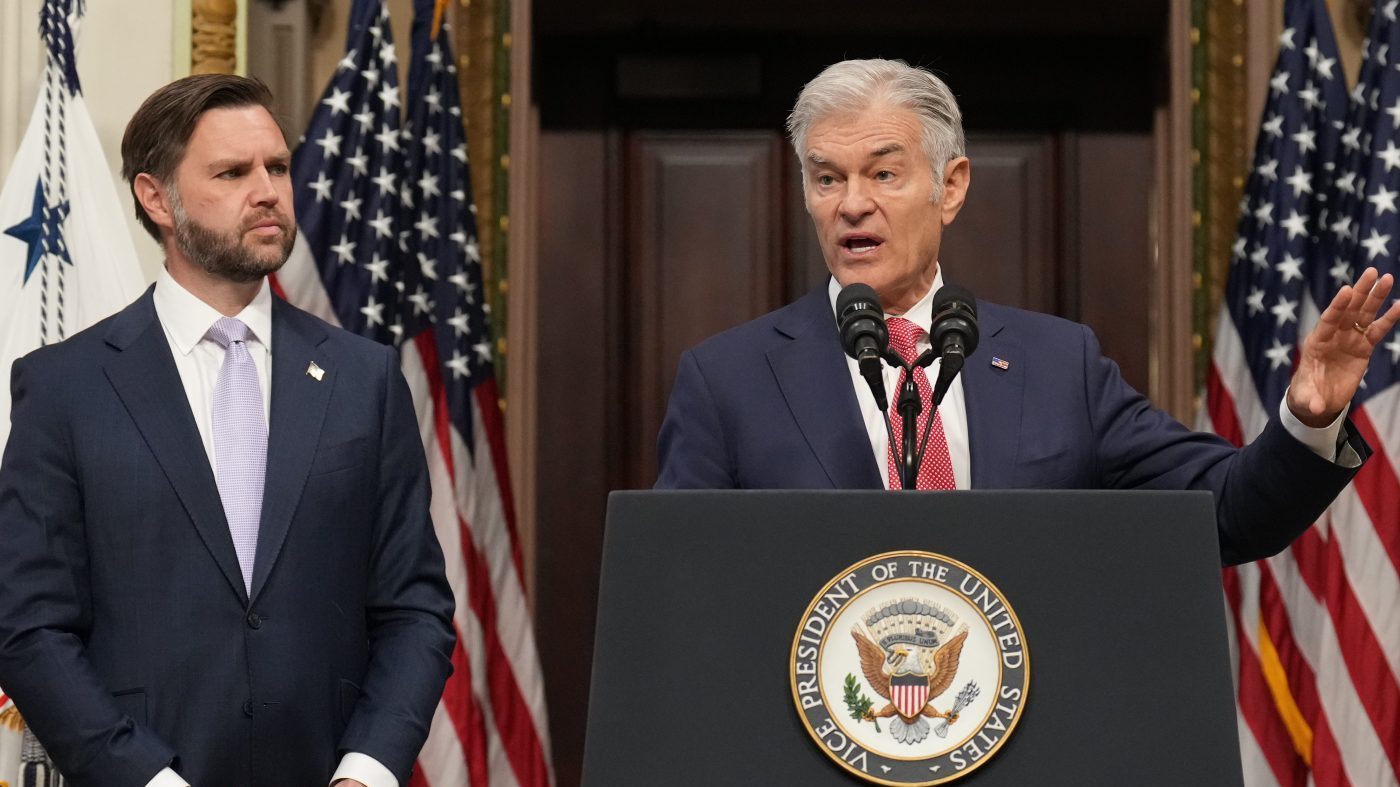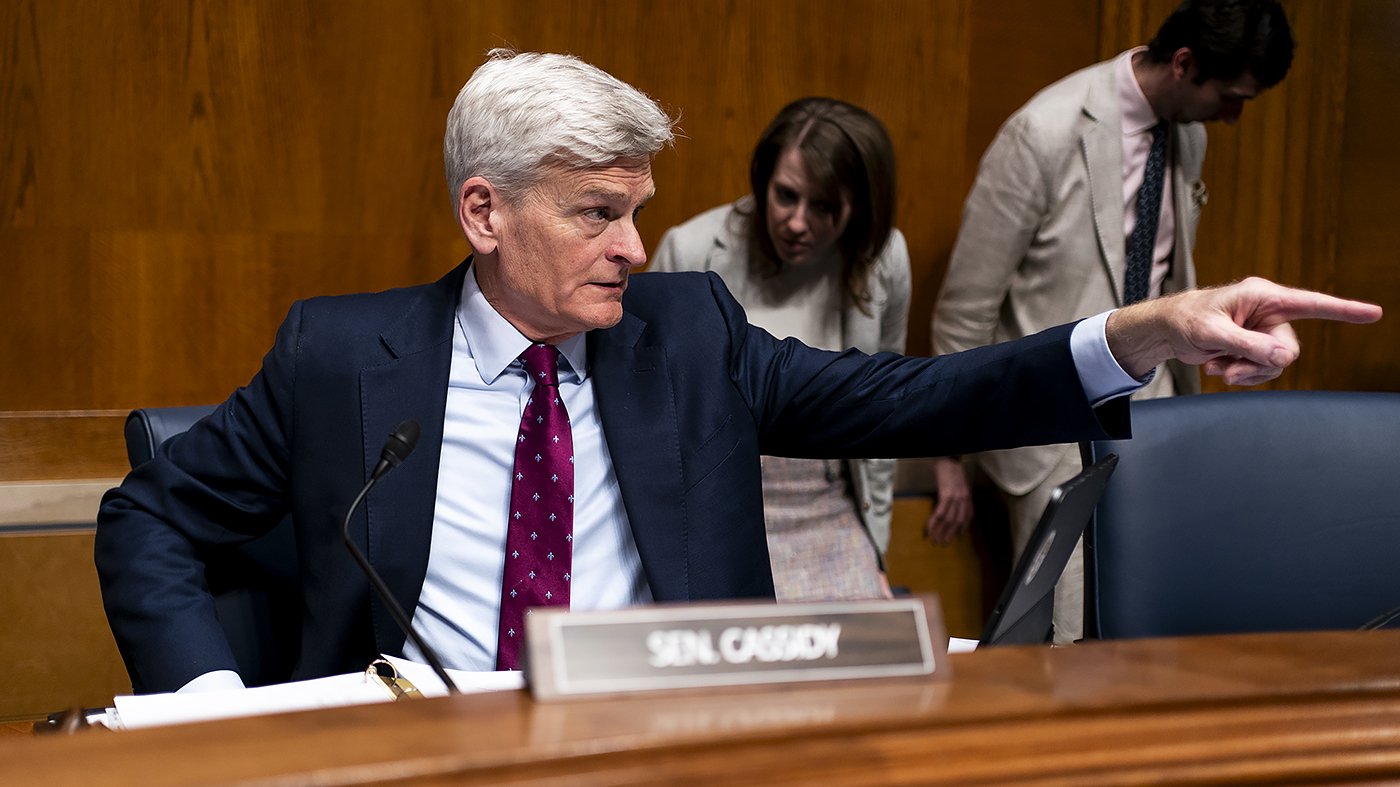
Senator Bill Cassidy (R-LA), a physician, directly challenged Health and Human Services Secretary Robert F. Kennedy Jr. during a Senate Health, Education, Labor, and Pensions (HELP) Committee hearing Wednesday, repeatedly fact-checking the secretary's assertions that vaccines have not been instrumental in reducing mortality from infectious diseases.
Kennedy, who has long been a controversial figure on vaccine policy, testified before the committee and cited two academic studies to support his position. He argued that mortality from common infectious diseases plummeted during the 20th century long before widespread vaccination campaigns, suggesting other factors like improved sanitation were primarily responsible.

Context and Omission
One study Kennedy referenced was a 2000 paper published in Pediatrics. Cassidy, having looked up the paper during the hearing, interrupted to state that Kennedy had omitted crucial context. The senator read the subsequent sentence from the study, which stated that "the reductions in vaccine-preventable diseases, however, are impressive." Cassidy emphasized that once vaccines were widely introduced in the mid-1900s, they were critical in eliminating deaths from diseases like measles and diphtheria. "So that's the full context," Cassidy concluded.
This confrontation is part of a broader pattern of tension between Kennedy and lawmakers, as seen in a previous session where the secretary faced intense scrutiny over his department's budget and vaccine stance.
Dispute Over Measles Data
Kennedy also cited a 1977 paper on measles, which he claimed is standard medical school reading. Later in the hearing, Cassidy again interjected, having examined the second article. He noted the paper relied on statistics from before the measles vaccine's introduction. While U.S. measles deaths began declining after 1900, Cassidy pointed out that case levels remained very high right up until the national measles vaccination program began in the 1960s.
Throughout the testimony, Kennedy expressed frustration that Democrats were focusing on recent measles outbreaks, arguing the disease now kills very few people. Cassidy countered this perspective in remarks to reporters after the hearing, stating that any death from a vaccine-preventable disease, especially among children, deserves attention. "We are a first-world country, and speaking as a physician that knows this can be prevented, it grieves me," Cassidy said.
The hearing highlighted the ongoing political and scientific debate over public health priorities. Kennedy's approach to vaccine rhetoric has drawn consistent criticism, and he has previously denied facing White House pressure to moderate his statements.
The exchange also underscores broader policy fights within the health committee's jurisdiction, including preventive care. Kennedy has moved to overhaul a key advisory panel that mandates coverage for free preventive services, a decision with significant implications for healthcare access.
Cassidy's detailed, point-by-point rebuttal reflects a deepening ideological clash over the evidence base for public health interventions, a debate that extends beyond vaccines to other areas like environmental health, where a recent report found 152 million Americans face unhealthy air quality.