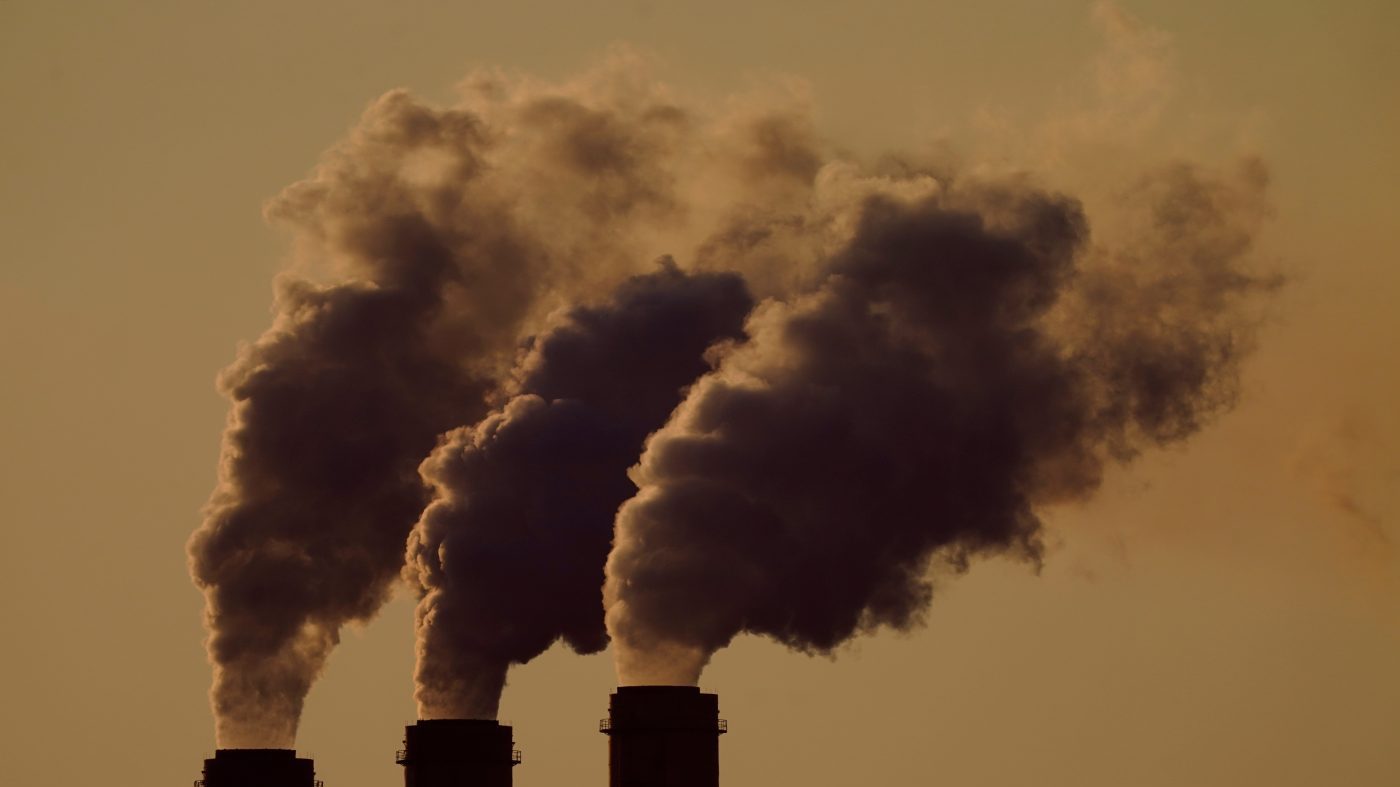
The American Lung Association's annual assessment of national air quality reveals a stark public health reality: approximately 152 million people, representing 44 percent of the U.S. population, reside in areas with unhealthy levels of ozone or particulate pollution. Released to coincide with Earth Day observations, the "State of the Air" report presents a mixed national picture, noting some regional progress against particle pollution but a concerning backslide in ozone contamination that affects nearly four million more people than last year's analysis.
Geographic Disparities in Air Quality
The report, which utilizes Environmental Protection Agency monitoring data, identifies dramatic geographic divides. Bangor, Maine, stands as the sole metropolitan area nationwide to meet all three benchmarks for clean air regarding ozone, short-term particle pollution, and year-round particle levels. The ALA characterized this isolation as a "grim indication of the deterioration of air quality nationwide," suggesting clean air is becoming an exceptional circumstance rather than a standard.
In stark contrast, Bakersfield, California, retains its notorious position as one of the country's most polluted cities, ranking worst for year-round particle pollution and near the top for both harmful ozone and short-term particle spikes. It is joined by several other California metropolitan areas—including Los Angeles, Visalia, and Fresno—that appear high on multiple worst-air lists. Major population centers outside California, such as Phoenix, Dallas, Houston, New York City, and Denver, also report significant air quality failures.
Disproportionate Impact on Communities of Color
The analysis uncovers severe environmental justice disparities. While people of color constitute 42.1% of the overall U.S. population, they represent 54.2% of those living in a county receiving at least one failing air quality grade. A person of color is more than twice as likely as a white person to live in an area with poor air pollution metrics. The disparity is even more pronounced for Latino individuals, who are over three times as likely to reside in a heavily polluted zone.
"This year's report shows that air pollution results were mixed across the country and across pollutants, highlighting the complex nature of air pollution and the need for regional, state and local attention on pollution sources," the ALA stated in its key findings. The organization emphasized that communities of color face not only greater exposure but also higher rates of underlying chronic health conditions, making them more vulnerable to the effects of polluted air. This environmental burden compounds other systemic challenges, such as the growing dependence on family wealth for homeownership that can limit mobility away from polluted areas.
Policy Implications and Public Health Context
The report lands amid ongoing policy debates at federal and state levels regarding environmental regulation, energy production, and transportation standards—all key drivers of air quality. The worsening ozone trend suggests current regulatory frameworks may be insufficient, even as some progress is made on particulate matter. The findings present a clear public health challenge that intersects with economic and social policy, much like other issues shaping American life, from rising consumer dependence on short-term credit to shifting demographic trends in religious affiliation.
The ALA's data provides a critical, non-partisan metric for evaluating the real-world outcomes of environmental governance. As the organization notes, effective solutions require targeted approaches that address specific pollution sources region by region. The report serves as both a warning and a call for coordinated action to protect a fundamental determinant of health for nearly half the nation's residents.