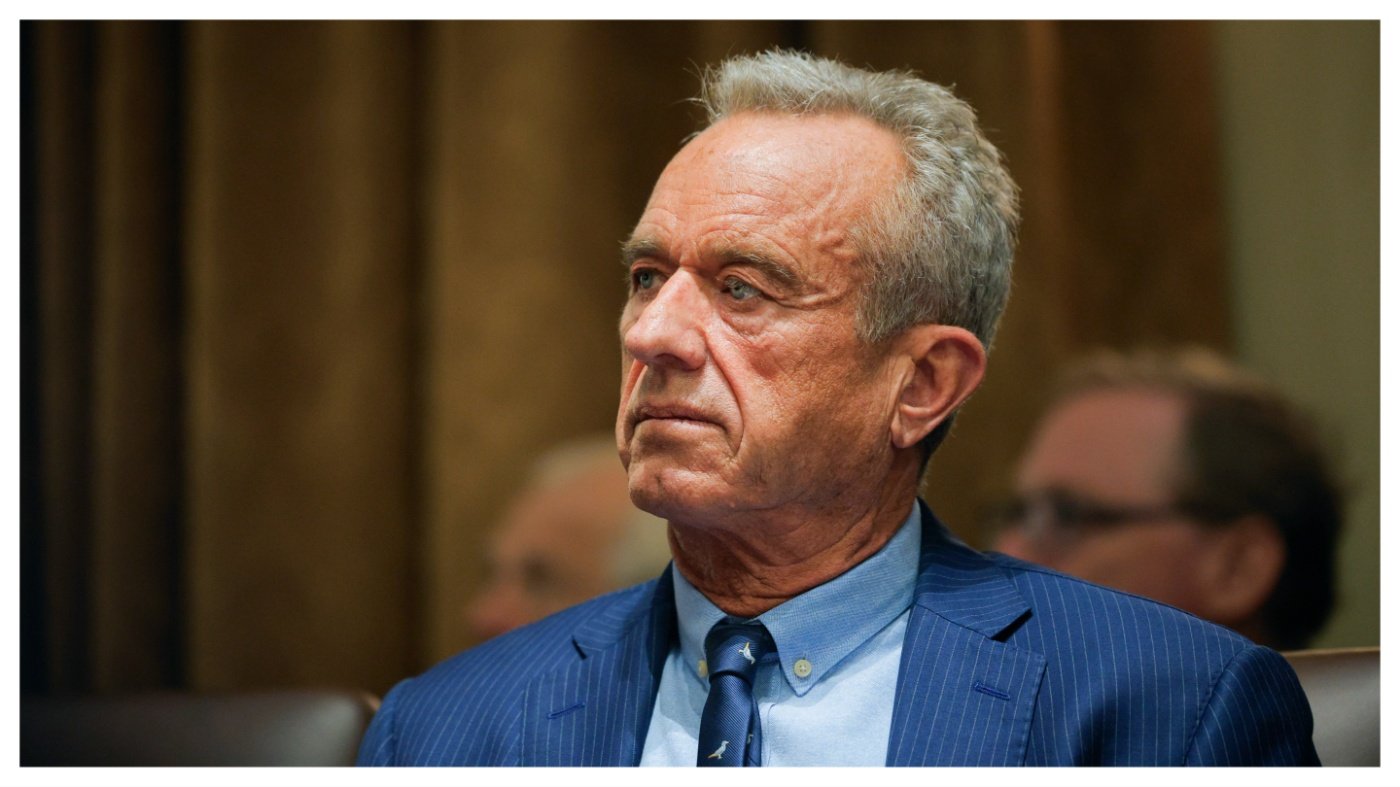
Health and Human Services Secretary Robert F. Kennedy Jr. has initiated a formal process to reshape a powerful but obscure federal health panel, signaling a major shift in how preventive care guidelines are set for the nation. The Department of Health and Human Services issued a call for nominations to the U.S. Preventive Services Task Force (USPSTF) this week, though it did not specify how many of the 16 volunteer positions would be filled.
A Panel Under Fire
The move follows Kennedy's recent testimony before the House Ways and Means Committee, where he sharply criticized the panel's performance. "We're now bringing new members on who have a clear mission," Kennedy stated, adding that the task force had been "lackadaisical and negligent for 20 years." This criticism marks a significant departure from the panel's traditional insulation from political pressure.

The USPSTF is composed of independent medical experts who review scientific evidence to issue recommendations on services ranging from cancer screenings to HIV prevention medications. Under the Affordable Care Act, private health insurers are required to fully cover any preventive service the task force recommends with an 'A' or 'B' grade, making its decisions financially consequential for both the healthcare industry and patients.
Operational Standstill and Legal Precedent
Kennedy's administration has already exerted control over the panel's operations. He has indefinitely postponed its last three scheduled meetings, and the body has not convened since March of last year. Furthermore, he has not appointed replacements for members whose terms expired in December, leaving the panel in a state of limbo even as he promises more frequent and transparent meetings in the future.
Public health advocates have expressed alarm for months, fearing Kennedy would dismiss the entire panel and install members aligned with his ideological views, a tactic he previously employed with a Centers for Disease Control and Prevention vaccine advisory committee. A federal judge ruled in March that those appointments were made improperly and were invalid. However, a Supreme Court decision last June established a powerful precedent, affirming that the HHS Secretary holds broad authority to hire and fire panelists at will and can delay or veto their recommendations—powers no previous administration has exercised.
That landmark Supreme Court case, which centered on a recommendation for HIV-prevention drug coverage, effectively solidified the executive branch's control over such advisory bodies. This legal backdrop grants Kennedy considerable latitude as he moves forward with his overhaul plans, which HHS anticipates will see new members begin their terms in July 2026.
Broader Political Context
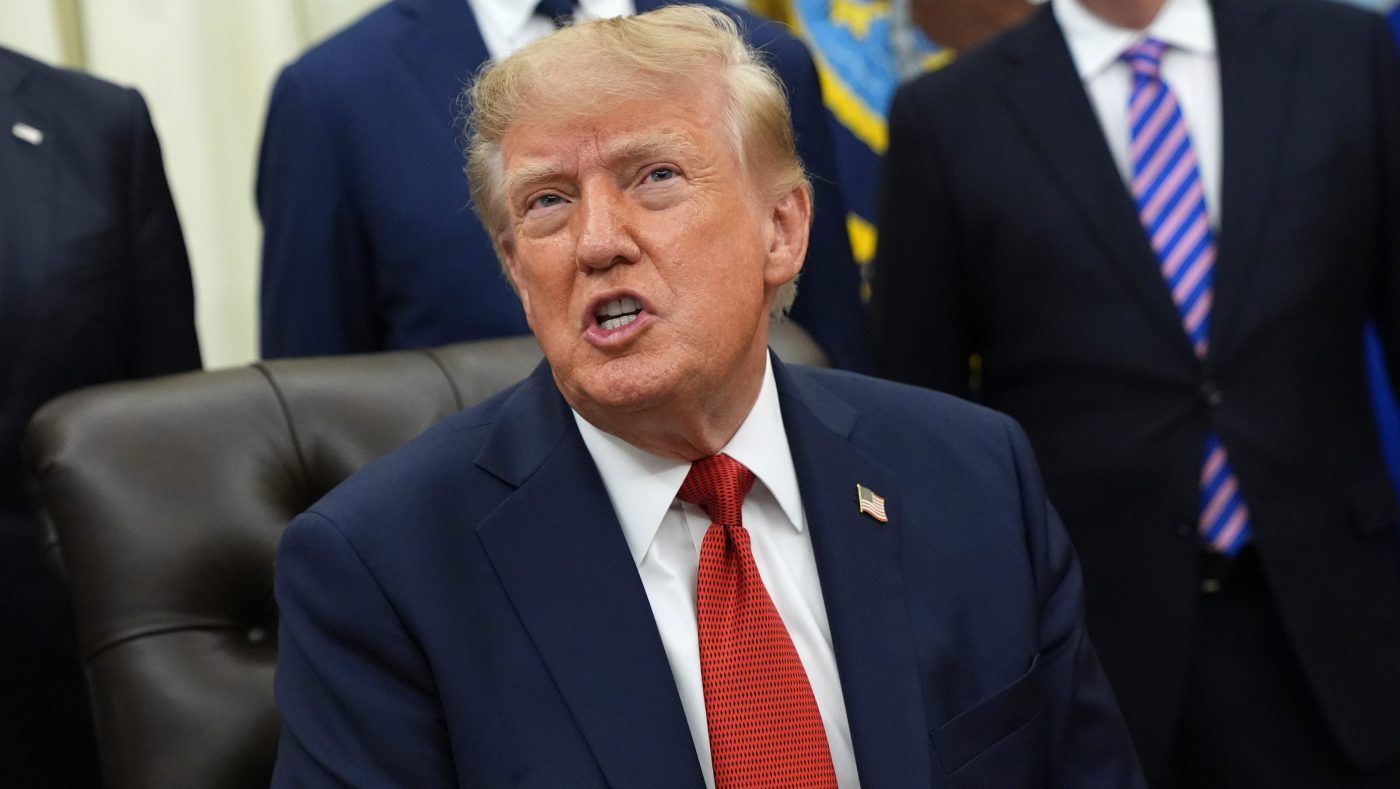
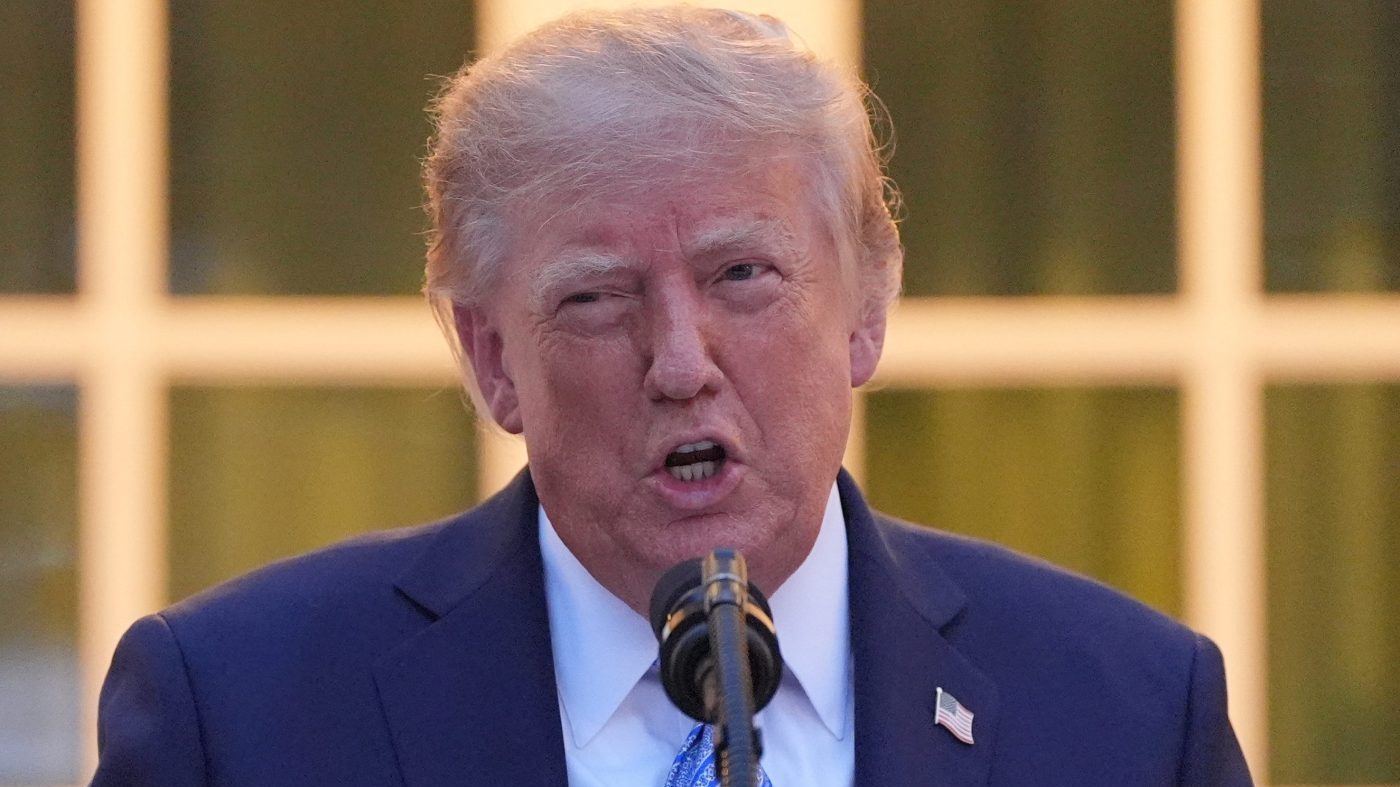
This effort is part of a wider pattern of administrative actions reshaping federal health policy. Kennedy has been a frequent defender of the Trump administration's health agenda during multiple congressional hearings. The restructuring of the USPSTF also intersects with other contentious health policy debates, including concerns that broader fraud enforcement efforts could inadvertently impact vital disability services.
The potential ideological reshaping of the task force raises profound questions about the future of evidence-based preventive care in the United States. With the panel's recommendations directly dictating insurance coverage for millions of Americans, Kennedy's push to install new members with a "clear mission" represents a pivotal moment for healthcare policy, one that could redefine preventive care standards for years to come.